
Shama Between Law and Reality: A Living Model for Ethiopia in Refugee Integration
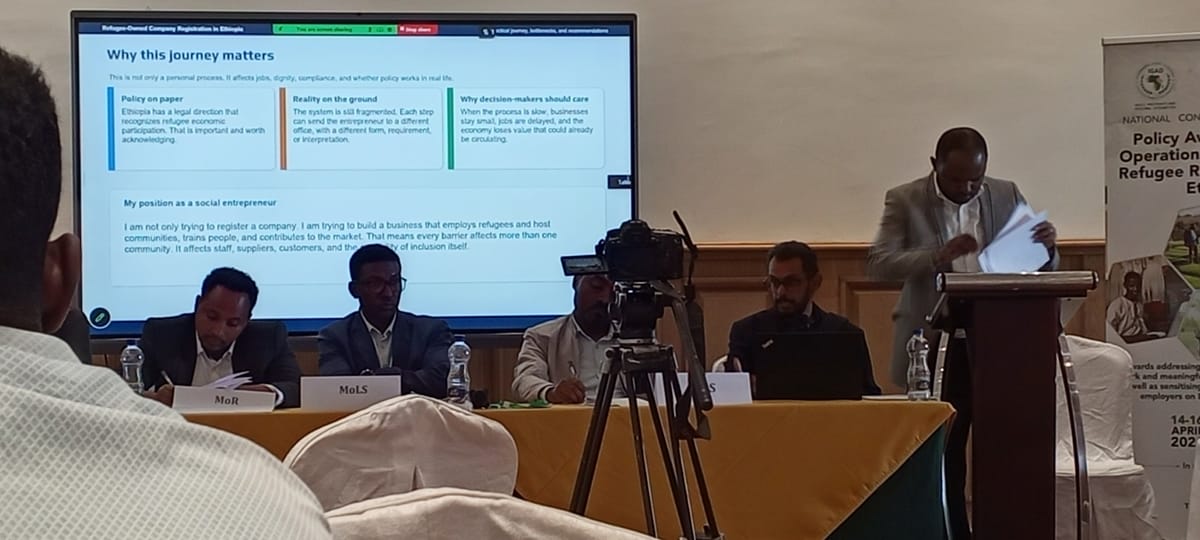
In April 2026, representatives from the Ethiopian government, international partners such as the World Bank and IGAD, and the private sector gathered in Bishoftu to discuss the implementation of refugees’ right to work.
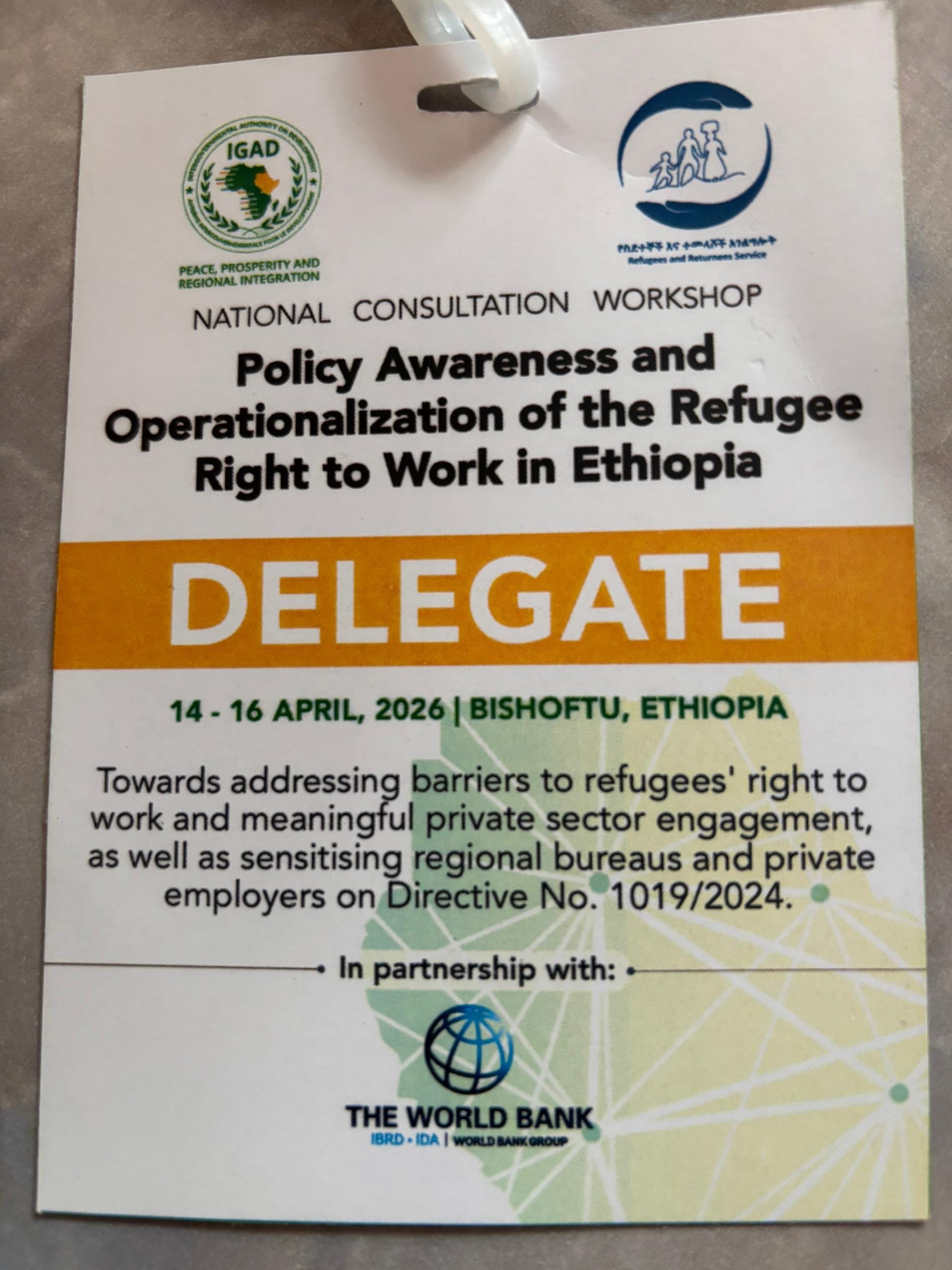
Among all these institutions and officials, Shama Company stood out as the only participant led by a refugee the first of its kind in Ethiopia. Its presence transformed theoretical discussions into a tangible reality, adding an irreplaceable human and cultural dimension to the national workshop.
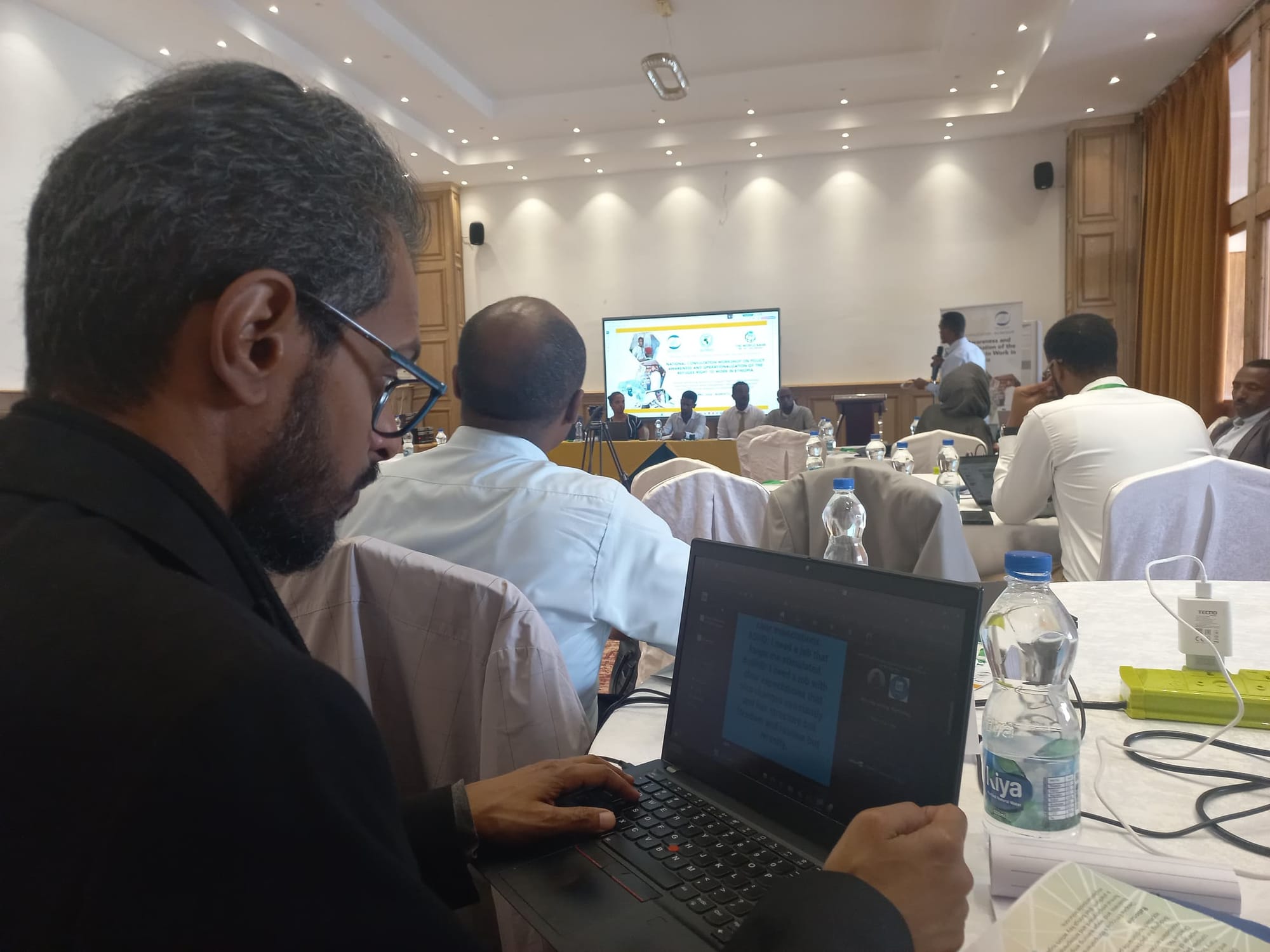
Shama’s journey was not simply a story of entrepreneurship; it was a path filled with challenges that mirror the daily struggles of thousands of refugees.
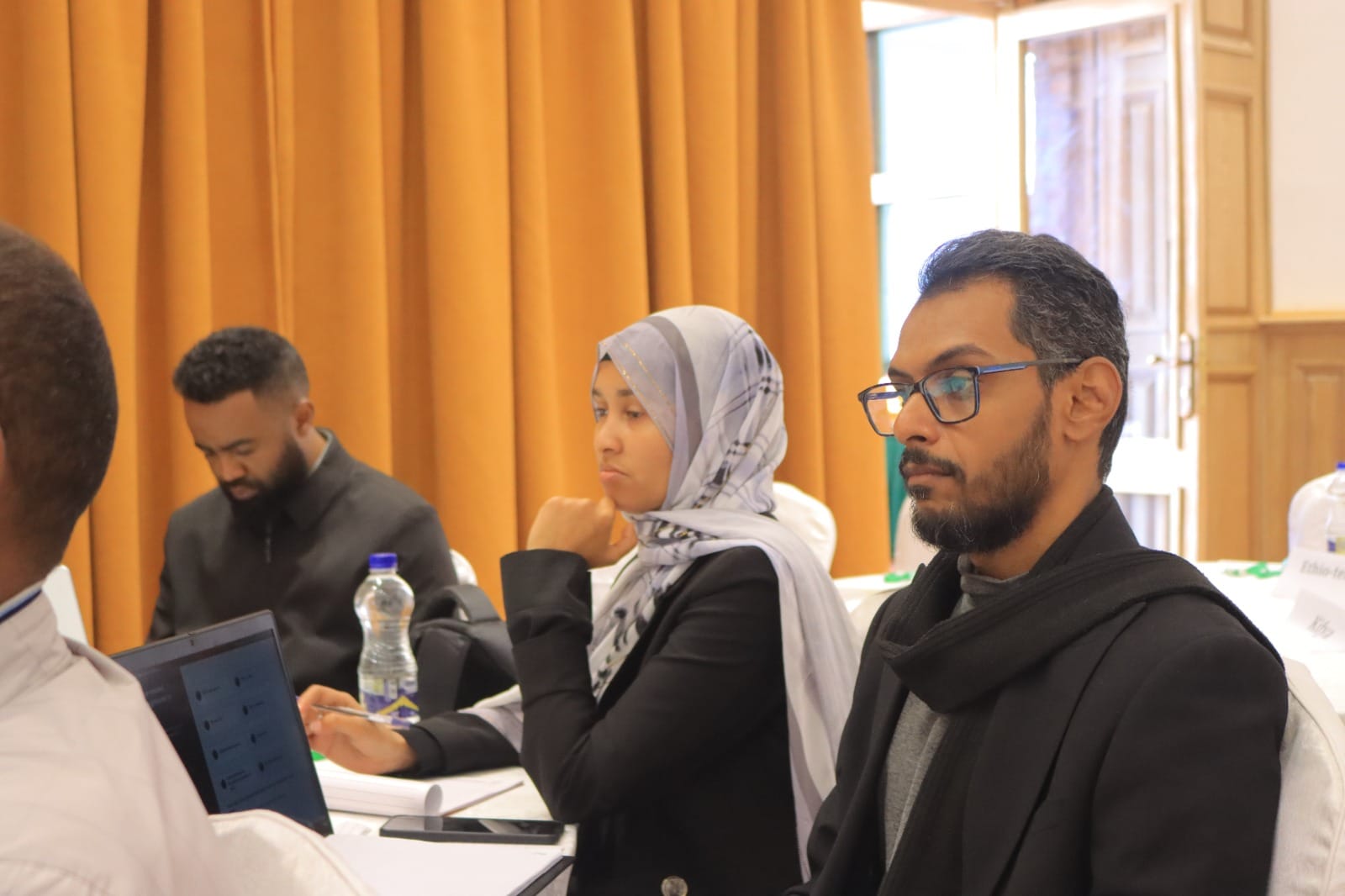
Securing work permits was a constant battle, obtaining business licenses demanded patience with bureaucracy, and legal identity posed barriers to accessing finance. These obstacles were not minor administrative details but clear evidence of the gap between legal texts and the complex realities of implementation.
Yet, Shama’s founder turned these challenges into opportunities, through perseverance, partnerships with supportive organizations, and the use of digital identity that opened new doors in the financial sector, proving that refugees can succeed as entrepreneurs when given the right tools. Being the first and only refugee-led company in Ethiopia made Shama’s presence even more significant, as it served as living testimony before officials and experts. Refugees are not a burden but a valuable asset to the economy and society.
For businesses, Shama demonstrated that investing in refugees brings diversity and creativity, while for international organizations it provided a practical model to understand daily challenges and design more realistic programs. For the government, it highlighted that administrative hurdles are not trivial but real barriers requiring practical solutions to fully activate the laws.
Although the path was far from easy, Ethiopia’s legal reforms offered a window of hope. The government, even without providing direct solutions, took an important step by laying the legal foundation that allowed refugees to dream and start their own ventures. The government laid the foundation, and the refugee built the success. These reforms were not just words on paper, but an implicit message that refugees can be part of society and have the right to contribute to development.
Shama’s existence was not merely an administrative or economic event, it was a deeply human moment.
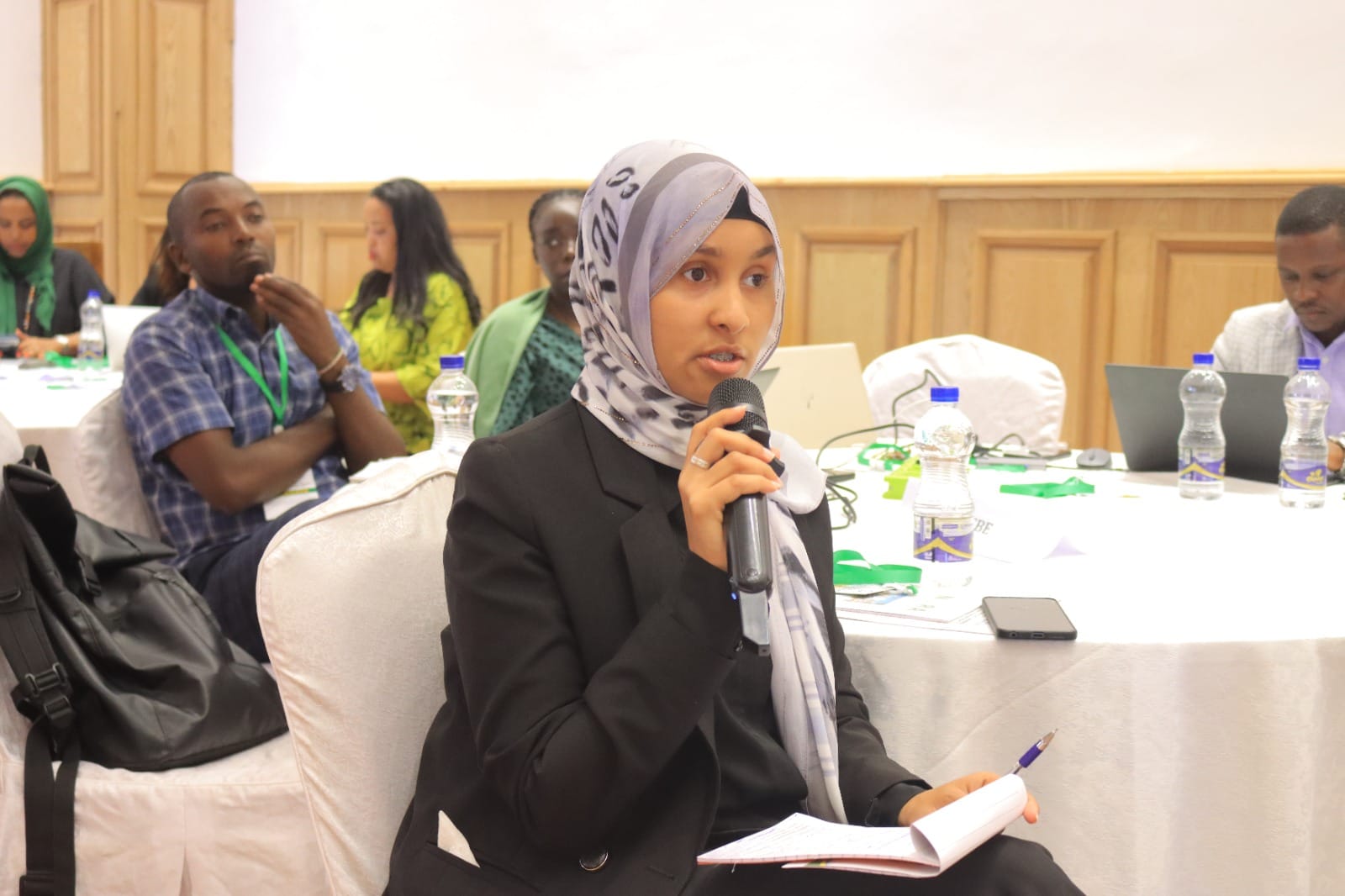
Seeing a refugee stand in the heart of Ethiopia, leading the country’s first and only refugee-run company, was proof that hope can emerge from challenges, and that laws, no matter how complex, gain meaning when they turn into real success stories. The deeper impact of Shama was not only economic but cultural. It embodied the idea of cultural exchange between refugees and the local community, proving that integration is not just about work or finance, but about building bridges of trust and understanding. Its presence at the national workshop made the discussions more realistic and demonstrated that individual success stories can become collective forces for change.Shama’s story is one of determination and the ability to turn obstacles into opportunities. It shows how a single refugee-led company can become a symbol of change not only in the economy, but also in culture and social policy. Its participation in Bishoftu was more than attendance; it was a declaration that refugees can be genuine partners in development, and that their lived experiences are the key to understanding reality and designing fairer solutions.
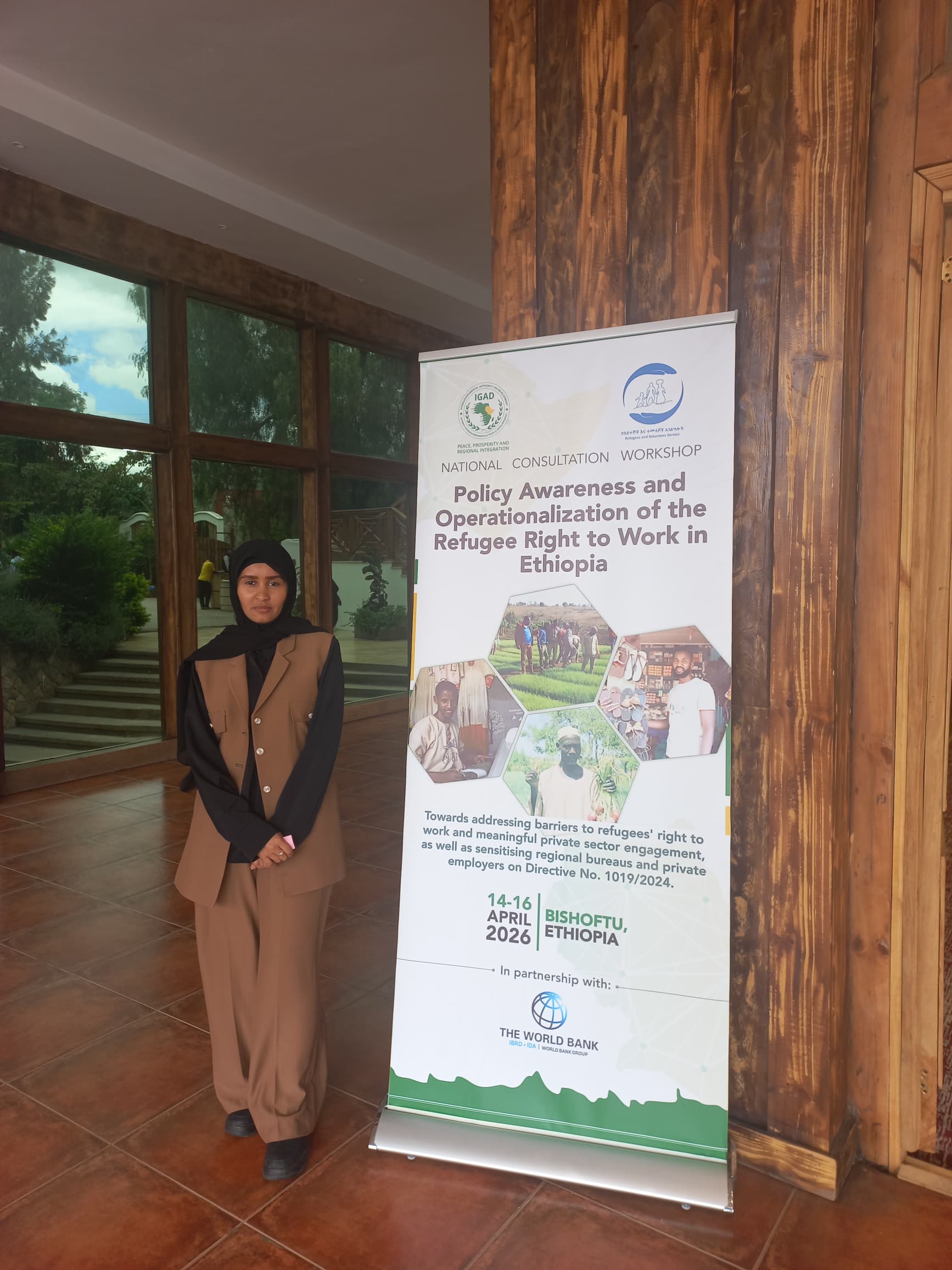
Shama’s story is one of determination and the ability to turn obstacles into opportunities. It shows how a single refugee-led company can become a symbol of change, not only in the economy, but also in culture and social policy. Its participation in Bishoftu was more than attendance; it was a declaration that refugees can be genuine partners in development, and that their lived experiences are the key to understanding reality and designing fairer solutions.
Shama’s participation was not just presence, it was proof that reality can change.