
Shama Institute at Ethiopia’s Makatet National Validation Workshop: From Policy to Practice
Shama Institute’s participation in Ethiopia’s Makatet Workshop highlighted refugee inclusion and turning policy into practice.
A Refugee-Led Voice in Ethiopia’s Inclusion Journey
Introduction
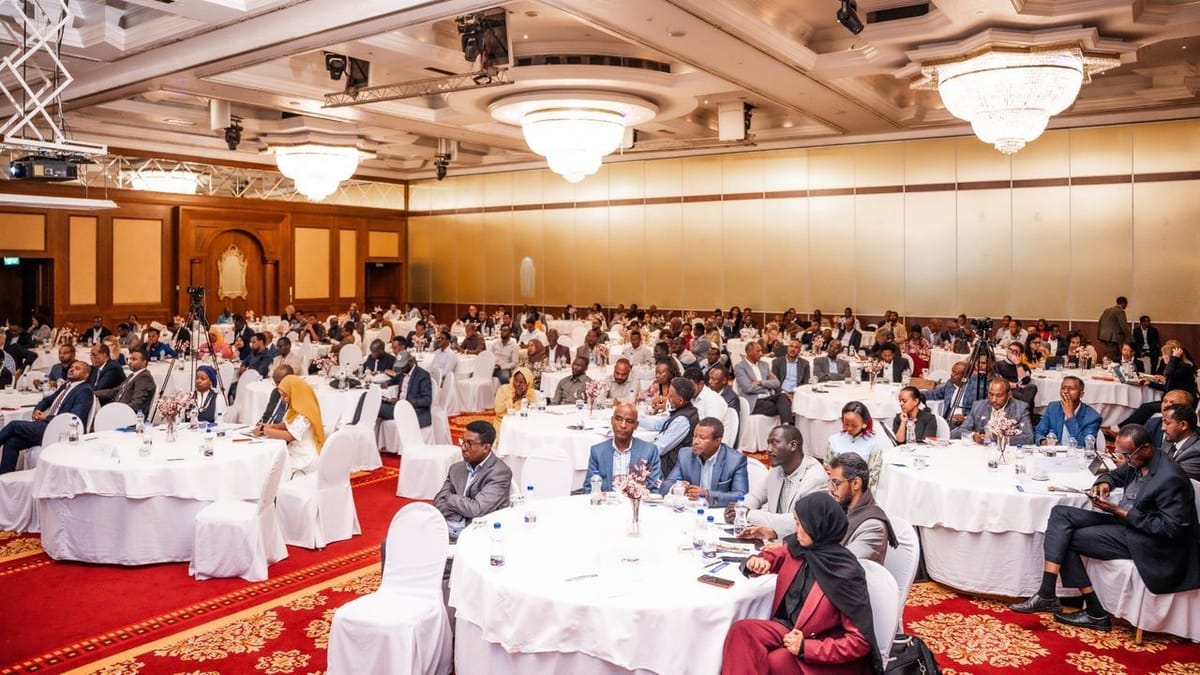
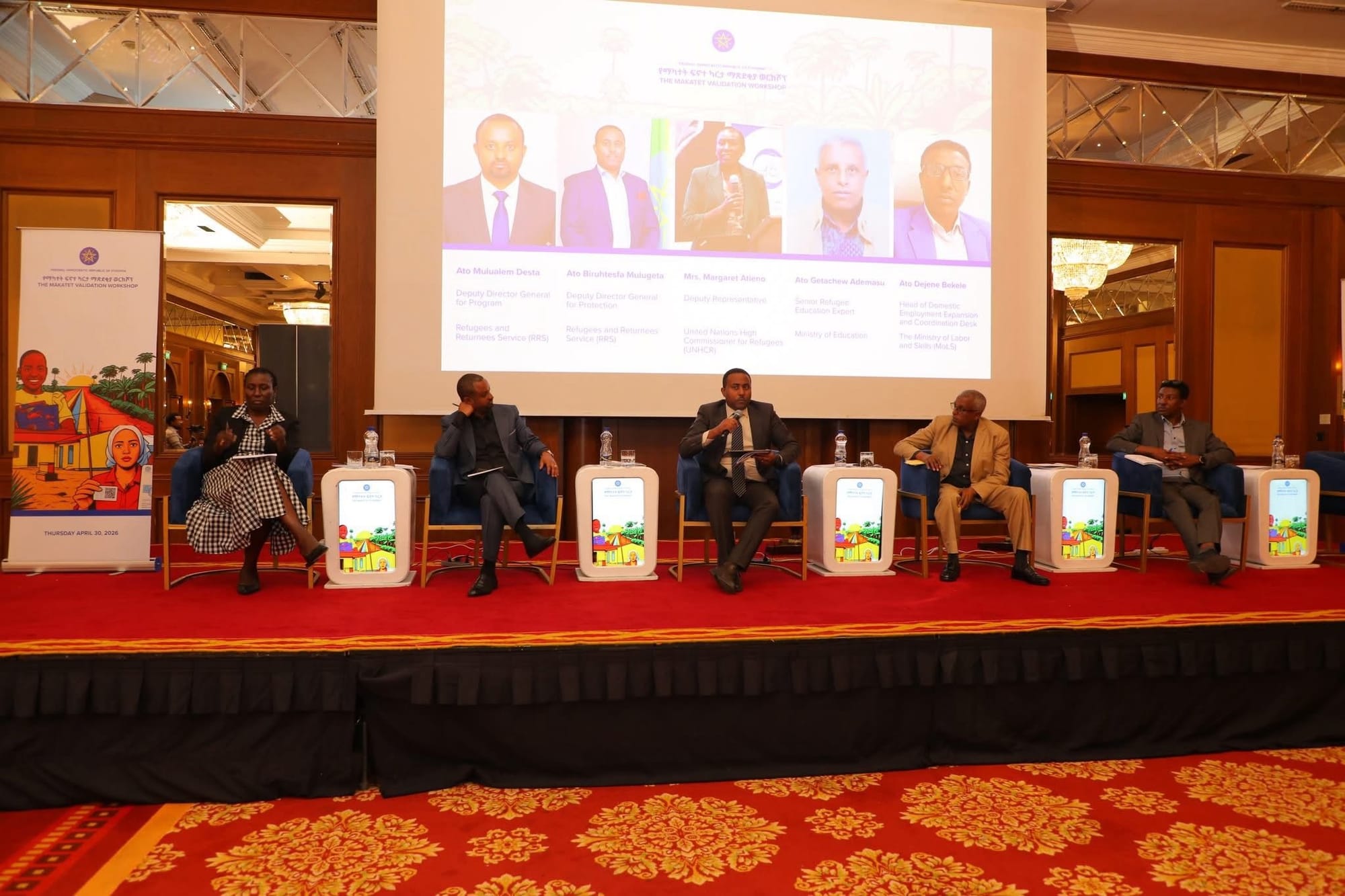
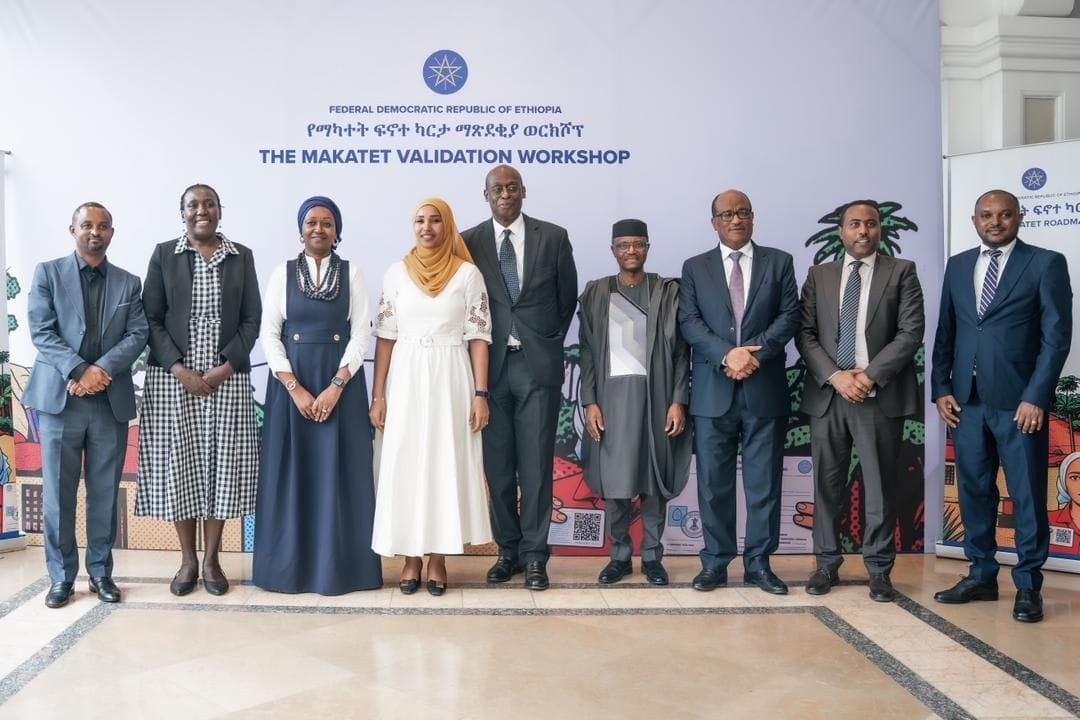
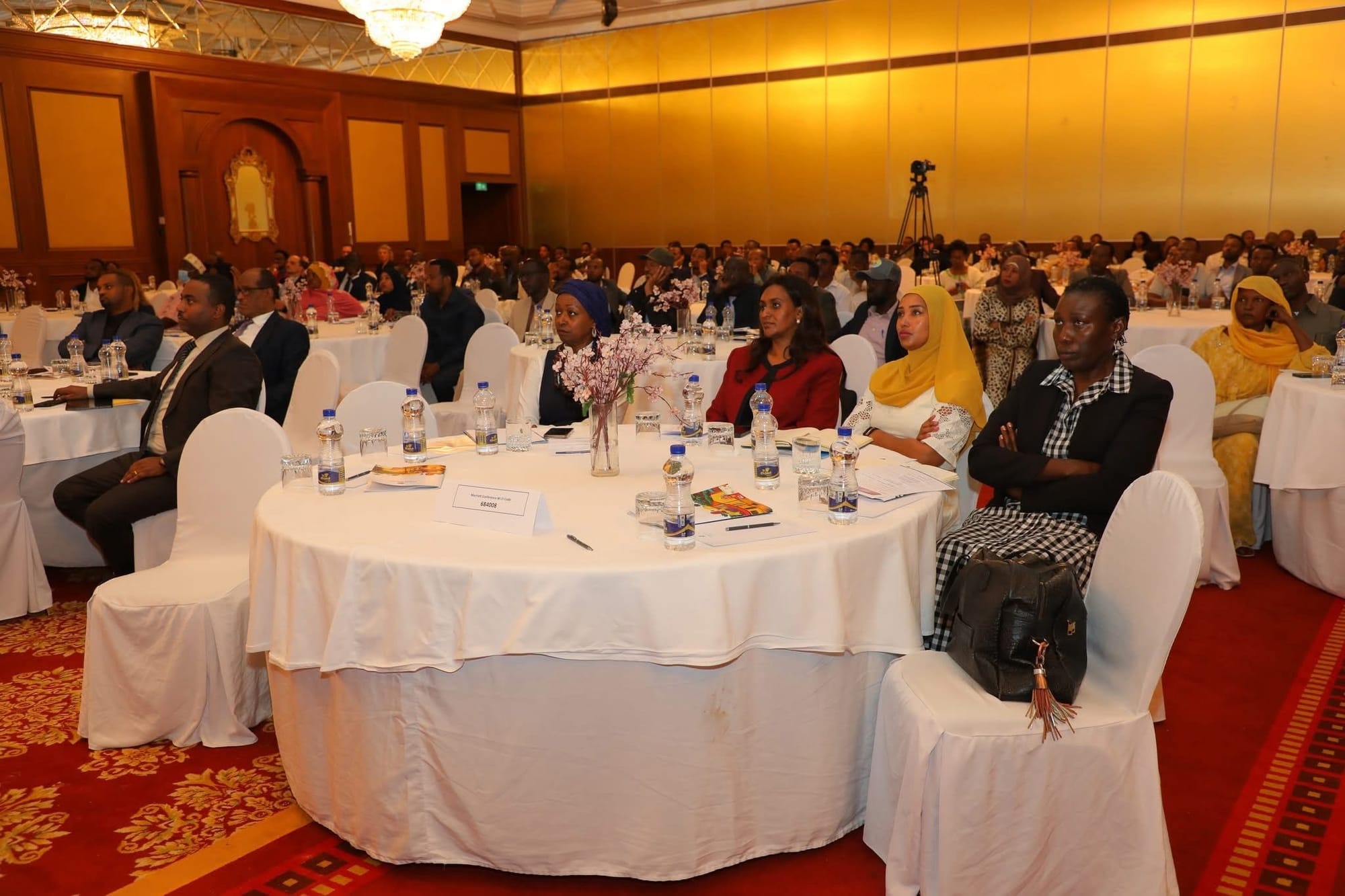
In April 2026, Shama Institute participated in the National Validation Workshop on the Makatet Roadmap (2025–2030), Orgnized by GIZ And RRS ahead of the roadmap’s official launch. The workshop brought together government institutions, development partners, financial actors, private sector representatives, and refugee voices to validate the strategic pillars and coordination frameworks that will guide Ethiopia’s multisectoral refugee response over the next five years. For Shama Institute, this was more than a policy event. It was an opportunity to place lived refugee experiences at the center of a national conversation about inclusion, economic participation, and long-term systems change.
Why Makatet Matters Makatet represents a shift from fragmented interventions toward a coordinated national framework. The roadmap connects livelihoods, protection, services, identity systems, partnerships, and institutional coordination into one implementation structure.
It recognizes a critical reality: refugee inclusion cannot succeed through isolated efforts. Sustainable inclusion requires systems that work together and institutions that share responsibility. Throughout the workshop, discussions focused not only on rights in principle, but on how those rights can become accessible and practical in everyday life. The question is no longer whether refugee inclusion should happen, but how to make it consistent, usable, and effective.
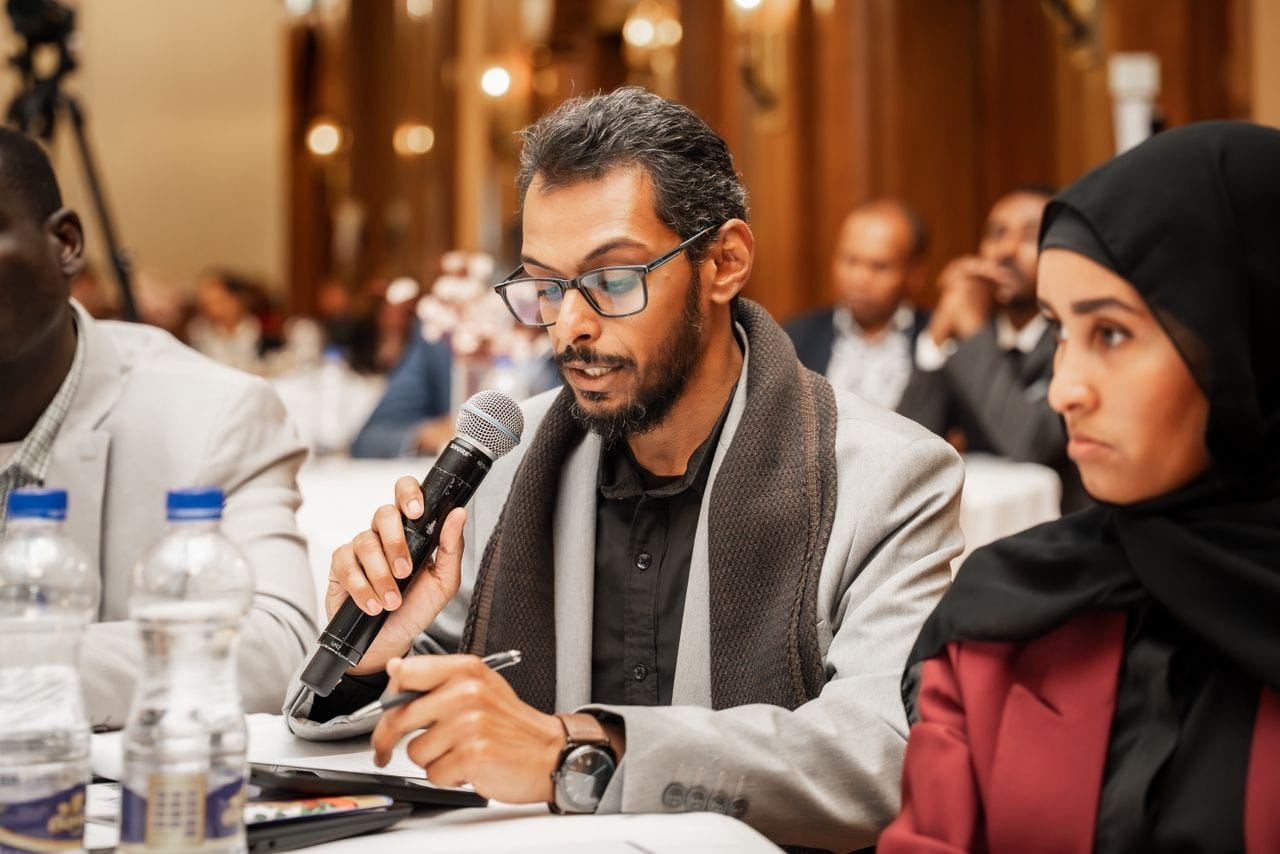
Shama Institute’s Role in the Conversation As a refugee-led social enterprise, Shama Institute operates at the intersection of policy and lived reality. Its participation highlighted an important message: refugees are not only recipients of aid. They are entrepreneurs, employers, innovators, trainers, and contributors to economic growth. Shama’s experience reflects many of the challenges refugee entrepreneurs face across Ethiopia, including administrative complexity, fragmented procedures, and limited access to finance. These are not abstract policy concerns. They directly affect whether refugee-led businesses can register, operate, employ others, and grow sustainably. By contributing to the validation process, Shama helped demonstrate the gap between legal recognition and practical implementation a gap that has real consequences for jobs, investment, and economic participation.
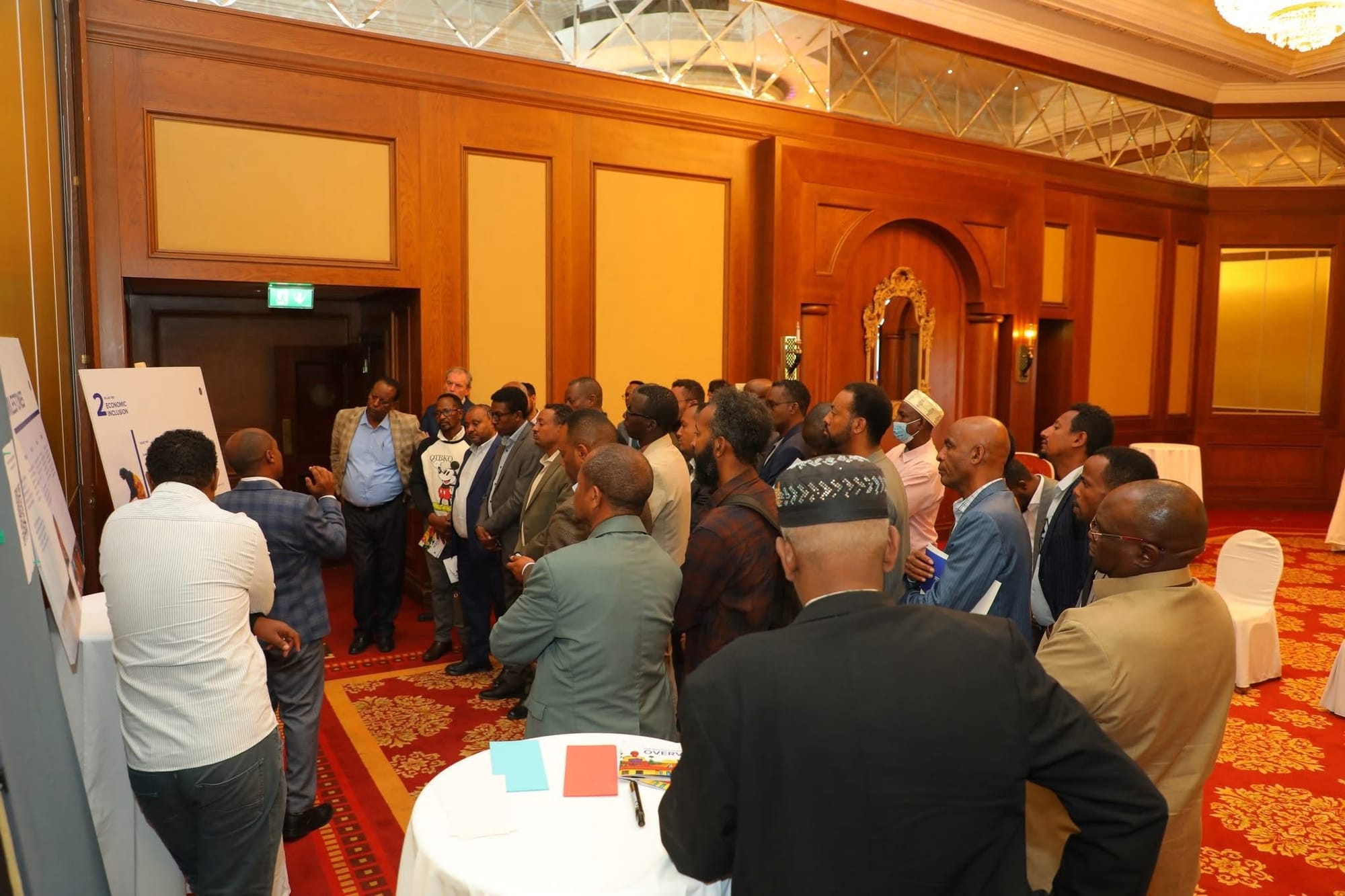
The Importance of Refugee Representation One of the strongest themes emerging from the workshop was the importance of meaningful refugee representation. Refugee voices should not be included merely as symbolic participants in pre-designed systems. Refugees must be involved from the beginning shaping priorities, identifying barriers, and defining what successful inclusion looks like on the ground. The National Refugee Forum was welcomed as a positive step toward more structured representation from woreda to regional and national levels. For this representation to succeed, it must remain inclusive, organized, and supported by both government institutions and development partners. Inclusion becomes stronger when policies are informed by those who experience the system firsthand.
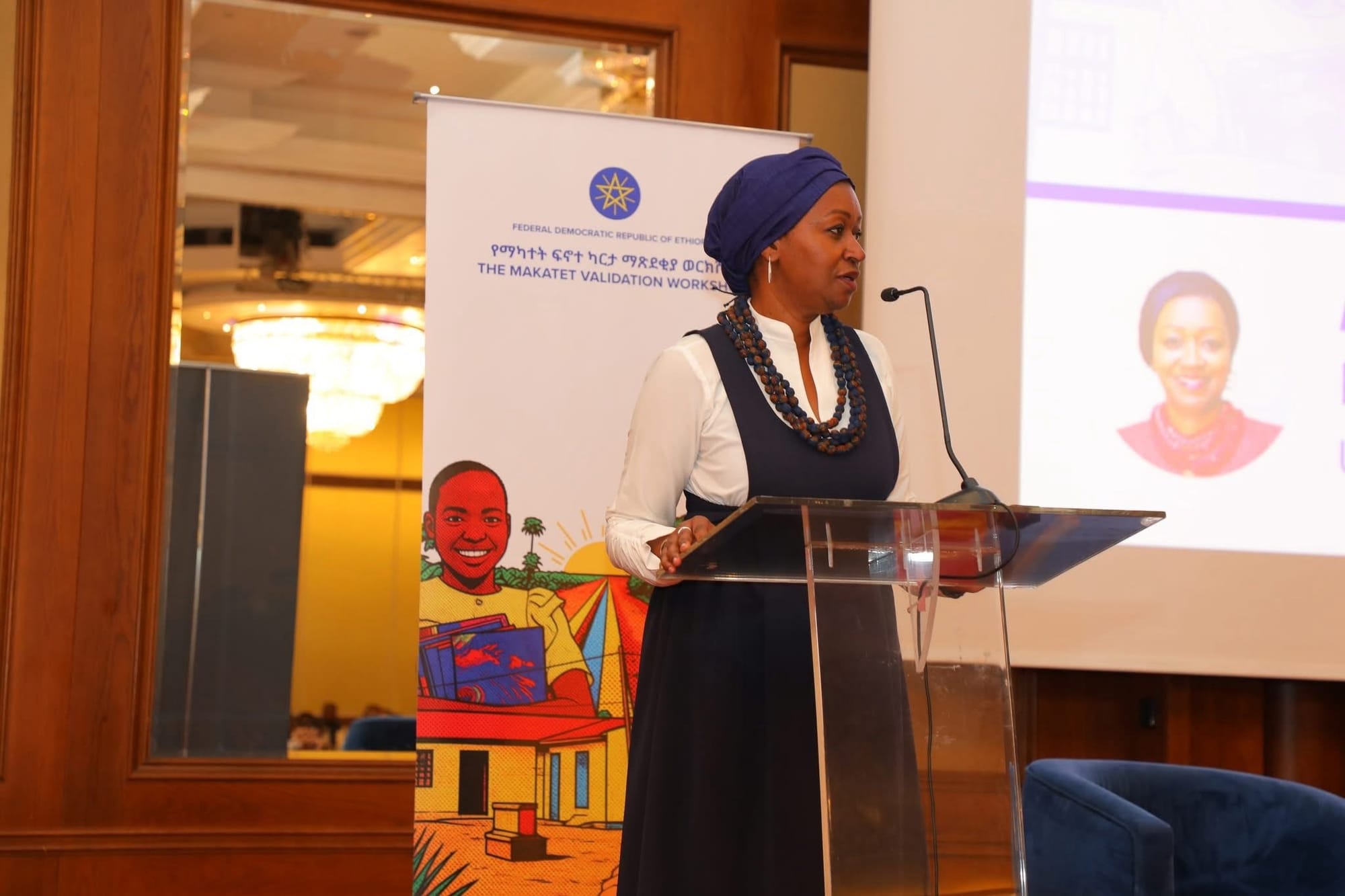
Coordination Will Determine Success Another key lesson from the workshop was that refugee inclusion depends heavily on coordination between institutions. A roadmap can only succeed when ministries, agencies, local authorities, NGOs, and partners operate in a synchronized and accessible way. Refugees should not be required to navigate disconnected systems or move from office to office without clear pathways.
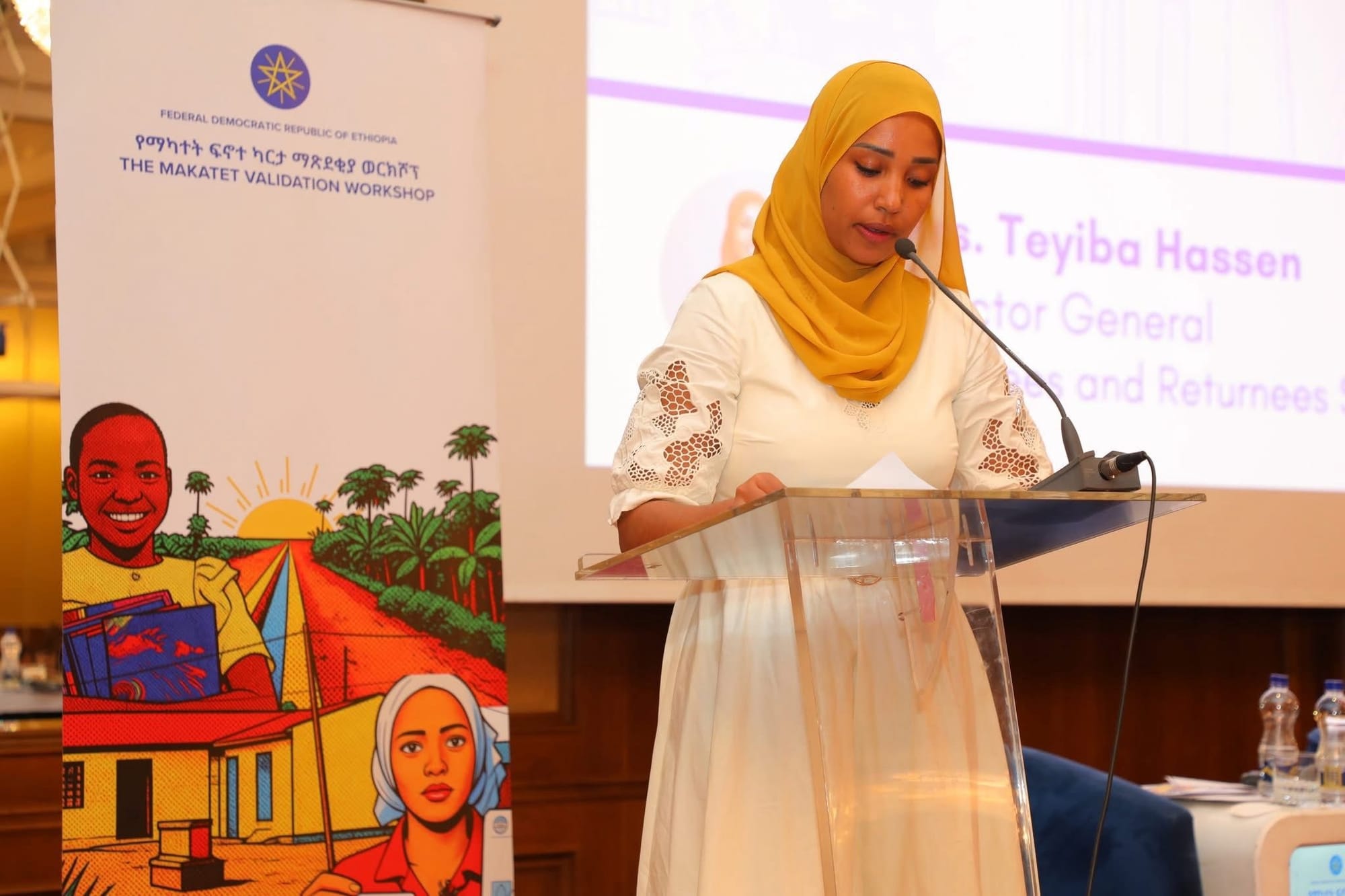
This makes system integration essential. Access to documentation, services, finance, and business procedures should become simpler not more complicated as reforms advance. Ethiopia has a significant opportunity to build a practical and inclusive national model, particularly if these systems become accessible beyond Addis Ababa and across the country.

Looking Ahead Makatet has the potential to become an important model for refugee inclusion in Ethiopia. Its strength lies in its broad and multisectoral approach, designed not around one issue, but around a national framework for delivery and coordination.
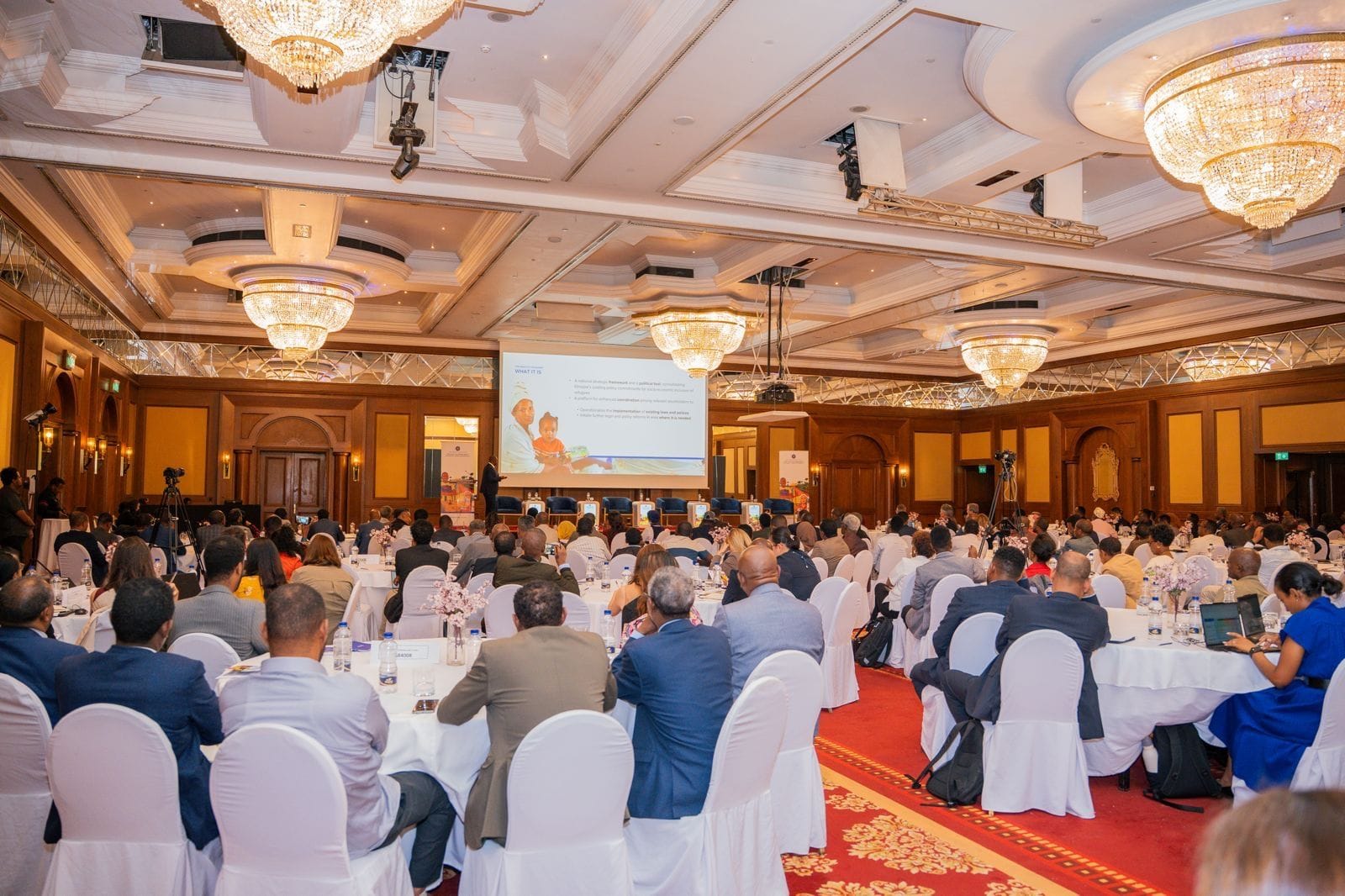
However, the real test begins after implementation. Success will depend on whether the roadmap reaches the people it is intended to support, whether institutions genuinely collaborate, and whether refugee inclusion becomes visible in practice not only in policy language.
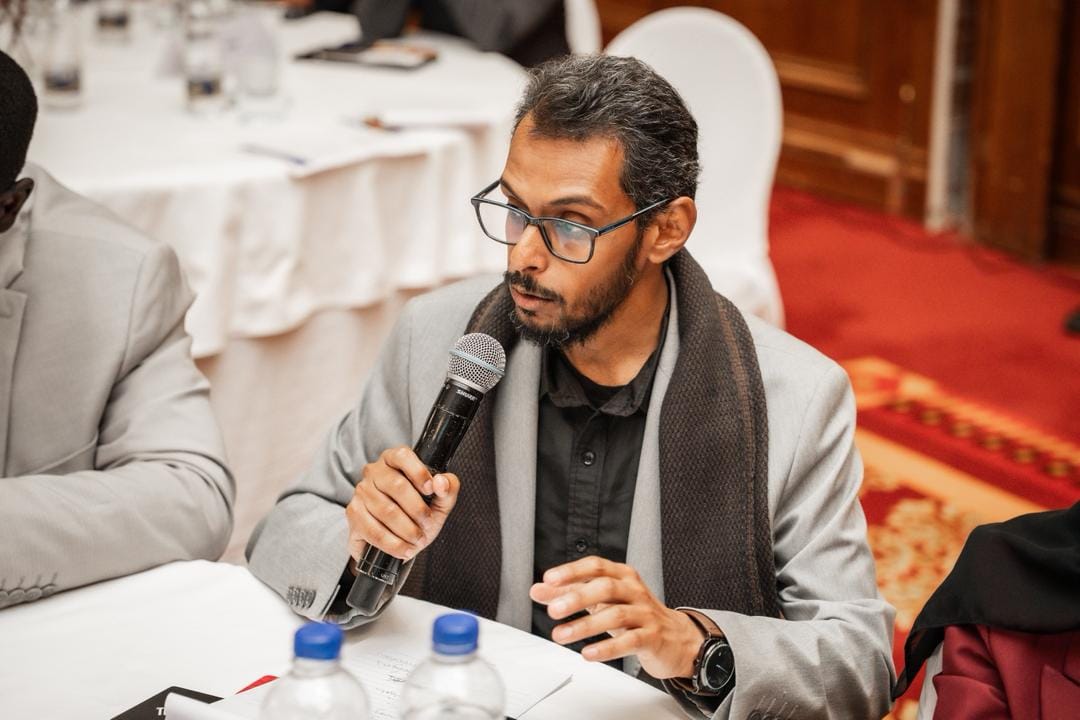
For Shama Institute, participation in this process reaffirmed a core belief: refugees are ready to contribute, build, innovate, and participate meaningfully in Ethiopia’s development. What is needed now is a system that works with them, not around them. Makatet is a promising beginning. The challenge ahead is turning that promise into action.

About Shama Institute. Shama Institute is a refugee-led company committed to inclusion, social impact, and creating practical pathways for refugees to contribute meaningfully to Ethiopian society and the economy.