
Culture, Opportunity and Africa’s Next Act at AFD2026
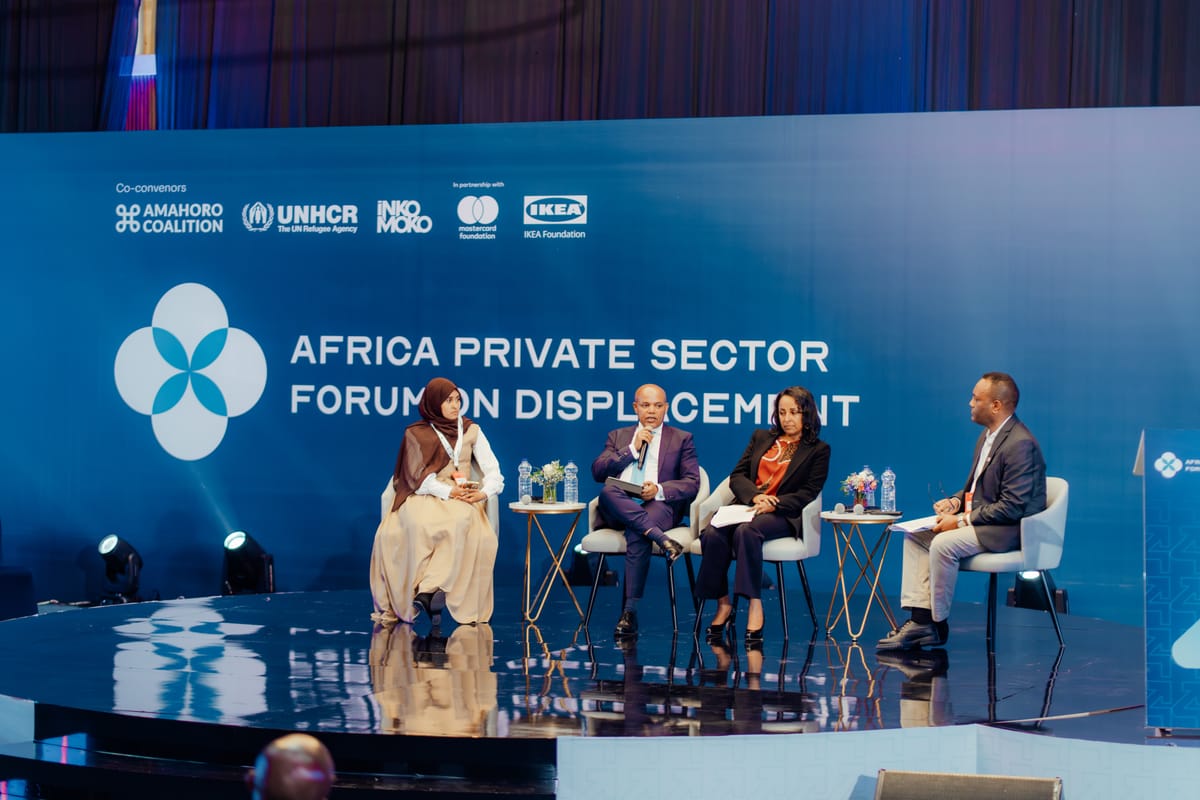
At the 4th Africa Private Sector Forum on Displacement in Addis Ababa, I joined two conversations about the future of inclusion: the Ethiopia Spotlight and The Next Act: Bets on Africa’s Economic Future. I took part as an Amahoro Coalition Fellow and Program Manager at Shama Institute for Cultural Exchange.
The Forum’s theme, The Next Act: Creating a More Inclusive Economic Ecosystem, asked participants to move from commitments to practical action. That question connected both sessions I joined: how can people from different backgrounds participate fully, and what needs to change so businesses and communities can thrive? (Forum program)
At the Ethiopia Spotlight, the discussion focused on how Ethiopia can translate progress in refugee inclusion into greater access to jobs, finance, and markets. I spoke about Shama’s work bringing refugees and Ethiopians together through language and cultural exchange.
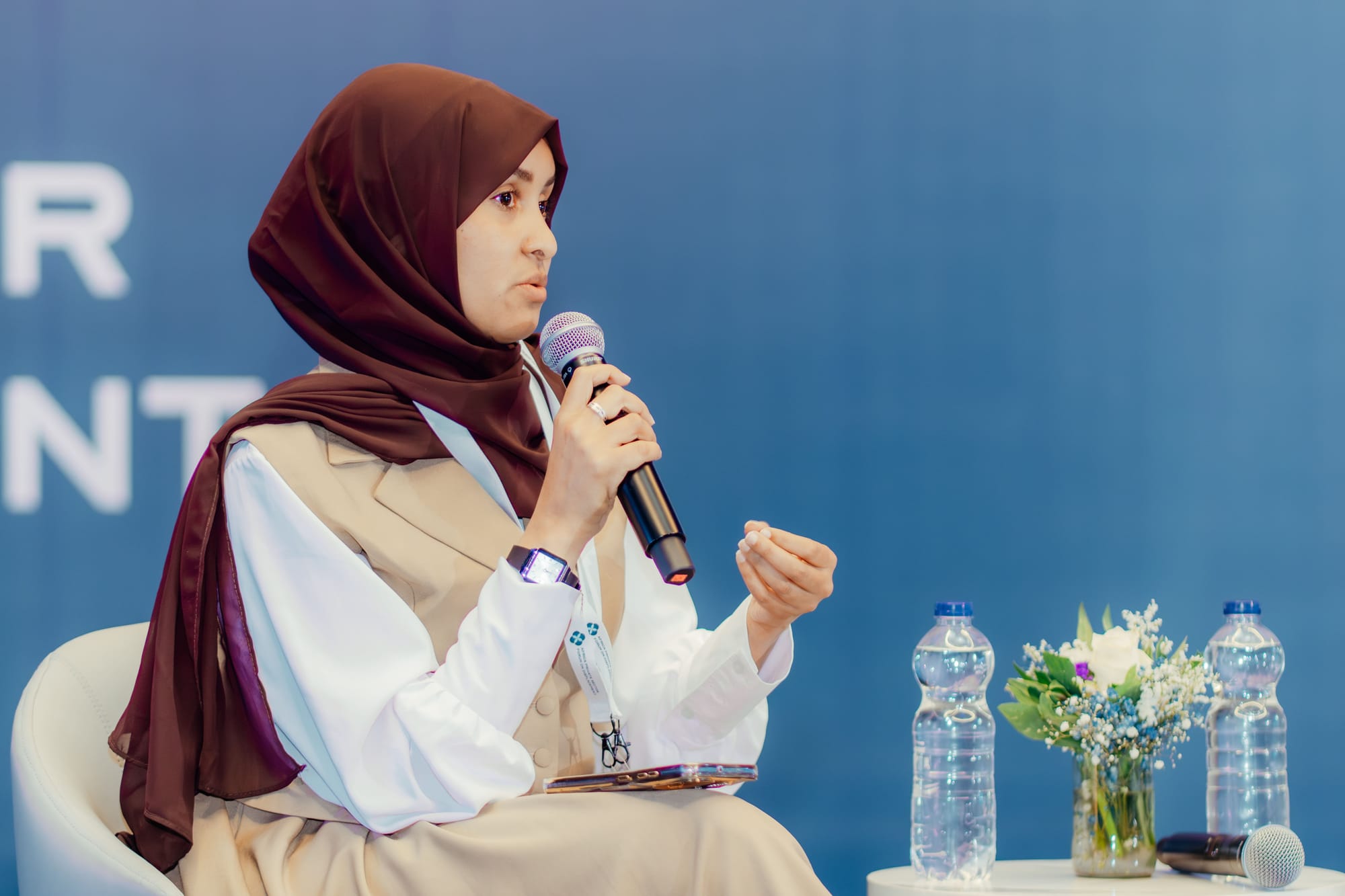
At Shama, we create opportunities for people to learn about one another’s cultures while keeping their own traditions visible and valued. As I shared in the session, “We bridge the gaps between host communities, refugees, and beyond.” Our community includes people from 25 nationalities, participating in person and online. For us, cultural exchange is a way to celebrate the beauty of our differences and build understanding across them.
Language and culture belong together in this work. Learning a language also means encountering the context and culture that shape how it is used. That is why cultural exchange is part of Shama’s approach to language learning.
I also shared a vision for the next five years: practical partnerships that help refugee-led businesses turn skills into decent work and sustainable income. That requires the effective implementation of refugees’ rights to work and move freely, alongside access to international markets and opportunities. My ask to the room was to choose one practical barrier each of us can help remove, and commit to acting on it. When refugees can participate and succeed, host communities benefit as well.
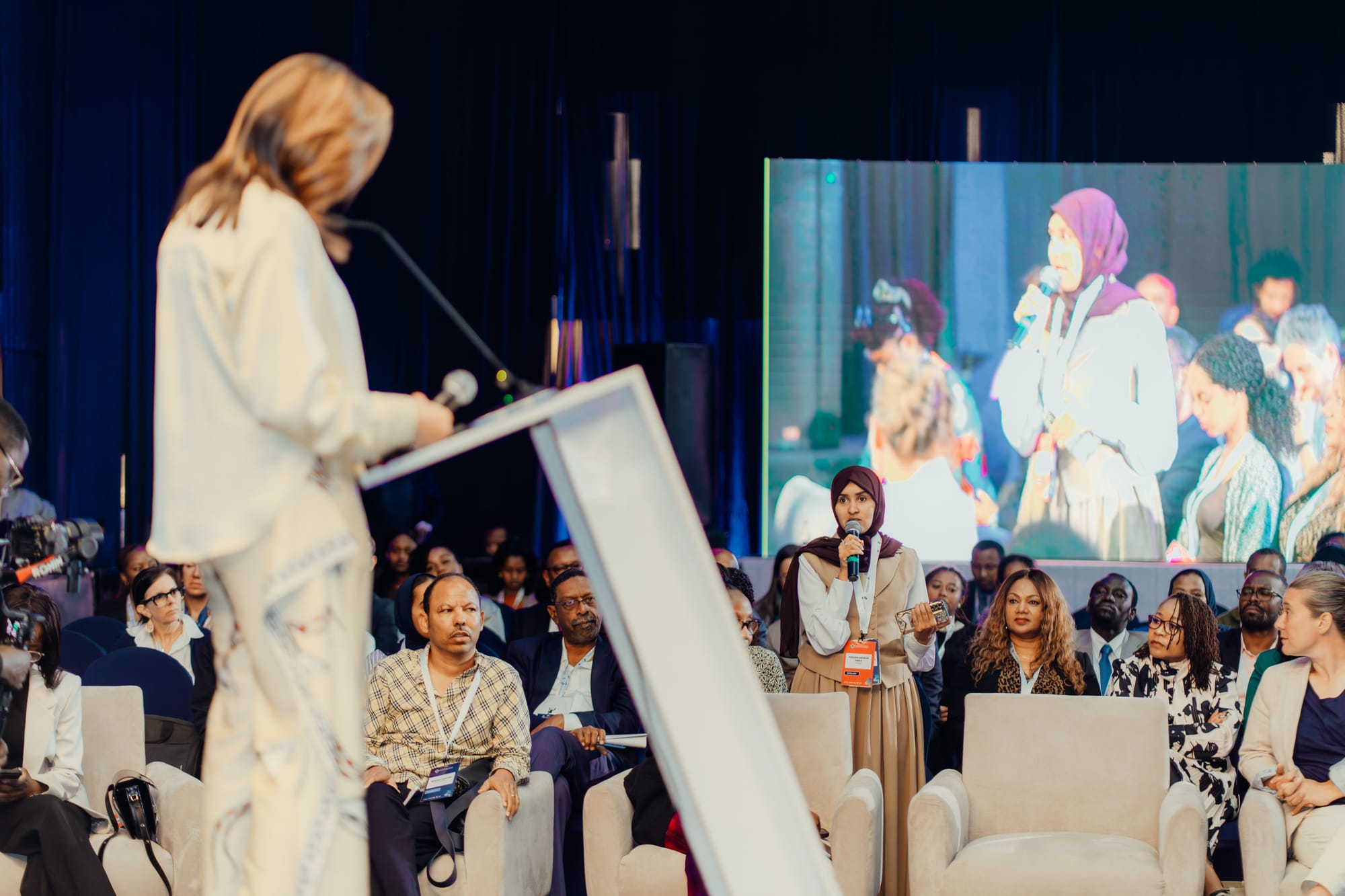
The second conversation, The Next Act: Bets on Africa’s Economic Future, brought another part of Shama’s experience into focus: what it takes for an Ethiopian business to serve customers around the world.
Shama is a refugee-led social enterprise and an international language-learning platform teaching seven languages. We built our model ourselves, learning through the obstacles businesses face on the ground, including policies that are not always implemented in practice. One example is international payments. Global payment gateways have not supported Ethiopian-based businesses in the way our international students need. Chapa has helped Shama receive payments from learners abroad.
There are still practical challenges to address: dependable Visa and Mastercard acceptance for international customers, clear processes for refunds, and compliant ways to pay tutors, including tutors outside Ethiopia. These are wider ecosystem questions, requiring collaboration among banks, payment providers, fintech companies, and policymakers on interoperability, clear rules, and transaction costs.
When learners can pay easily, they can begin and continue lessons. That supports learners, tutors, and local businesses, while helping more Ethiopian businesses reach global customers. The opportunity is to strengthen the systems around local providers so that value can travel across borders and reach the people creating it.
These two sessions reminded me that inclusive growth depends on practical conditions. Cultural exchange needs space for people to meet with dignity and curiosity. Refugee-led businesses need the freedom and opportunity to turn skills into livelihoods. Ethiopian businesses need systems that connect them reliably to customers and markets.
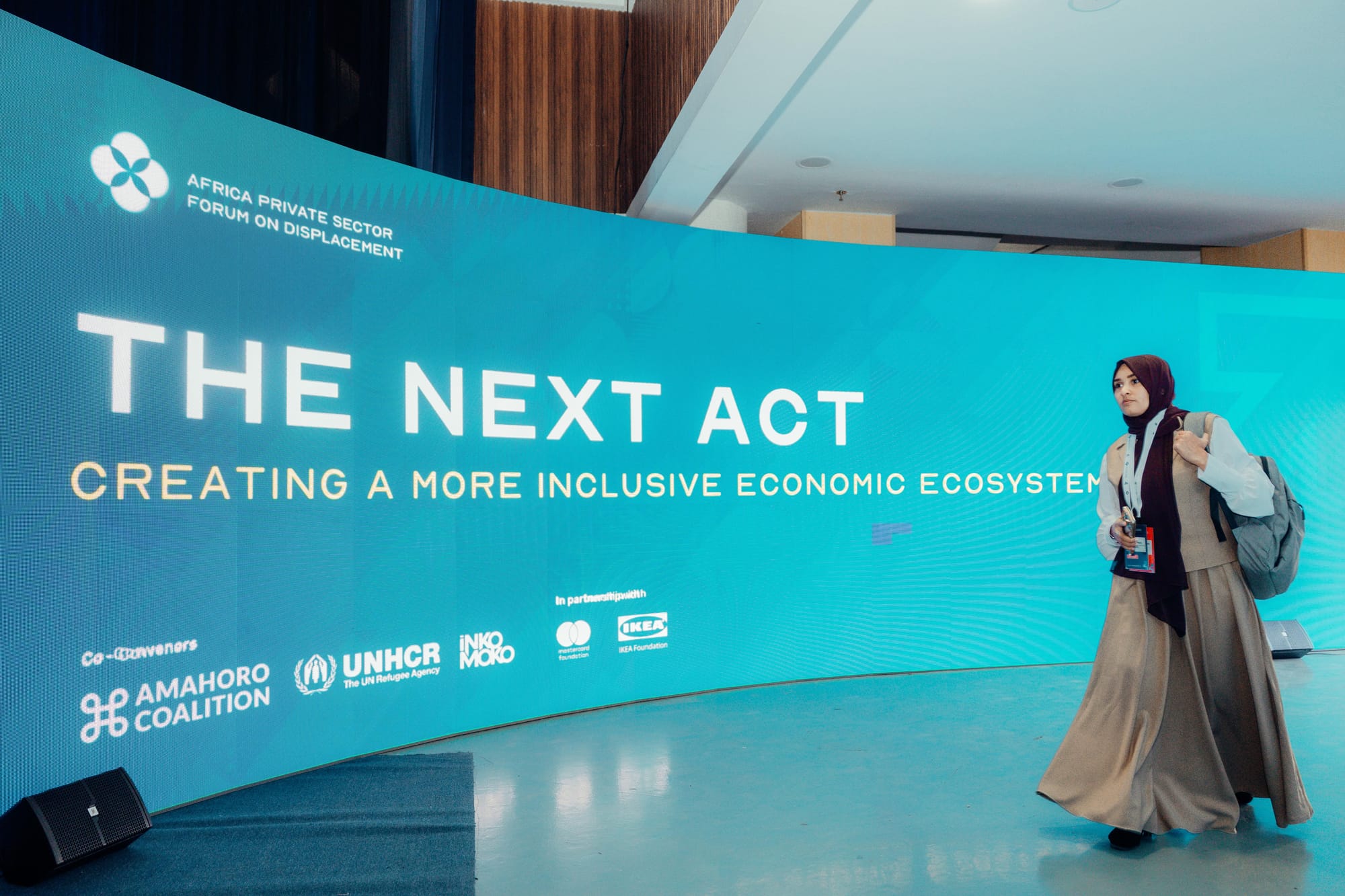
As an Amahoro Coalition Fellow and Program Manager at Shama Institute for Cultural Exchange, I left AFD 2026 with a renewed commitment to building those connections: across cultures, between communities, and between Ethiopian businesses and the wider world.