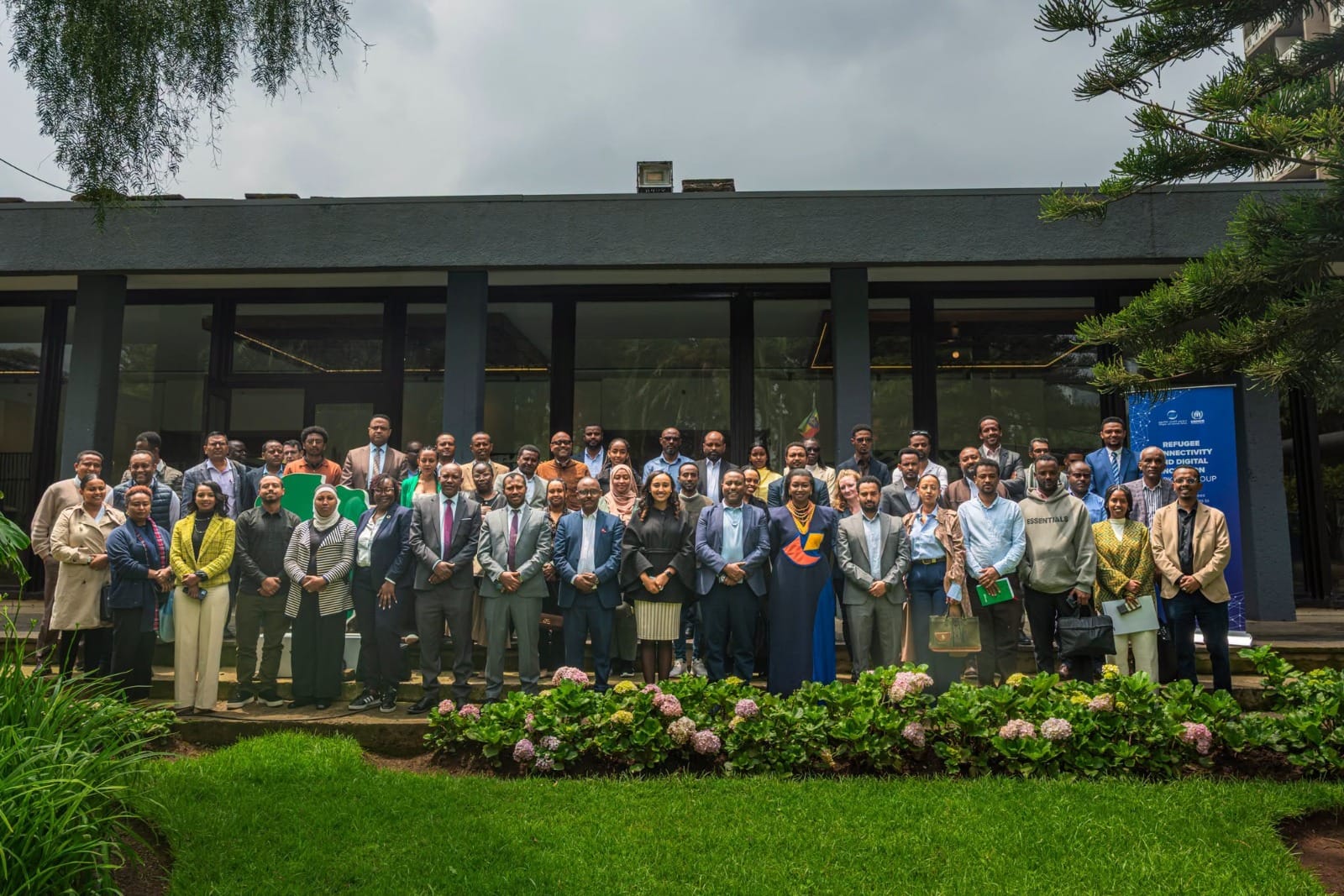
From Connectivity to Opportunity: Reflections from Ethiopia’s 2026 Refugee Connectivity and Digital Inclusion Plenary
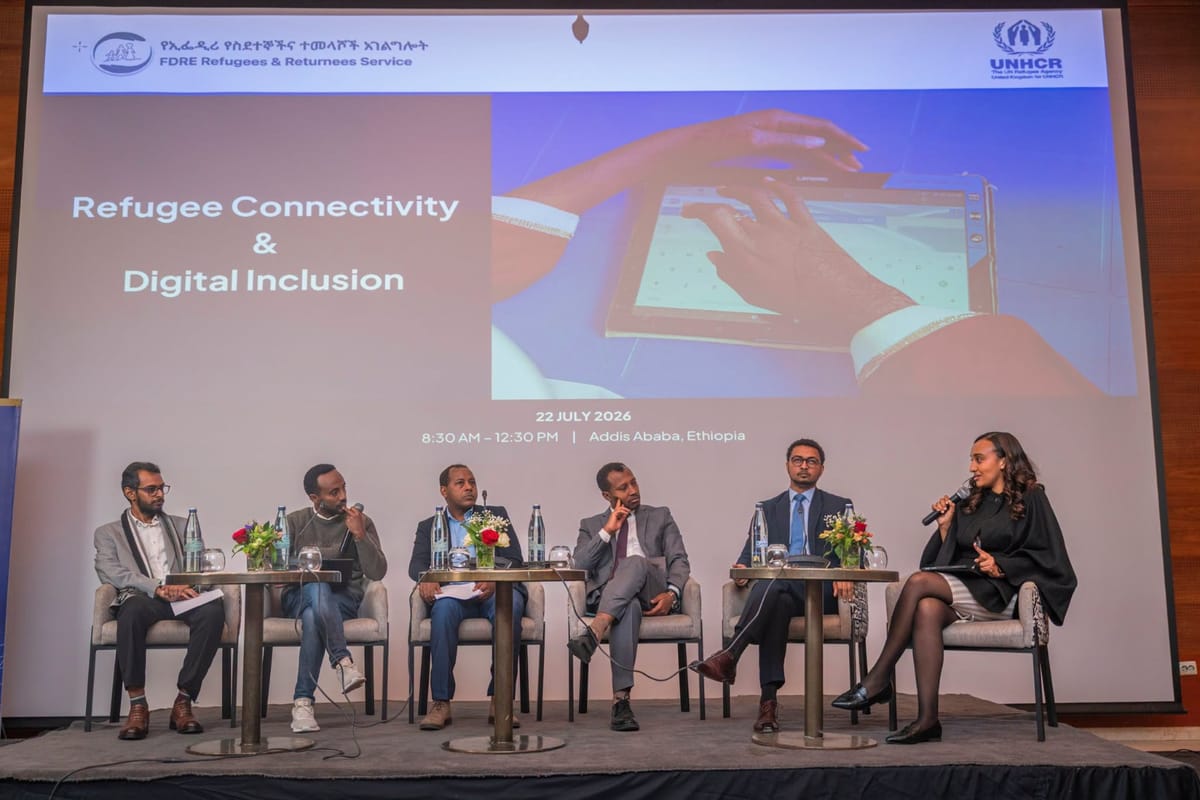
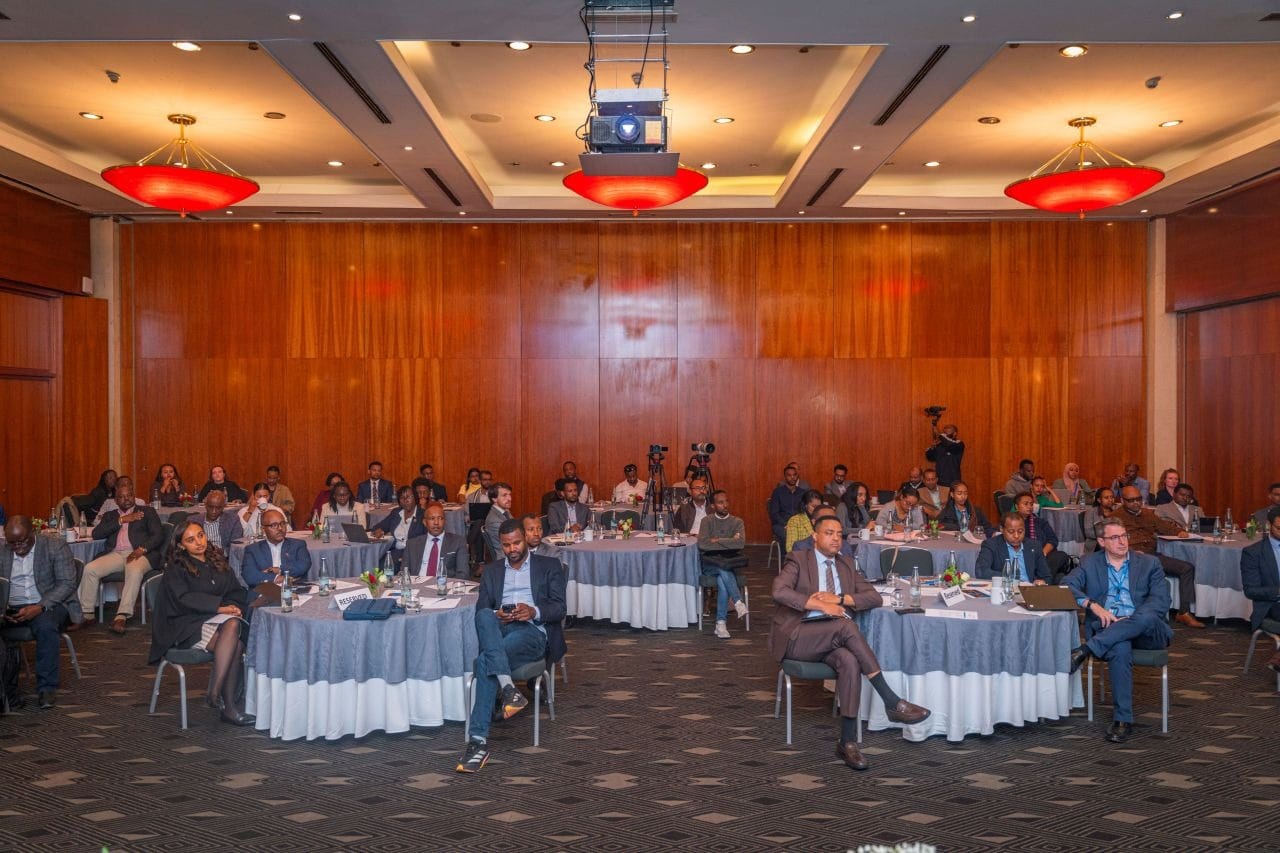
On 22 July 2026, Shama Institute for Cultural Exchange participated in the 2026 Refugee Connectivity and Digital Inclusion Working Group (RCDIWG) Plenary Meeting in Addis Ababa.
Convenedy by the Refugees and Returnees Service (RRS) and UNHCR Ethiopia, with the support of the Government of the Kingdom of the Netherlands, the plenary brought together government institutions, regulators, development partners, financial institutions, telecommunications actors, academia, refugee-led organizations, and private-sector representatives to discuss one critical question:
How can digital inclusion create meaningful opportunities for refugees and host communities?
The discussion took place against the backdrop of Ethiopia’s broader digital transformation agenda, including Digital Ethiopia 2030, the Ten-Year Development Plan, the Fayda National Digital ID Programme, digital public infrastructure investments, financial inclusion initiatives, and growing innovation ecosystems.
At the same time, Ethiopia continues to host more than one million refugees and asylum seekers, making refugee digital inclusion both a humanitarian and development priority.
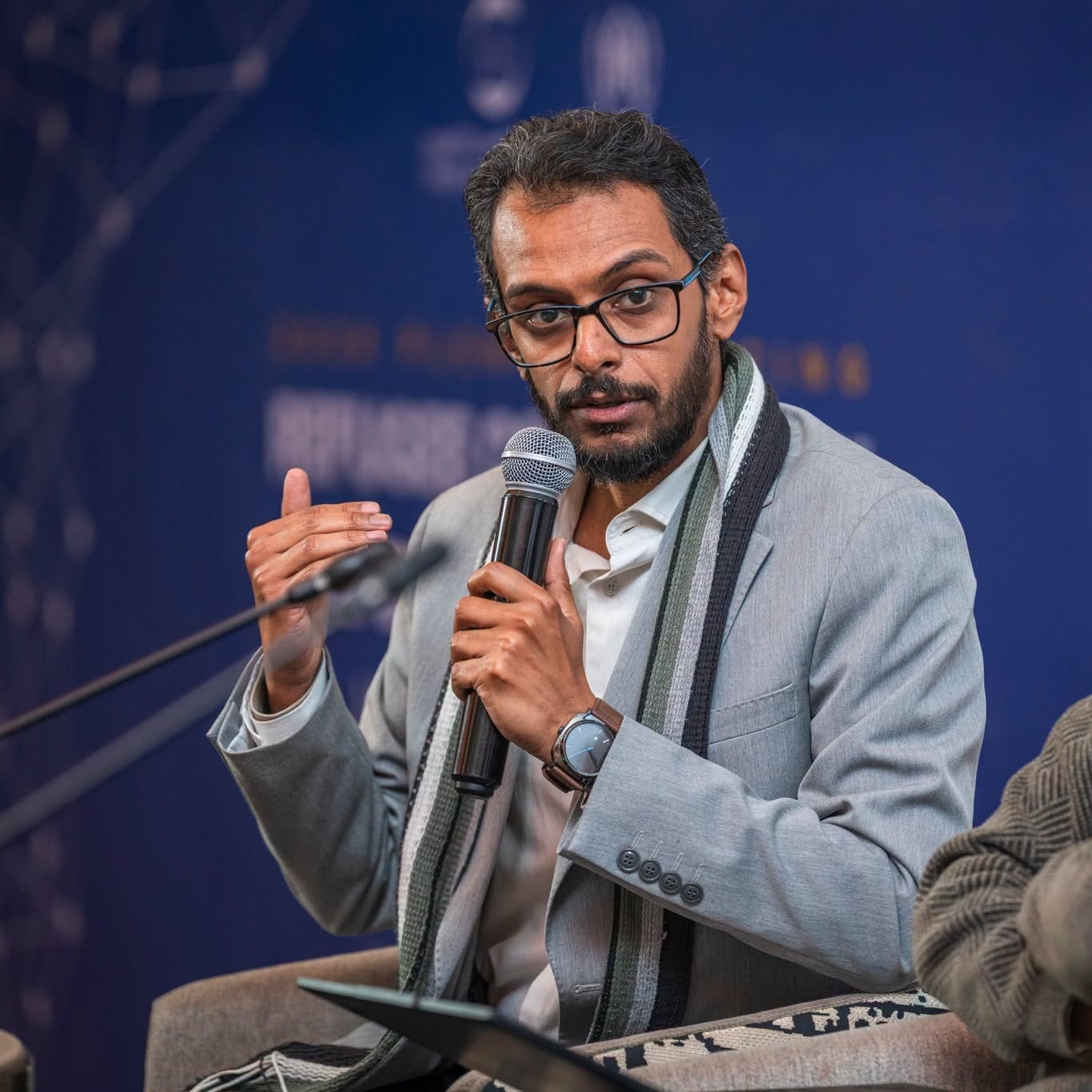
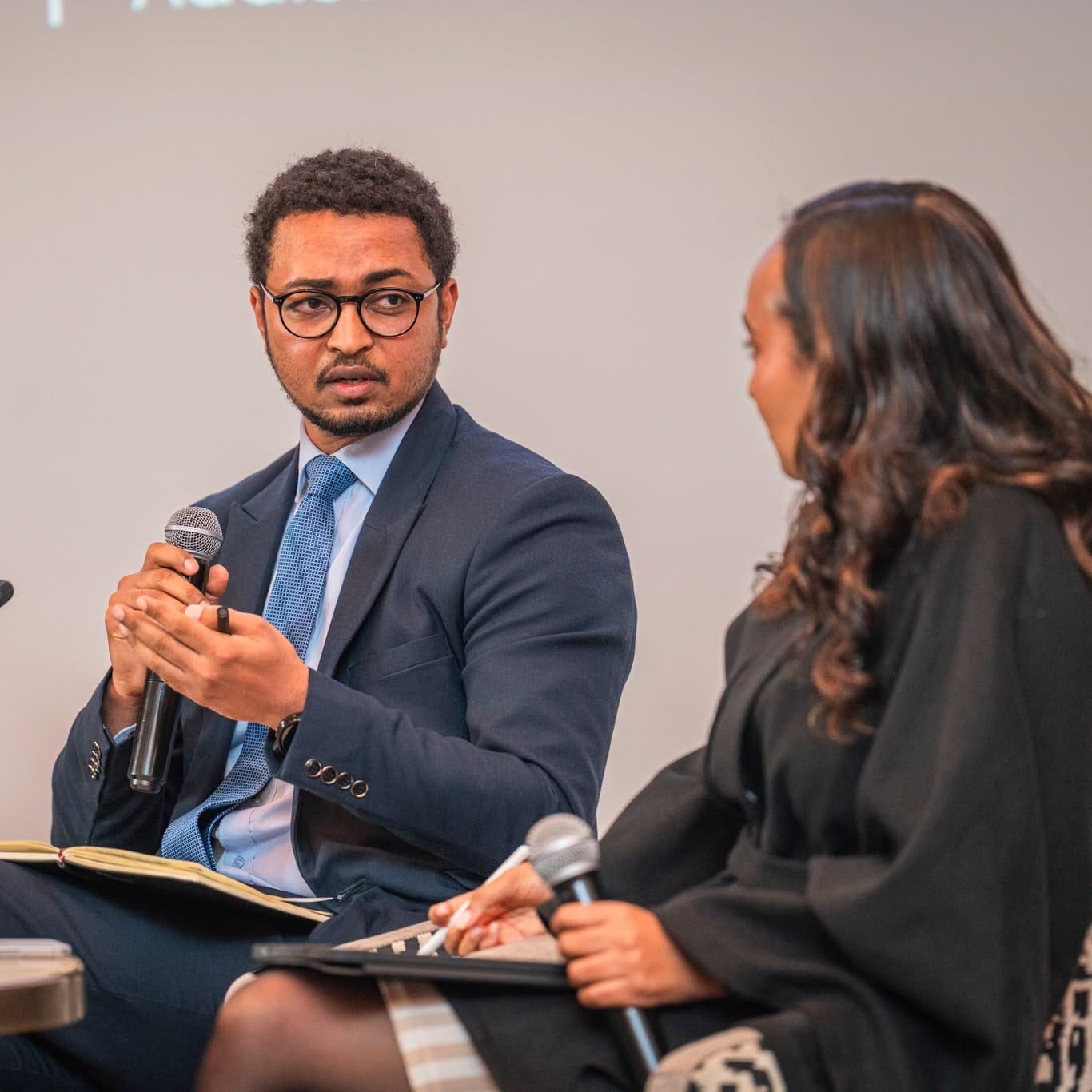
Connectivity Is Not the Destination During the high-level panel discussion, our Founder and CEO, Aziz Hazizi, reflected on his personal journey as a refugee entrepreneur.
Five years ago, after arriving in Ethiopia as an asylum seeker, one of the first questions he asked was about rights, opportunities, and future pathways.
The answer was simple: “We have ambitious plans, but nothing on the ground yet.”
Five years later, Aziz found himself sitting on a national panel alongside the same government officer who had registered him as an asylum seeker.
That moment represented something larger than an individual success story.
It reflected the progress Ethiopia has made in translating refugee inclusion commitments into practical opportunities.
During the discussion, Aziz shared a message that resonated throughout the room: “Connectivity is the foundation. Opportunity is the outcome.”
Before arriving in Ethiopia, Aziz spent three years as a refugee in Malaysia, a country with significantly more advanced digital infrastructure.
Yet despite access to technology, opportunities remained limited.
When he arrived in Ethiopia, he was not looking only for internet access.
He was looking for rights, inclusion, and a pathway to contribute.
That distinction remains important today.
Digital inclusion is not simply about connecting people to networks.
It is about connecting people to opportunities.
Digital Systems Can Accelerate Inclusion The panel also explored the role of digital transformation in reducing barriers.
Drawing from Shama’s own experience, Aziz shared that registering the company took nearly six months because different systems and institutions were not fully aligned.
Yet the final stage of registration submitting documents through an online platform took less than an hour.
This experience highlighted a broader lesson:
When systems communicate with each other, barriers are reduced. Digitalization is not only about technology. It is about making opportunities more accessible.
As Ethiopia continues to invest in digital public infrastructure, integrated systems have the potential to improve access to services, reduce inefficiencies, and create more inclusive pathways for everyone.
From Users to Contributors. The Working Group identified six priority barriers to digital inclusion: . Connectivity . Affordability . Access to devices . Energy and charging infrastructure . Digital skills . Policy and regulatory challenges
Addressing these barriers is essential. But the discussion also highlighted an equally important question:
What happens after people are connected?
At Shama, connectivity enables refugees and host-community professionals to teach languages, provide translation and interpretation services, facilitate learning, engage in cultural exchange, and connect with international learners and clients.
Connectivity enables participation. Participation creates livelihoods. Livelihoods create dignity, resilience, and self-reliance.
This is why refugees should not only be viewed as users of digital services.
They should be recognized as contributors to the digital economy.
Refugees do not lack talent. They do not lack skills. They do not lack ambition. What many lack are opportunities and acceptance.
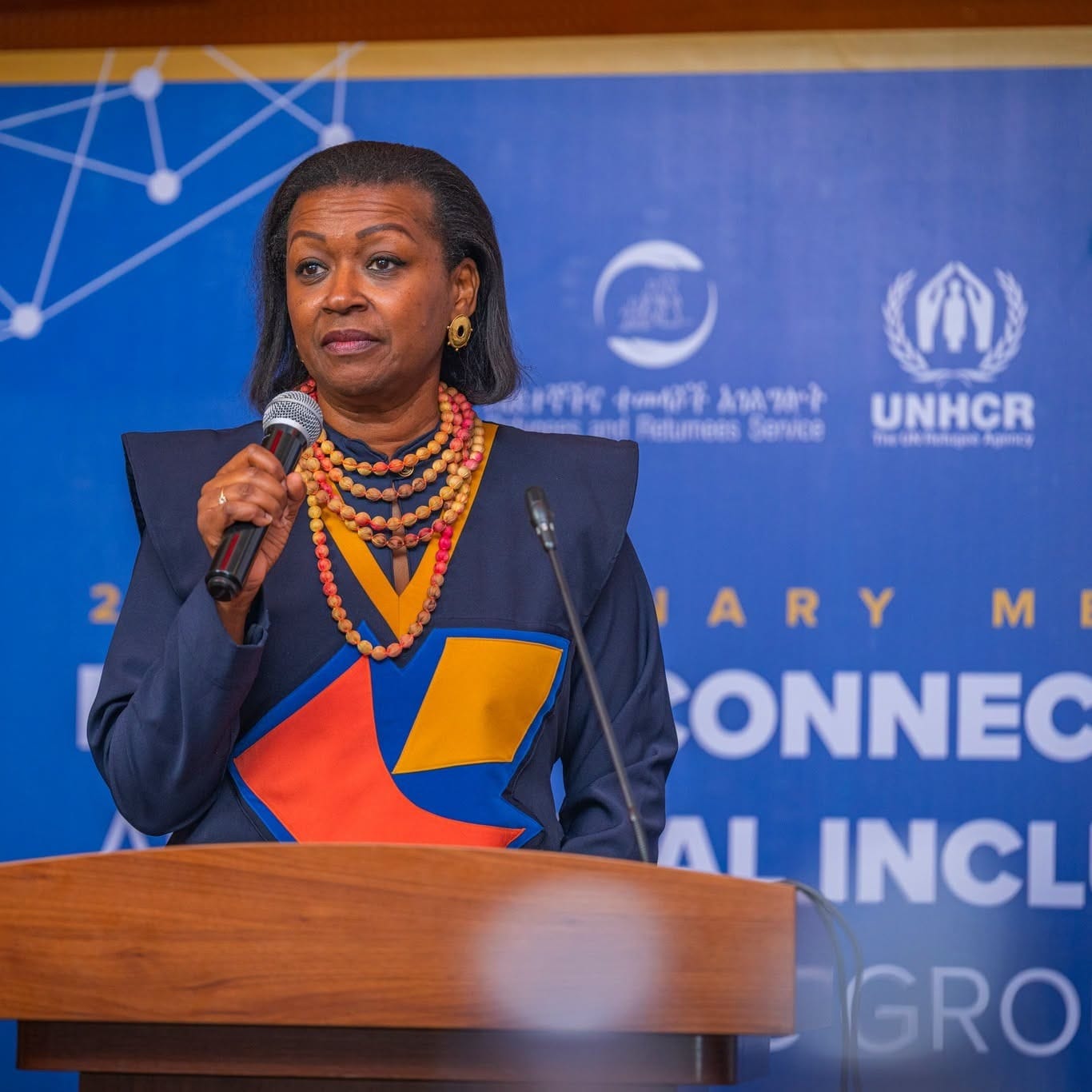
Public-Private Partnerships Matter
One of the strongest messages emerging from the plenary was the importance of collaboration.
The Working Group itself was established as a multi-stakeholder platform because no single actor can achieve meaningful digital inclusion alone.
Government creates enabling environments. Development partners support innovation. Financial institutions expand access. Telecommunications providers build infrastructure. Entrepreneurs create value. Communities create demand.
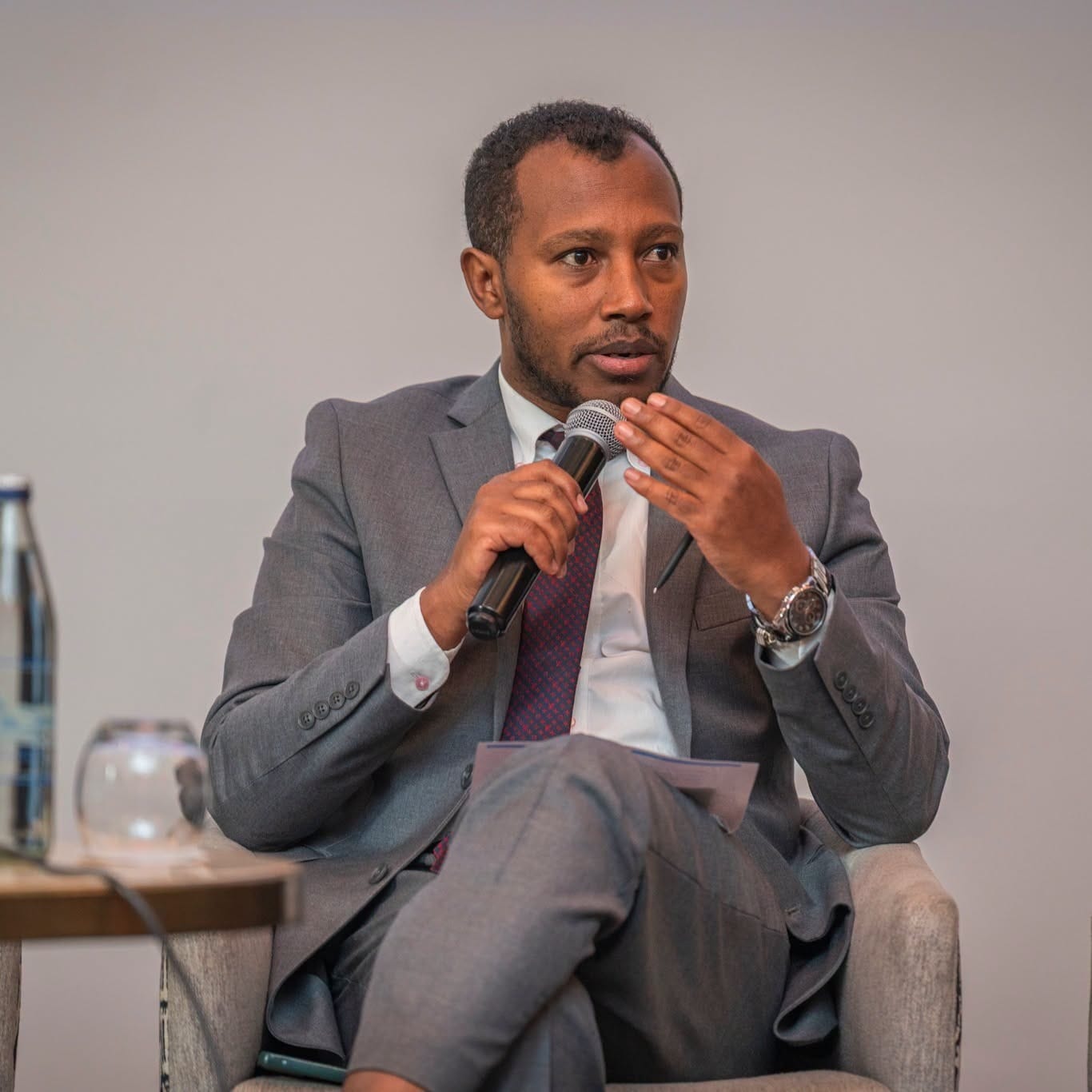
Progress happens when these actors move in the same direction. As one audience member asked during the discussion:
“What does it take for the public and private sectors to work together?”
Perhaps the answer is simple: Shared goals, mutual trust, and a recognition that inclusion is not the responsibility of one institution alone.
It is a collective effort.
A Commitment for the Future. At the conclusion of the plenary, participants were invited to make measurable commitments for the period leading to 2027.
On behalf of Shama, Aziz committed: “To help build the foundation of an ecosystem for refugee entrepreneurs in Ethiopia.”
This commitment reflects Shama’s belief that sustainable inclusion requires more than projects. It requires ecosystems. Ecosystems that connect entrepreneurs to markets. Ideas to opportunities. Skills to livelihoods. And people to possibility.
As Ethiopia continues advancing its digital transformation agenda, we look forward to contributing to a future where refugees and host communities are not left behind—but are active participants in shaping that future together.
Because the future of digital inclusion is not only about connecting people to the internet.