
Connecting Communities, Unlocking Futures
Mr. Aziz Hazizi, Founder and Director of Shama Institute for Cultural Exchange, joined the WSIS Forum 2026 High-Level Dialogue to share how refugee-led innovation, digital inclusion, and meaningful connectivity can create opportunities for refugees and host communities.
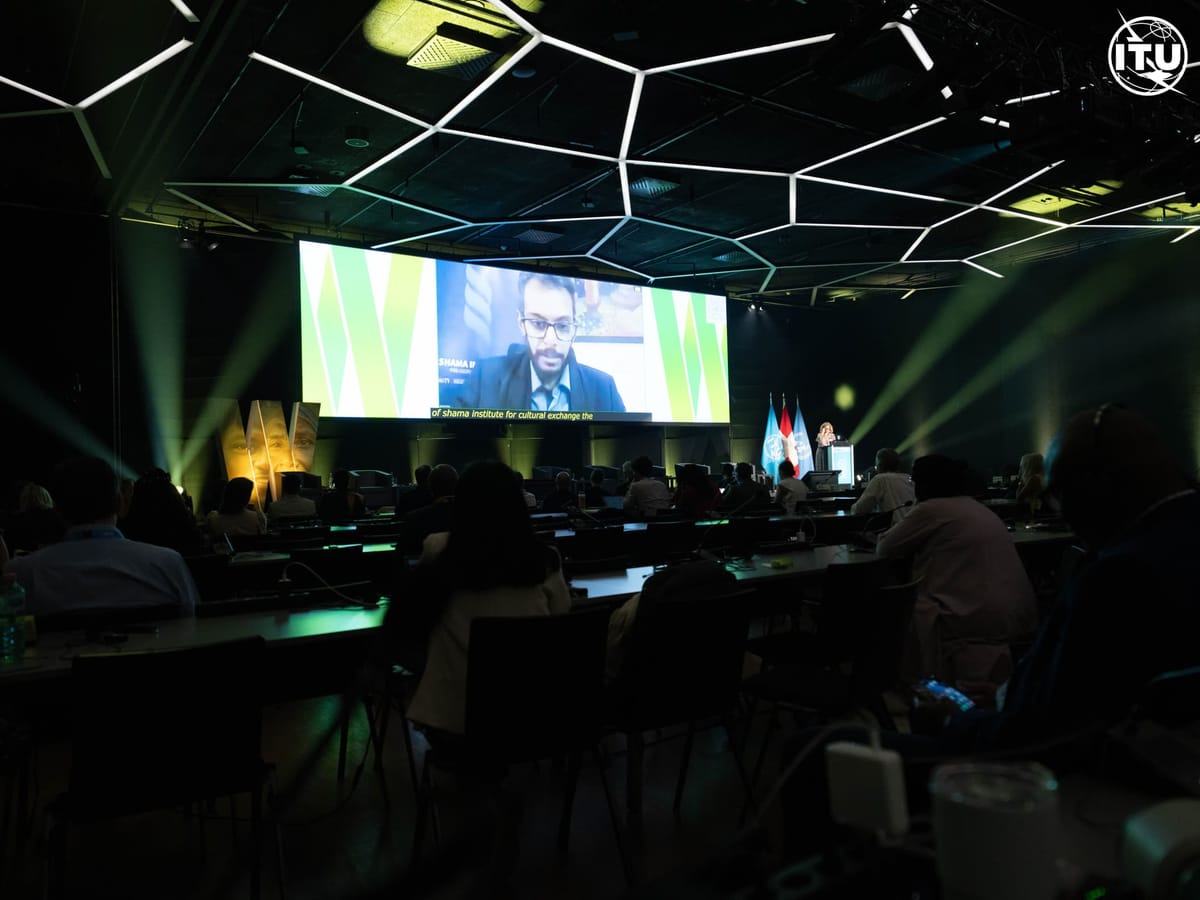
How WSIS Forum 2026 Advanced the Global Conversation on Digital Inclusion for Refugees and Host Communities
The rapid pace of digital transformation is reshaping how people learn, work, communicate, and access opportunities. While technology continues to create new possibilities around the world, it also raises an important question: How can we ensure that no one is left behind in the digital age?
For refugees and host communities, this question is particularly significant. Beyond access to the internet, meaningful digital inclusion requires access to education, digital skills, language learning, employment opportunities, and supportive ecosystems that enable individuals to participate fully in society and contribute to sustainable development.
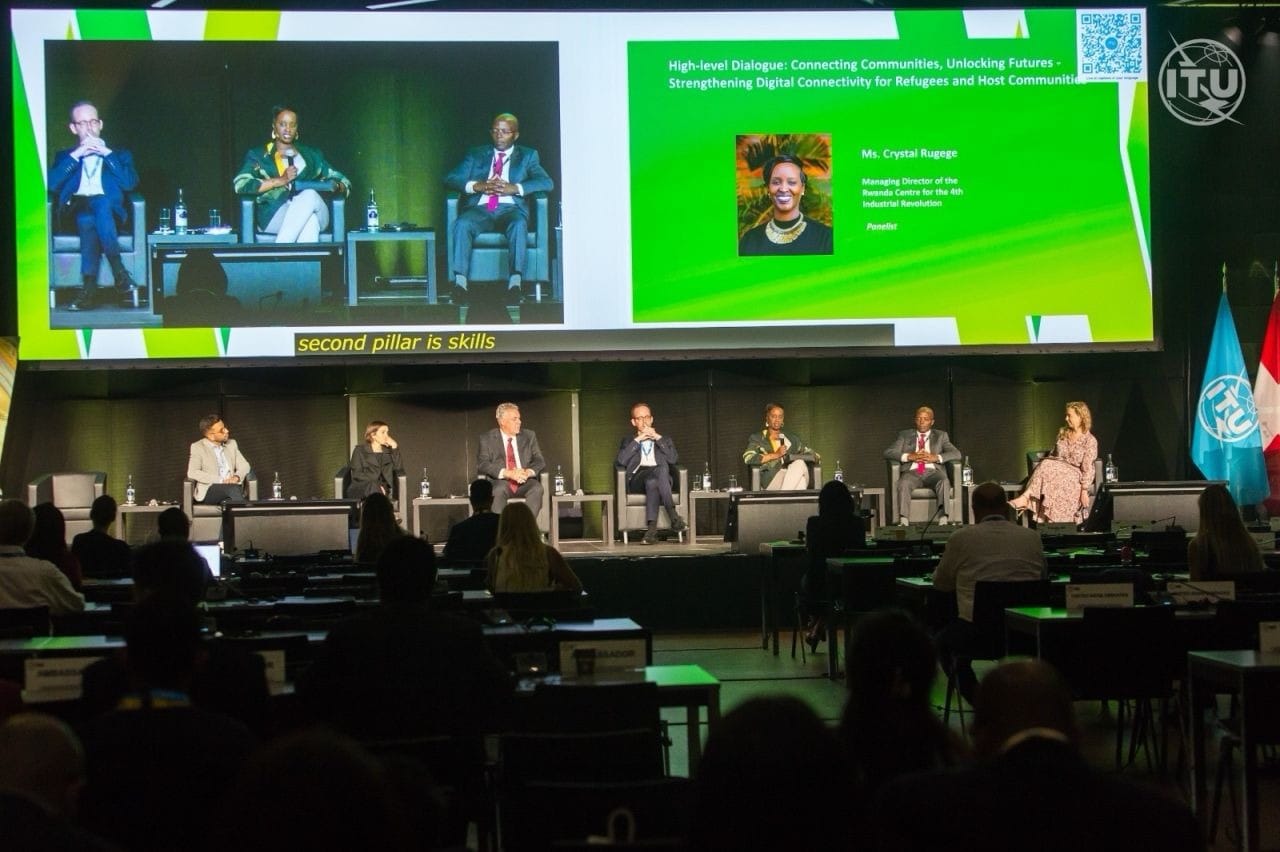
Against this backdrop, the World Summit on the Information Society (WSIS) Forum 2026 brought together governments, United Nations agencies, international organizations, the private sector, academia, and civil society to explore how information and communication technologies can accelerate sustainable development and promote more inclusive societies.
Among the Forum's high-level sessions, "Connecting Communities, Unlocking Futures: Strengthening Digital Connectivity for Refugees and Host Communities" focused on one of today's most pressing global priorities: ensuring that digital transformation benefits displaced populations and the communities that host them.
Rather than focusing solely on expanding internet access, the discussion explored a broader vision of digital inclusion one that combines connectivity with education, digital literacy, language empowerment, entrepreneurship, and opportunities for meaningful participation.
The session emphasized that access to technology alone is not enough. Digital transformation creates lasting impact only when people have the knowledge, skills, and opportunities to use technology to improve their lives, contribute to their communities, and participate in the digital economy.
Participants also highlighted the importance of shifting the global conversation from viewing refugees primarily as beneficiaries of humanitarian assistance to recognizing them as active contributors, innovators, entrepreneurs, and partners in designing sustainable solutions.
A central theme throughout the dialogue was the growing importance of Refugee-Led Innovation. Rather than designing solutions exclusively for refugees, speakers emphasized the value of designing solutions with refugees drawing on their lived experiences, local knowledge, and innovative ideas to create more relevant, inclusive, and sustainable outcomes.
The discussion further underscored that achieving meaningful digital inclusion requires collaboration across sectors. Governments, international organizations, the private sector, educational institutions, civil society, and refugee-led organizations all have complementary roles in building digital ecosystems that create opportunities, strengthen resilience, and foster social cohesion.
It was within this global conversation that Mr. Aziz Hazizi, Founder and Director of Shama Institute for Cultural Exchange, joined the high-level dialogue through virtual participation from Ethiopia, bringing the perspective of a refugee-led social enterprise working to strengthen inclusion through language, cultural exchange, education, and community-driven innovation.
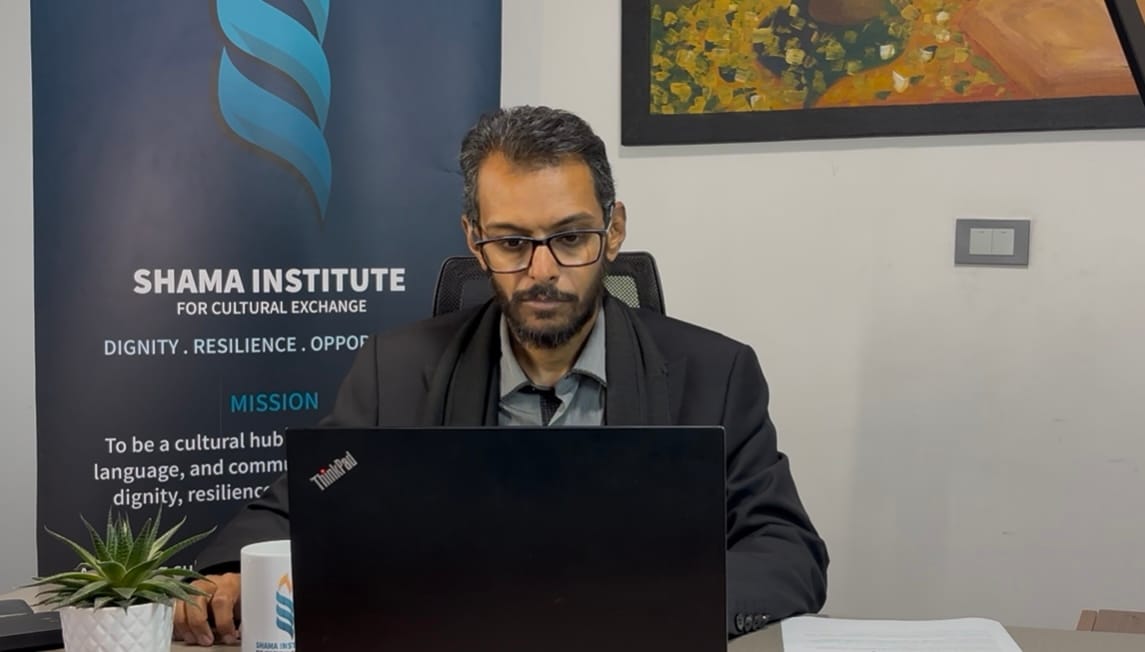
Bringing Refugee-Led Innovation to the Global Stage
Mr. Aziz Hazizi’s participation in WSIS Forum 2026 represented more than a contribution to an international discussion; it reflected the growing recognition that refugee-led organizations have an important role in shaping solutions for more inclusive societies.
Through his virtual participation from Ethiopia, Mr. Hazizi brought a community-based perspective to a global conversation on digital inclusion, highlighting how local experiences can contribute to international efforts to address displacement, connectivity, and opportunity.
His contribution reflected a key message from the dialogue: refugees should not only be recognized through the challenges they face, but also through the knowledge, skills, experiences, and ideas they bring.
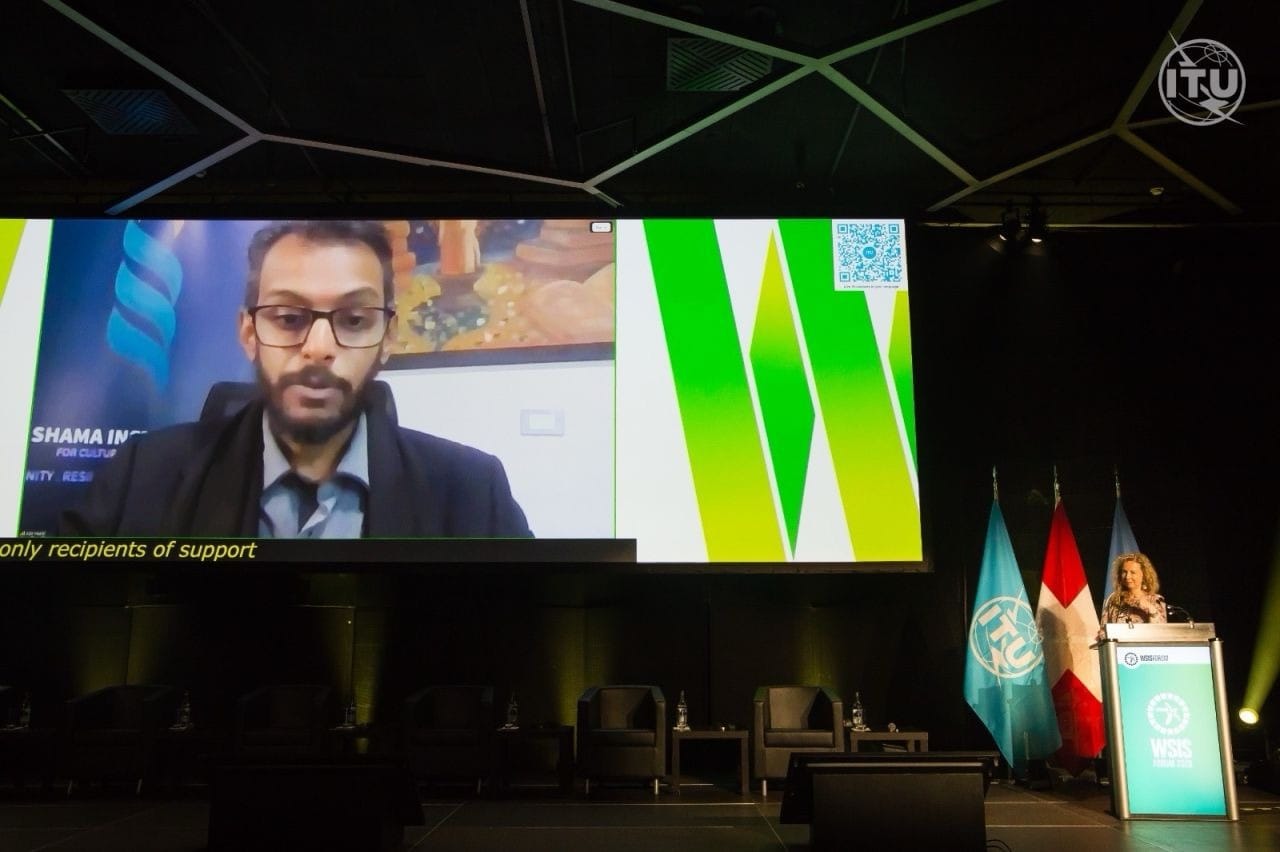
As the Founder and Director of Shama Institute for Cultural Exchange, Mr. Hazizi shared a perspective shaped by the experience of building a refugee-led social enterprise that focuses on language empowerment, cultural exchange, education, and community driven innovation.
From Digital Connectivity to Meaningful Opportunities
Building on his experience as the founder of Ethiopia’s first refugee-owned company, Mr. Aziz Hazizi shared how digital technology has become a catalyst for opportunity, inclusion, and economic participation for refugees and host communities alike.
During the High-Level Dialogue, the discussion turned to Shama Institute for Cultural Exchange and the role digital technology has played in expanding opportunities for refugees. Reflecting on the organization’s journey, Mr. Hazizi explained that Shama was intentionally established as a social enterprise founded on the principles of self-reliance, opportunity, and dignity.
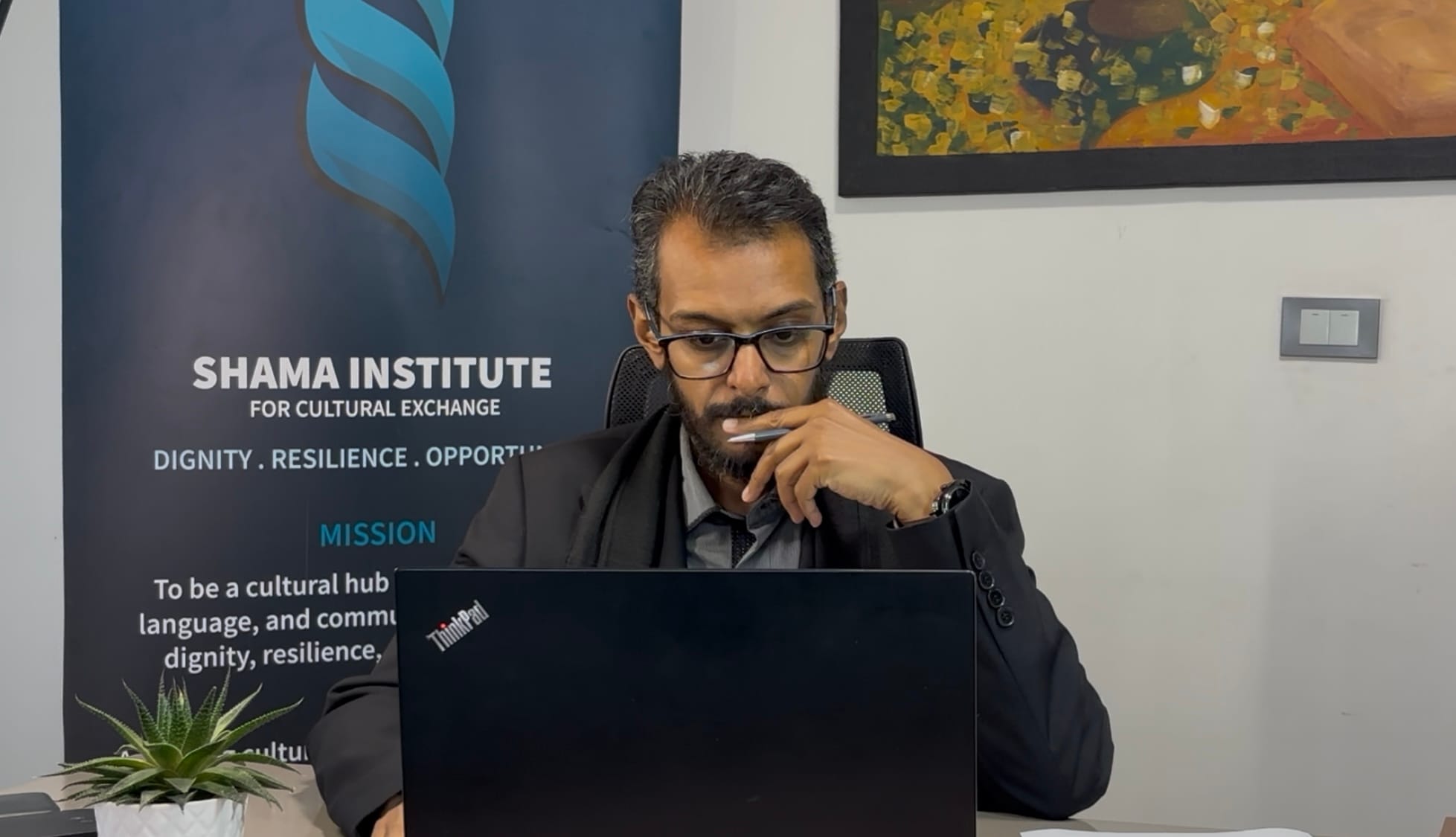
Rather than viewing digital technology as an objective in itself, Shama has embraced it as a tool for creating meaningful opportunities. Through digital platforms and innovative learning approaches, the organization has connected learners, educators, interpreters, and communities across different locations and backgrounds, helping to overcome barriers related to language, access to information, professional networks, and mobility.
Drawing on his own experience as both a refugee and an entrepreneur, Mr. Hazizi emphasized that refugees do not lack talent, ambition, or innovative ideas. What they often lack is access to opportunities, digital skills, and the networks that enable their potential to flourish.
Summarizing one of the key lessons from Shama’s experience, he remarked:
“Connectivity is the foundation, but opportunity is the outcome.”
He further explained that meaningful connectivity extends far beyond internet access. It enables individuals to acquire new skills, access information, secure employment, establish businesses, reach new markets, and actively contribute to the social and economic development of their communities.
Connecting Refugees to Opportunity, Not Just the Internet
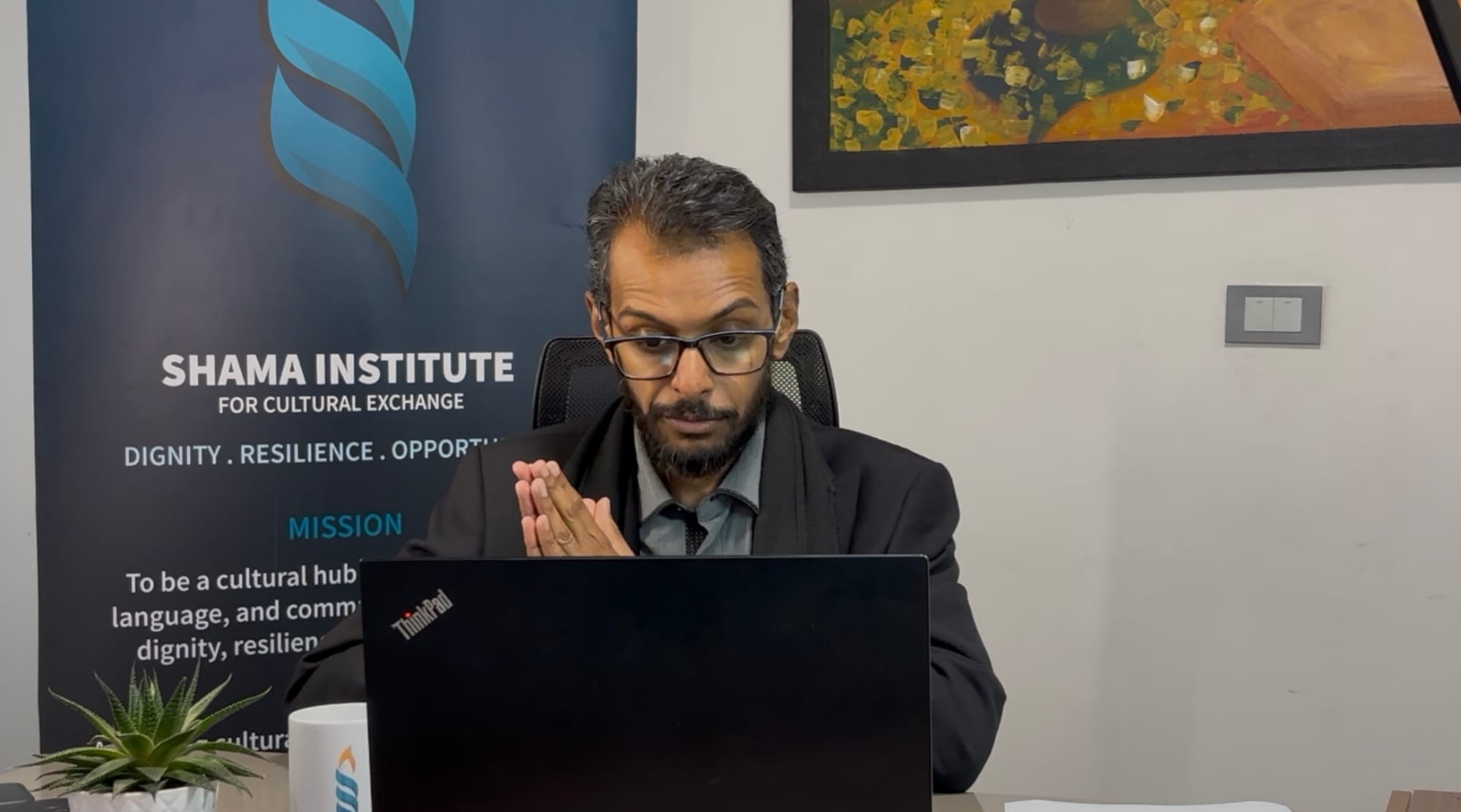
The dialogue then shifted from Shama's experience to a broader policy discussion, inviting Mr. Hazizi to share his message with leaders, policymakers, companies, and international organizations on why meaningful digital connectivity matters for refugees.
His response focused on a simple yet powerful principle:
“The goal is not simply to connect refugees to the internet. The goal is to connect refugees to opportunity.”
Mr. Hazizi emphasized that the success of digital inclusion should not be measured solely by the number of people connected to the internet, but by the opportunities that connectivity creates in their lives. True digital inclusion enables people to continue learning, access livelihoods, establish businesses, reach markets, and participate fully in society.
He also encouraged a broader shift in how refugees are perceived. Rather than viewing refugees only through the lens of vulnerability, he highlighted the knowledge, resilience, creativity, and innovation they bring to their communities. When provided with meaningful digital access, affordable connectivity, relevant skills, and opportunities for economic participation, refugees become not only users of technology, but creators of value and drivers of innovation.
For Shama Institute for Cultural Exchange, meaningful inclusion goes beyond access to technology. It is about empowering people to participate, contribute, and thrive while building stronger, more inclusive communities.
Building a More Inclusive Digital Future
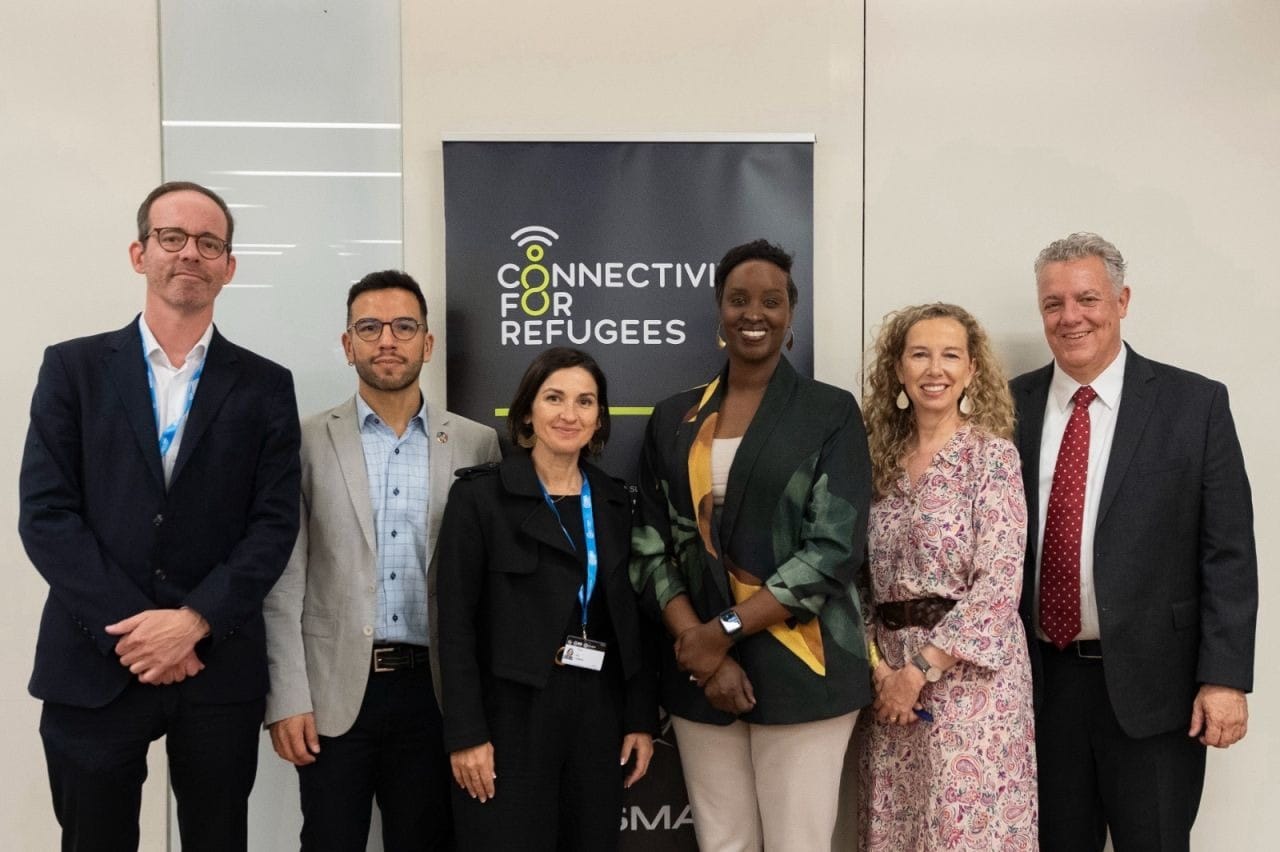
The conversation at WSIS Forum 2026 highlighted an important shift in the way digital inclusion is understood. Connectivity is no longer only about providing access to technology; it is about creating the conditions that allow people to learn, innovate, participate, and contribute.
Through Shama Institute for Cultural Exchange, Mr. Aziz Hazizi continues to demonstrate how refugee-led initiatives can play an active role in building inclusive solutions. By combining language empowerment, cultural exchange, education, and digital innovation, Shama is creating pathways that connect people with opportunities and strengthen community participation.
The experience shared during the dialogue reflects a broader message: when refugees are given access to meaningful opportunities, they are not only able to rebuild their own futures, but also contribute to the societies they are part of.
As global discussions continue around digital inclusion and the future of connectivity, refugee-led organizations such as Shama represent the importance of ensuring that refugees are included not only as beneficiaries of solutions, but also as partners, innovators, and contributors to creating them.
For Shama Institute for Cultural Exchange, participating in WSIS Forum 2026 reaffirmed the importance of ensuring that refugee-led voices are represented in global conversations on digital transformation. By sharing practical experiences and community-led solutions, Shama continues to advocate for a future where technology serves as a pathway to opportunity, inclusion, and sustainable development for refugees and host communities alike.
Because a truly connected world is one where everyone has the opportunity to participate, contribute, and thrive. This vision embodies the spirit of the WSIS Forum 2026 dialogue connecting communities, unlocking futures, and ensuring that digital transformation creates equitable opportunities for everyone.