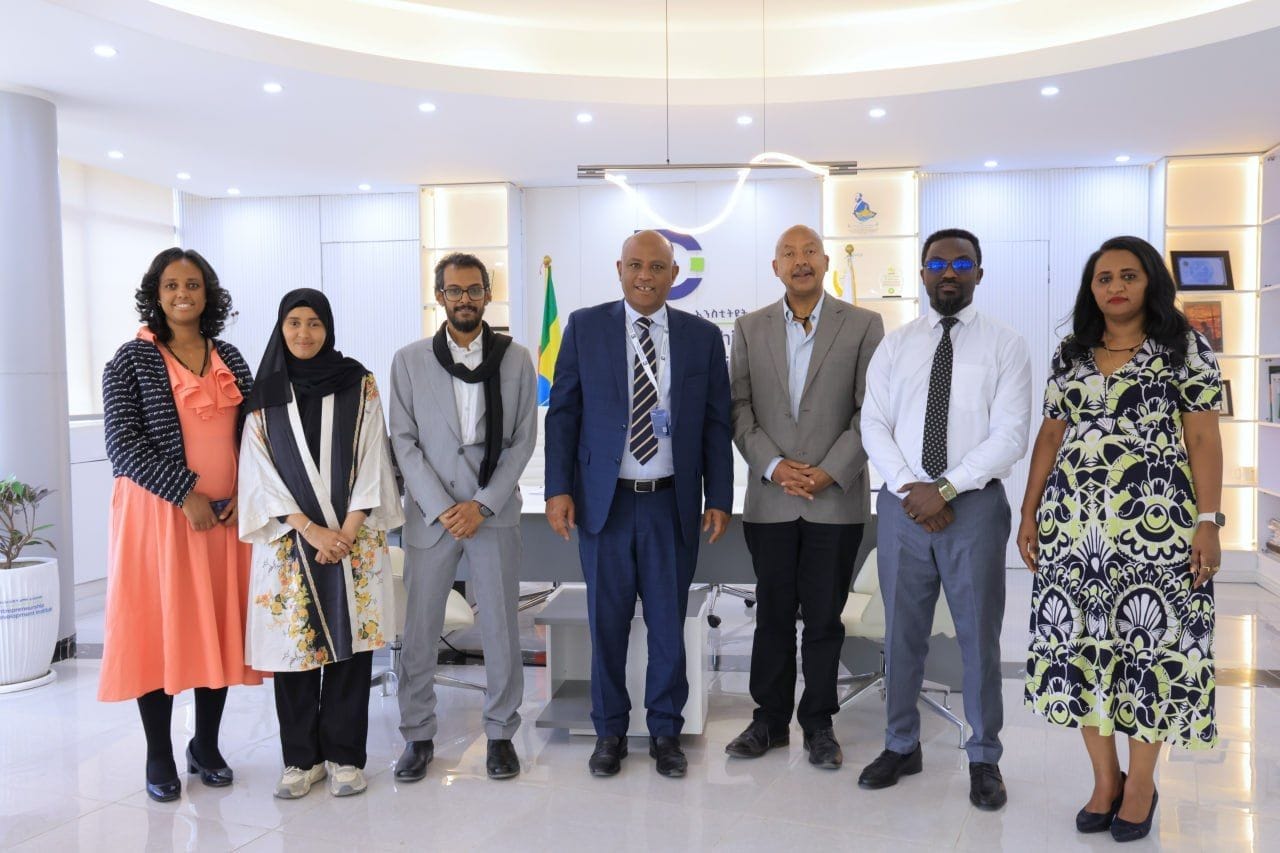
From Potential to Opportunity: ReSEE and EDI Partner to Advance Refugee Entrepreneurship in Ethiopia
Building inclusive pathways that support refugee entrepreneurship, economic inclusion, self-reliance, and sustainable livelihoods in Ethiopia.
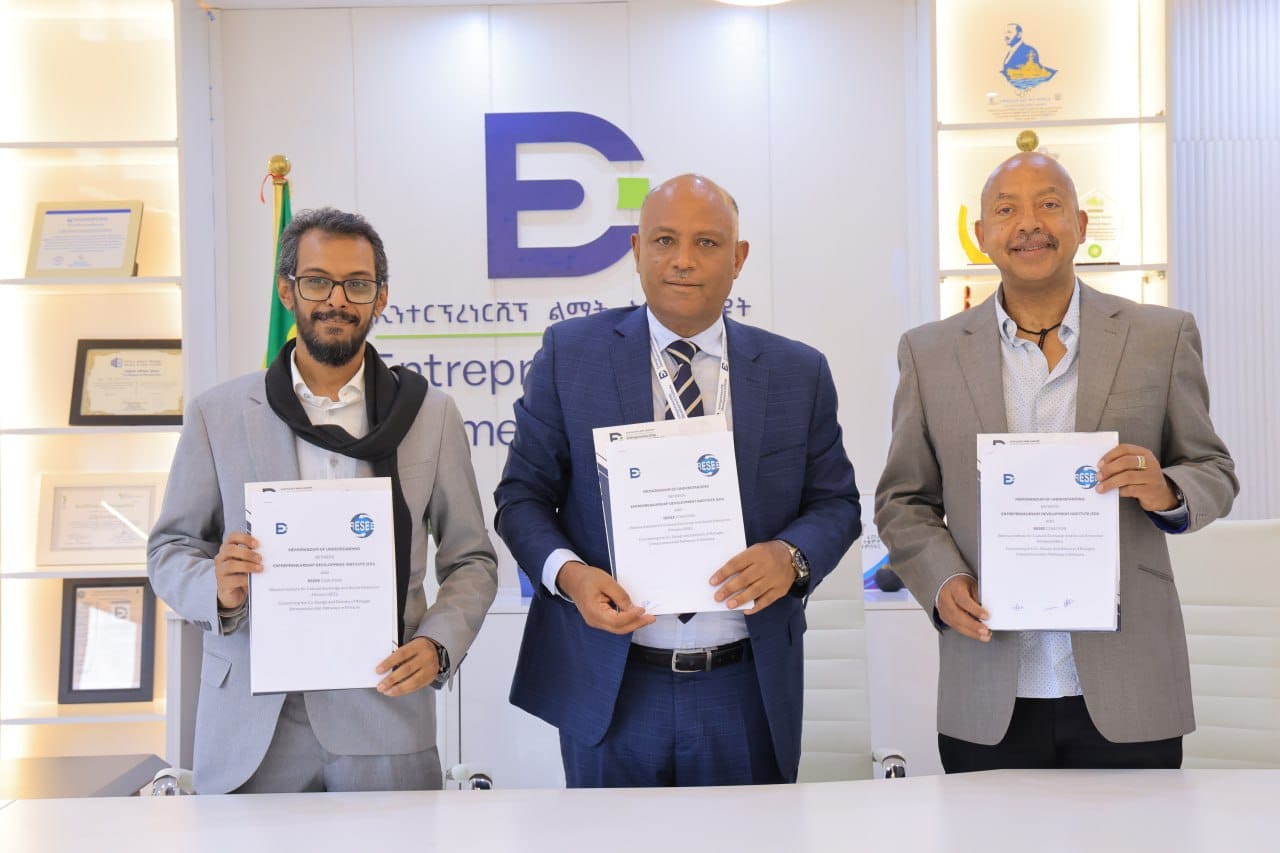
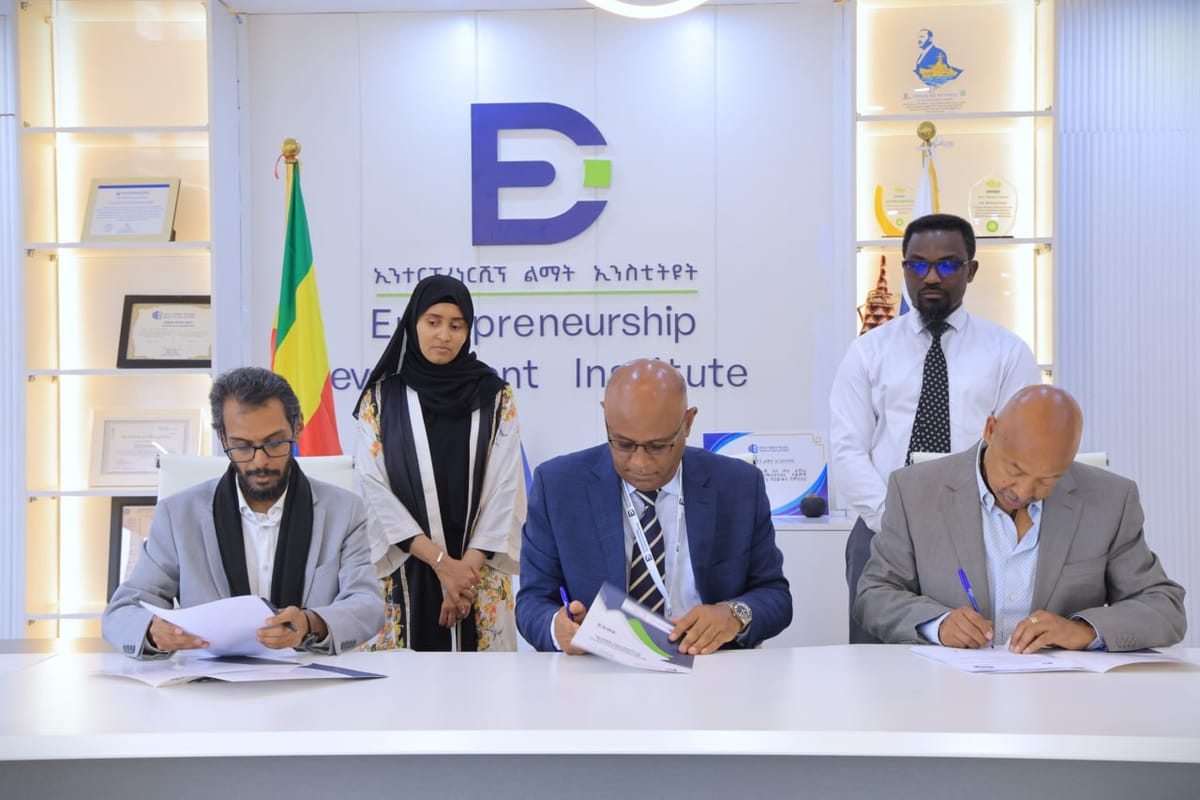
The Vision Behind ReSEE The signing of a Memorandum of Understanding (MoU) between ReSEE and the Entrepreneurship Development Institute (EDI) marks an important milestone in advancing refugee entrepreneurship, economic empowerment, and economic inclusion in Ethiopia.
More than a formal partnership, this collaboration reflects a shared commitment to creating sustainable pathways that enable refugees to build skills, strengthen their economic participation, and unlock opportunities for long-term growth and self-reliance. At its core, the partnership is rooted in a simple but powerful belief: refugees possess immense potential, and when provided with the right opportunities, support systems, and enabling environments, they can become entrepreneurs, innovators, job creators, and active contributors to economic development.
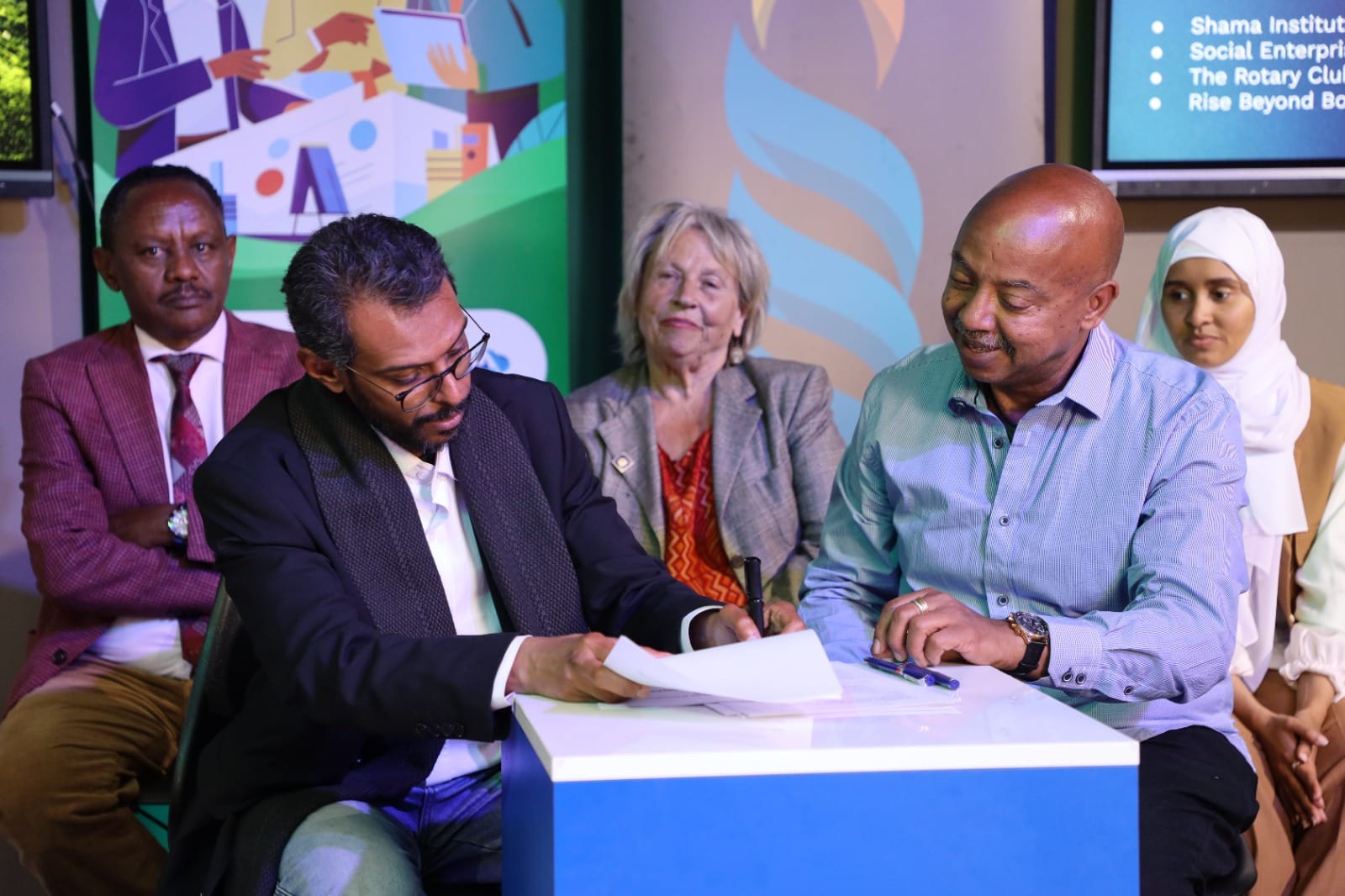
ReSEE was established as a collaborative initiative between Shama Institute for Cultural Exchange and Social Enterprise Ethiopia (SEE), bringing together complementary expertise in community engagement, social innovation, and economic empowerment.
The initiative emerged from a growing recognition that many refugees possess valuable knowledge, professional experience, entrepreneurial aspirations, and untapped talents. Yet despite this potential, access to entrepreneurship support, business development opportunities, and structured economic pathways remains limited for many displaced communities.
While humanitarian assistance continues to play a vital role in addressing immediate needs, long-term resilience requires more than short-term support. Sustainable solutions must create opportunities for individuals to strengthen their capabilities, develop economic independence, and participate meaningfully in local economies.
ReSEE was created to help bridge this gap.
Rather than viewing refugees solely through the lens of vulnerability, ReSEE recognizes them as individuals with ideas, ambitions, skills, and the capacity to contribute. The initiative seeks to support a shift from dependency toward opportunity by helping refugees access the knowledge, confidence, and entrepreneurial readiness needed to pursue sustainable economic futures.
"Refugees are not only recipients of support; they can also be entrepreneurs, trainers, job creators, innovators, and active contributors to local economic development."
Beyond Training: Building Refugee Entrepreneurship Pathways
One of the defining features of ReSEE is its focus on building Refugee Entrepreneurship Pathways rather than delivering stand-alone training programs.
Entrepreneurship development is rarely achieved through a single workshop or short-term intervention. Individuals often require a journey that includes awareness, mindset development, skills building, confidence, practical exposure, and preparation for market participation.
For this reason, ReSEE is designed as a pathway-based approach that supports refugees through multiple stages of entrepreneurial development.
The initiative aims to help participants: . Develop an entrepreneurial mindset and greater confidence in their abilities. . Strengthen foundational business and livelihood skills. . Improve readiness for economic participation and self-employment. . Access entrepreneurship learning opportunities that are relevant to their context. . Explore pathways toward enterprise creation, market participation, and sustainable livelihoods.
This approach reflects the belief that successful entrepreneurship is not only about business knowledge; it is also about preparedness, resilience, adaptability, and access to opportunity.
Why Entrepreneurship Matters for Refugee Communities
Around the world, entrepreneurship is increasingly recognized as a powerful tool for economic inclusion and self-reliance among displaced populations.
For refugees, entrepreneurship can create opportunities to generate income, build independence, strengthen confidence, and contribute to their communities. It can also support broader economic development by creating jobs, stimulating local markets, encouraging innovation, and strengthening connections between refugee and host communities.
ReSEE embraces entrepreneurship not merely as a means of income generation, but as a pathway toward dignity, participation, and long-term resilience.
The initiative is guided by the conviction that refugees should not be seen only as recipients of support. They can also be entrepreneurs, trainers, mentors, innovators, business owners, job creators, and contributors to local economic development.
The Strategic Importance of the Partnership with EDI The partnership with the Entrepreneurship Development Institute (EDI) represents an important step toward transforming this vision into action.
As a leading institution in entrepreneurship development, EDI brings extensive technical expertise in entrepreneurship training, business development, curriculum design, capacity building, and ecosystem strengthening.
Through this collaboration, ReSEE and EDI will work together to co-design and support Refugee Entrepreneurship Pathways that respond to the realities, aspirations, and diverse needs of refugee communities in Ethiopia.
The partnership is expected to contribute to:
. The development of structured entrepreneurship pathways for refugees. . Multilingual Training of Trainers (ToT) programs that expand local delivery capacity. . Adaptation of entrepreneurship curricula to refugee contexts and varying literacy levels. . Promotion of inclusive entrepreneurship and accessible entrepreneurship education. . Strengthening entrepreneurial readiness and confidence among participants. . Building foundations for future enterprise development and market-entry opportunities.
Importantly, the partnership recognizes that refugee communities are diverse. Effective entrepreneurship support requires approaches that are inclusive, culturally relevant, and responsive to different educational backgrounds, languages, and lived experiences.
Supporting Inclusive Entrepreneurship
Inclusive Entrepreneurship is a central principle of both ReSEE and EDI.
Many refugees face barriers that extend beyond access to finance or business knowledge. These may include language barriers, interrupted education, limited professional networks, displacement-related challenges, and restricted access to economic opportunities.
Addressing these barriers requires more than traditional entrepreneurship training.
By promoting inclusive entrepreneurship, ReSEE seeks to ensure that opportunities are accessible to individuals from diverse backgrounds and circumstances. The initiative aims to create learning environments that recognize participants’ strengths while responding to the realities they face.
This approach contributes not only to individual empowerment but also to broader social and economic inclusion.
This approach contributes not only to individual empowerment but also to broader social and economic inclusion.
Contributing to Ethiopia’s Economic Inclusion Agenda
The partnership also aligns with Ethiopia’s broader efforts to strengthen economic inclusion, refugee participation, and self-reliance.
Across the country, increasing attention is being given to creating pathways that enable refugees to contribute more actively to economic life while building sustainable livelihoods for themselves and their families.
By investing in entrepreneurship development, skills building, and economic empowerment, ReSEE seeks to contribute to these efforts and support more inclusive economic growth.
The initiative recognizes that empowering refugees economically benefits not only individuals but also communities, local markets, and broader development outcomes.
Looking Ahead
The signing of this Memorandum of Understanding marks the beginning of an exciting new chapter for ReSEE and EDI.
Together, the two organizations will work toward building scalable, sustainable, and inclusive entrepreneurship pathways that help refugees transform their skills, ideas, and aspirations into meaningful economic opportunities.
The long-term vision is to establish a model that can expand across different refugee communities and regions of Ethiopia, creating greater access to entrepreneurship support, economic participation, and sustainable livelihood opportunities.
Ultimately, ReSEE seeks to help create a future in which refugees are recognized not for the barriers they face, but for the potential they hold and the contributions they can make.
"Together, we are building pathways from potential to opportunity."