From Solidarity to Empowerment: World Refugee Day 2026 in Addis Ababa Highlights Refugee Leadership in Shaping Solutions
World Refugee Day 2026 in Addis Ababa, held under the theme “Until Everyone is Safe”, showcased refugee-led leadership and collaboration with UNHCR and partners, affirming that refugees are not defined by displacement but by resilience and contribution.
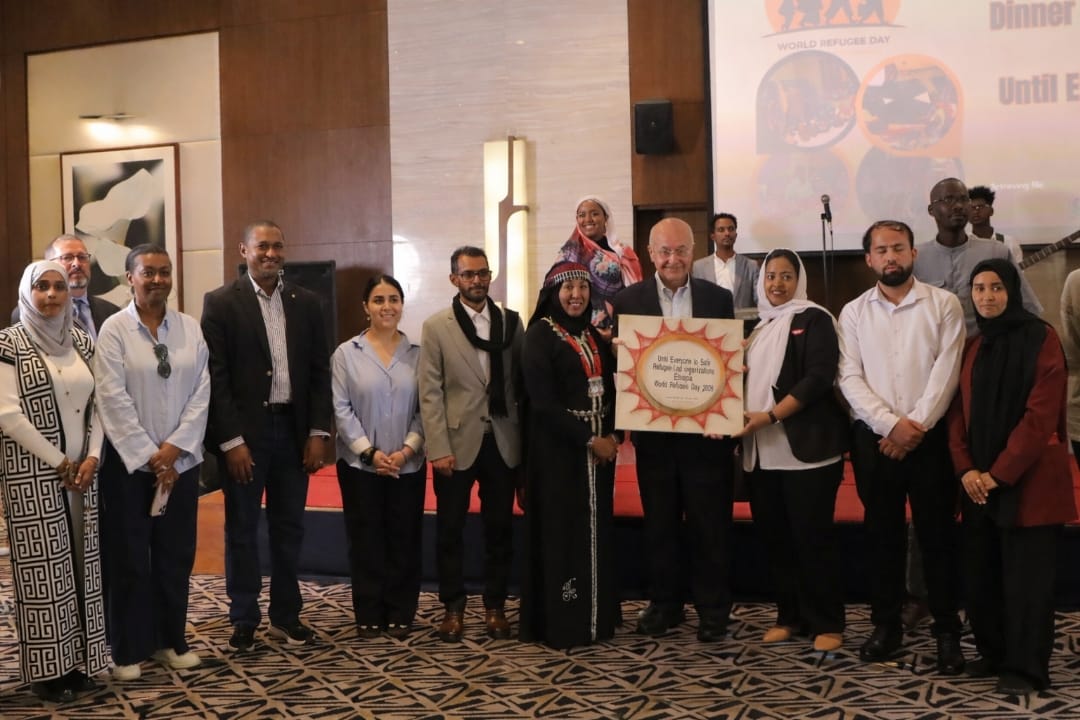
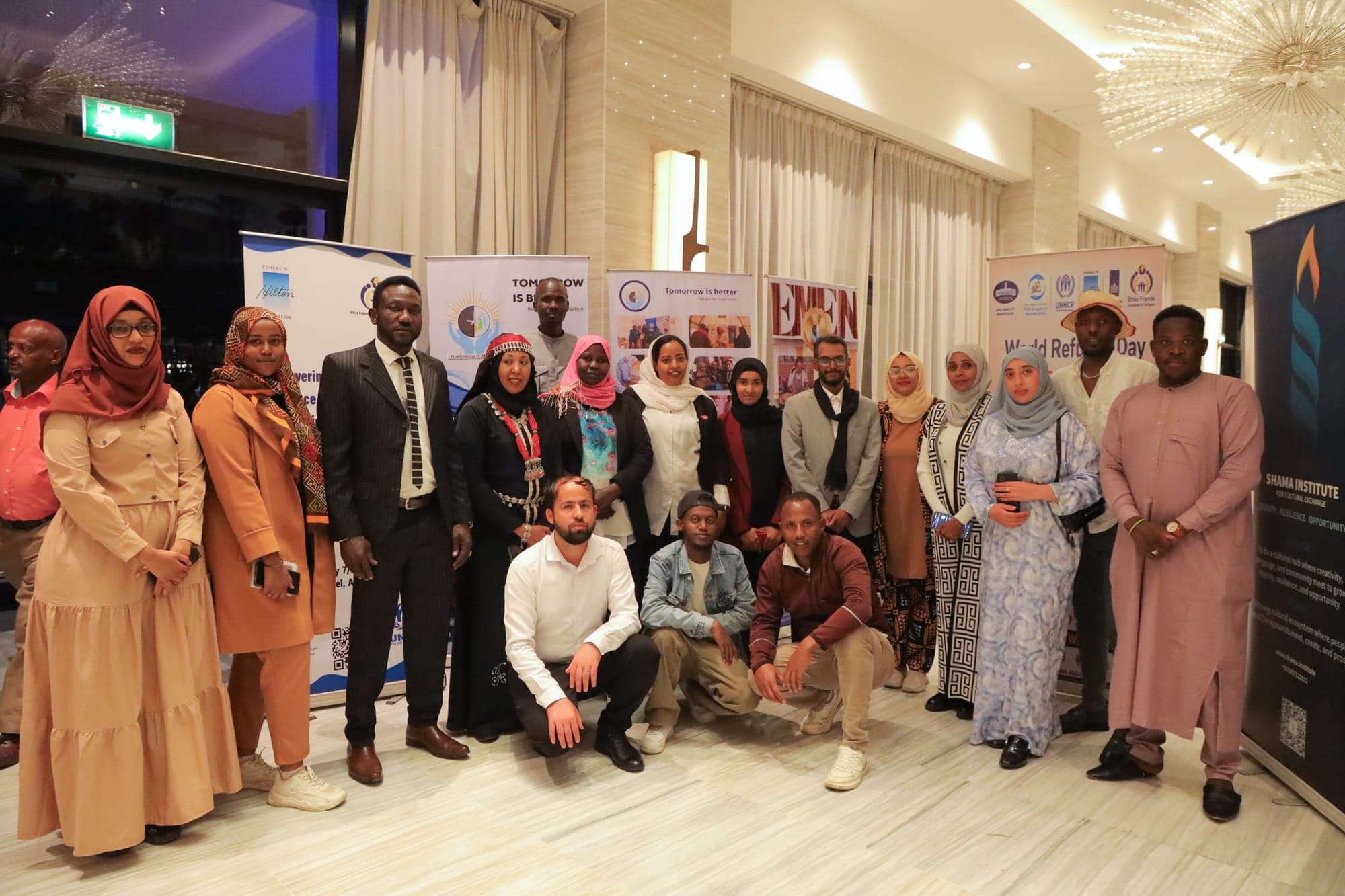
A World Refugee Day 2026 event in Addis Ababa, highlighting refugee leadership, inclusion, and cooperation with UNHCR and NGO partners.
World Refugee Day 2026 was held under the global theme: “Until Everyone is Safe.”
Addis Ababa, Ethiopia
At a time when forced displacement continues to rise globally, humanitarian funding is shrinking, and narratives around refugees are increasingly challenged, World Refugee Day 2026 in Addis Ababa, Ethiopia, stood out as more than a commemorative event. It became a high-level platform for dialogue, reflection, and action on the future of refugee inclusion, self-reliance, and shared responsibility.
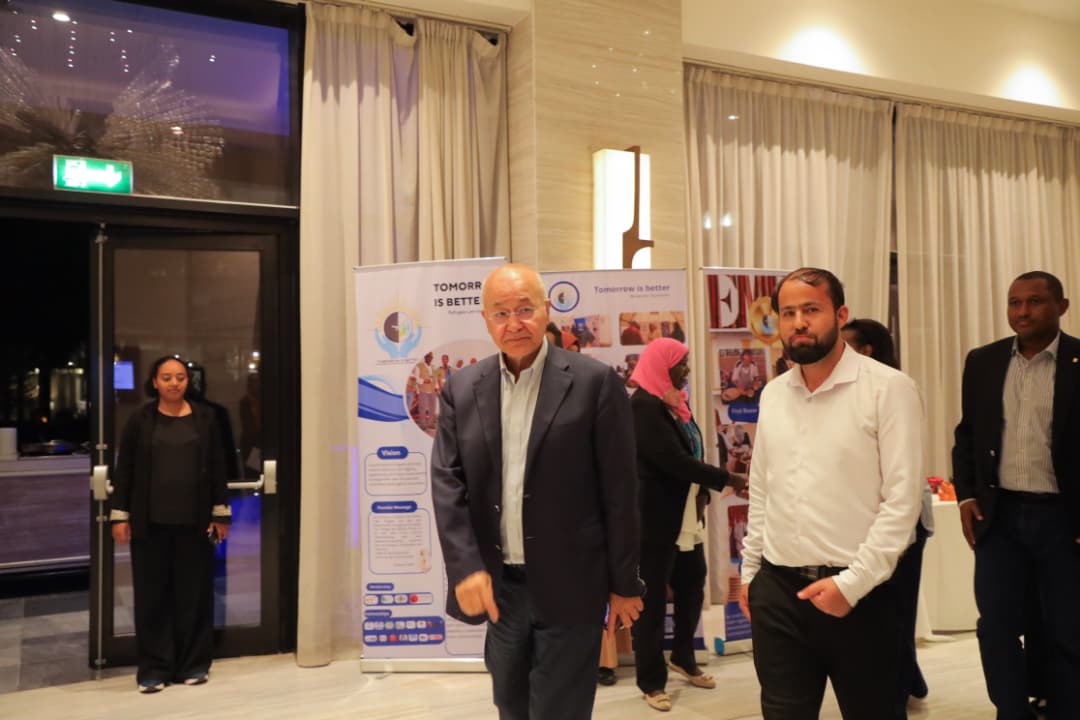
The central message of the event was clear and consistent: refugees are not merely recipients of humanitarian assistance, but active contributors, leaders, and partners in shaping solutions that affect their lives and communities.
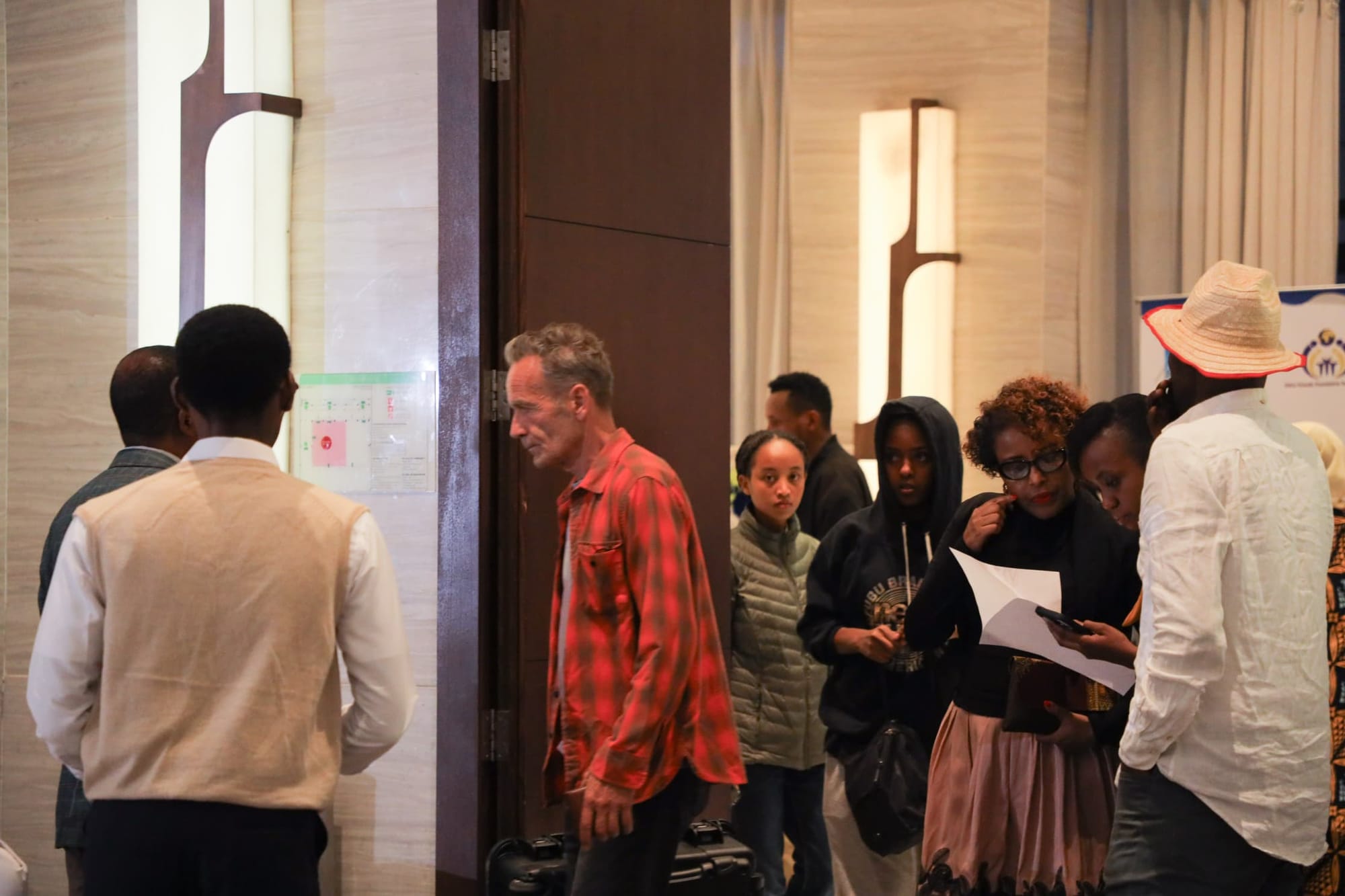
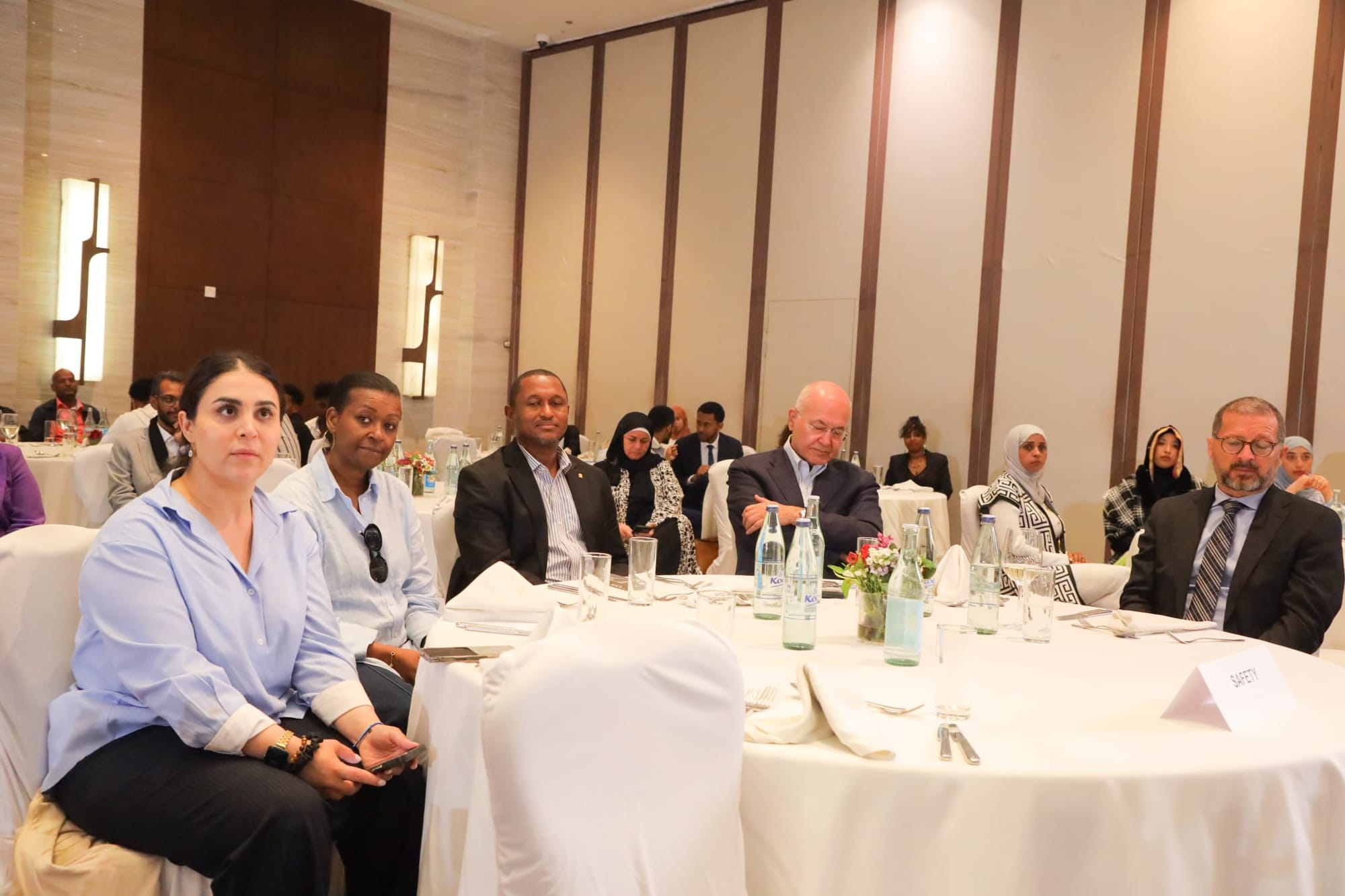
The event brought together UNHCR representatives, representatives of government institutions, diplomatic missions, development partners, refugee-led organizations, and community leaders.
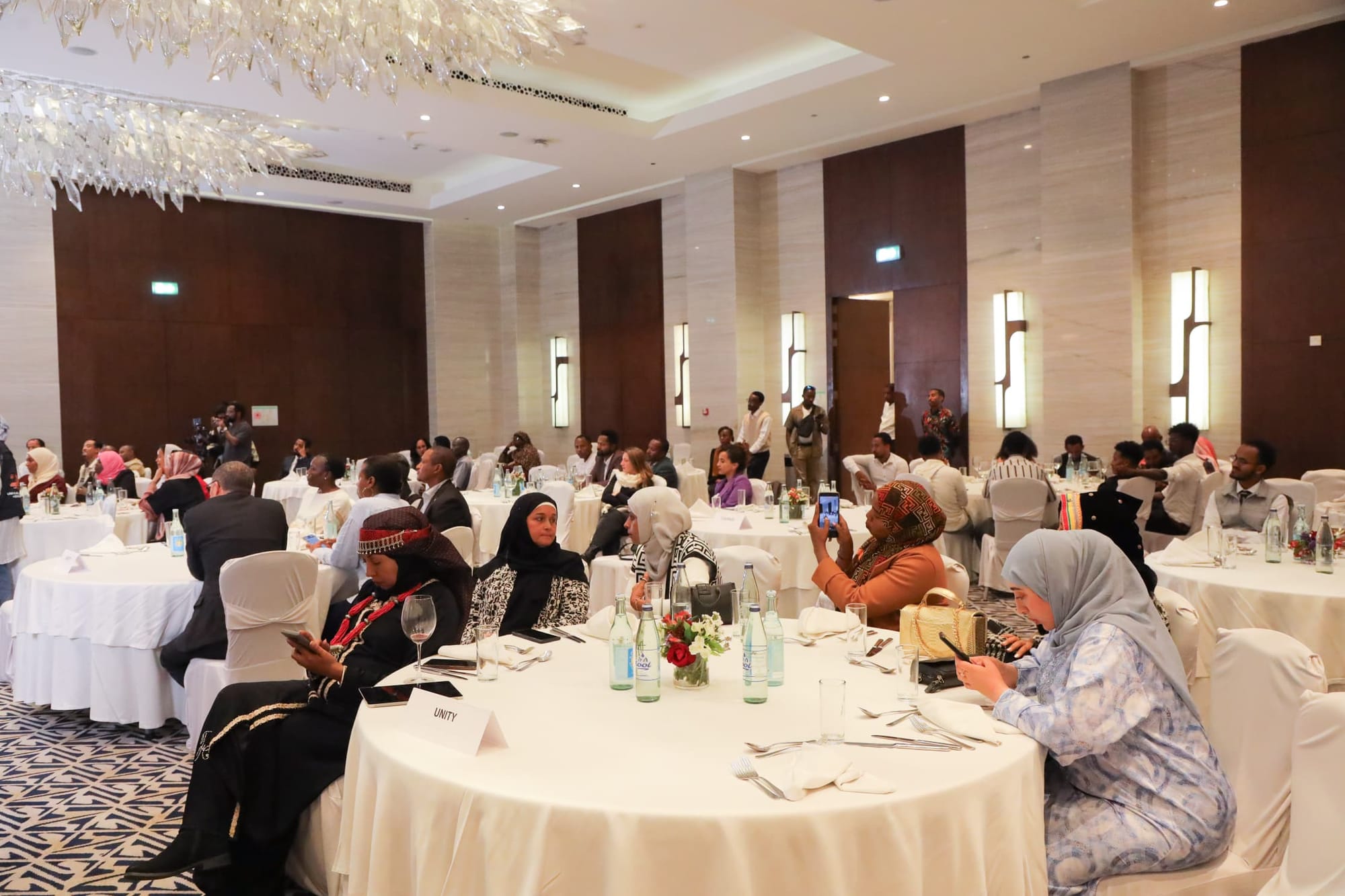
A Refugee-Led Collaboration at the Core of the Event
What made this event particularly significant was not only its theme, but also its structure and leadership. World Refugee Day 2026 in Addis Ababa was jointly organized by three refugee-led organizations: . Shama Institute for Cultural Exchange . Ethio Friends Foundation for Refugees. . Tomorrow Is Better (TiB) In collaboration with the Refugees Seeking Equal Access at the Table (R‑SEAT) network.
This collective effort represents a growing transformation in humanitarian practice, where refugee-led organizations are no longer positioned solely as beneficiaries or participants, but as organizers, designers, and leaders of impactful initiatives.
The collaboration demonstrated that when refugee communities are trusted and supported, they are fully capable of coordinating complex, high-level events that bring together international stakeholders, governments, and humanitarian actors around shared goals.
It also reflected a broader shift toward localization, where decision-making and implementation are increasingly driven by those closest to the realities of displacement.
Opening Ceremony: Culture, Identity, and Inclusion
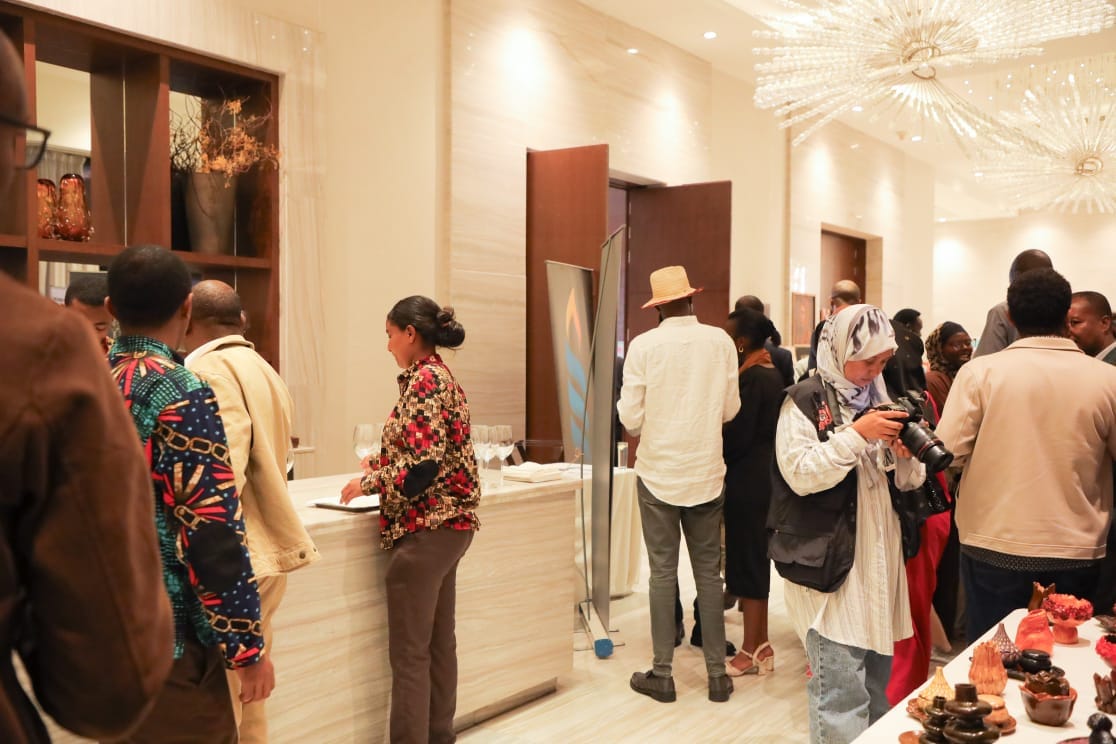
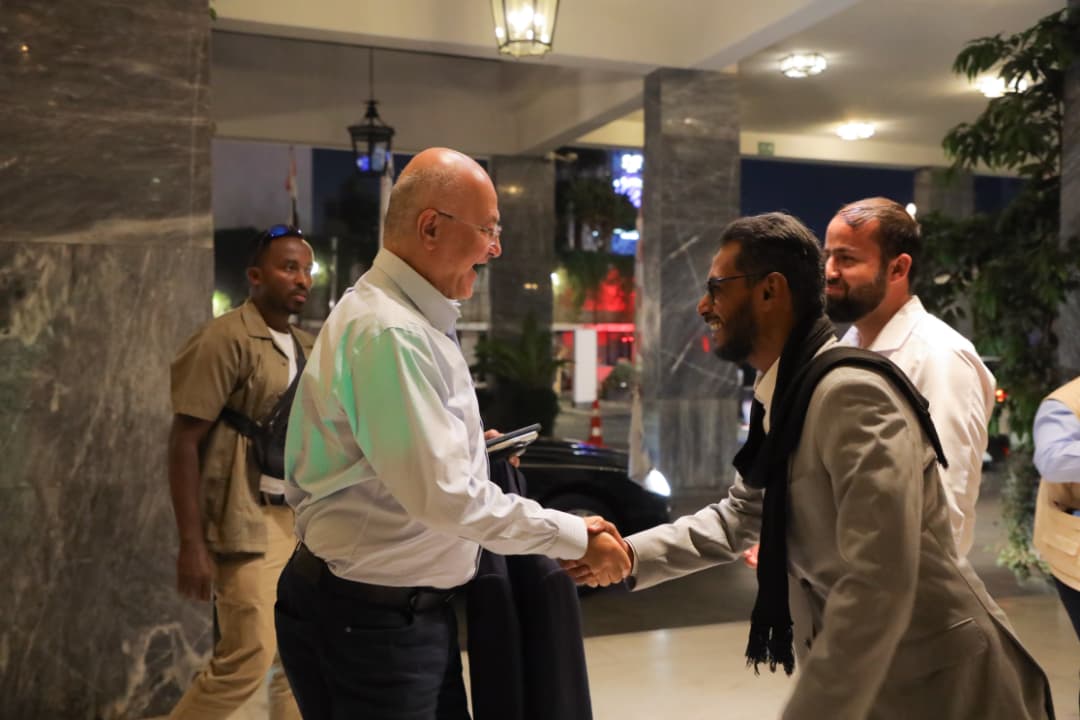
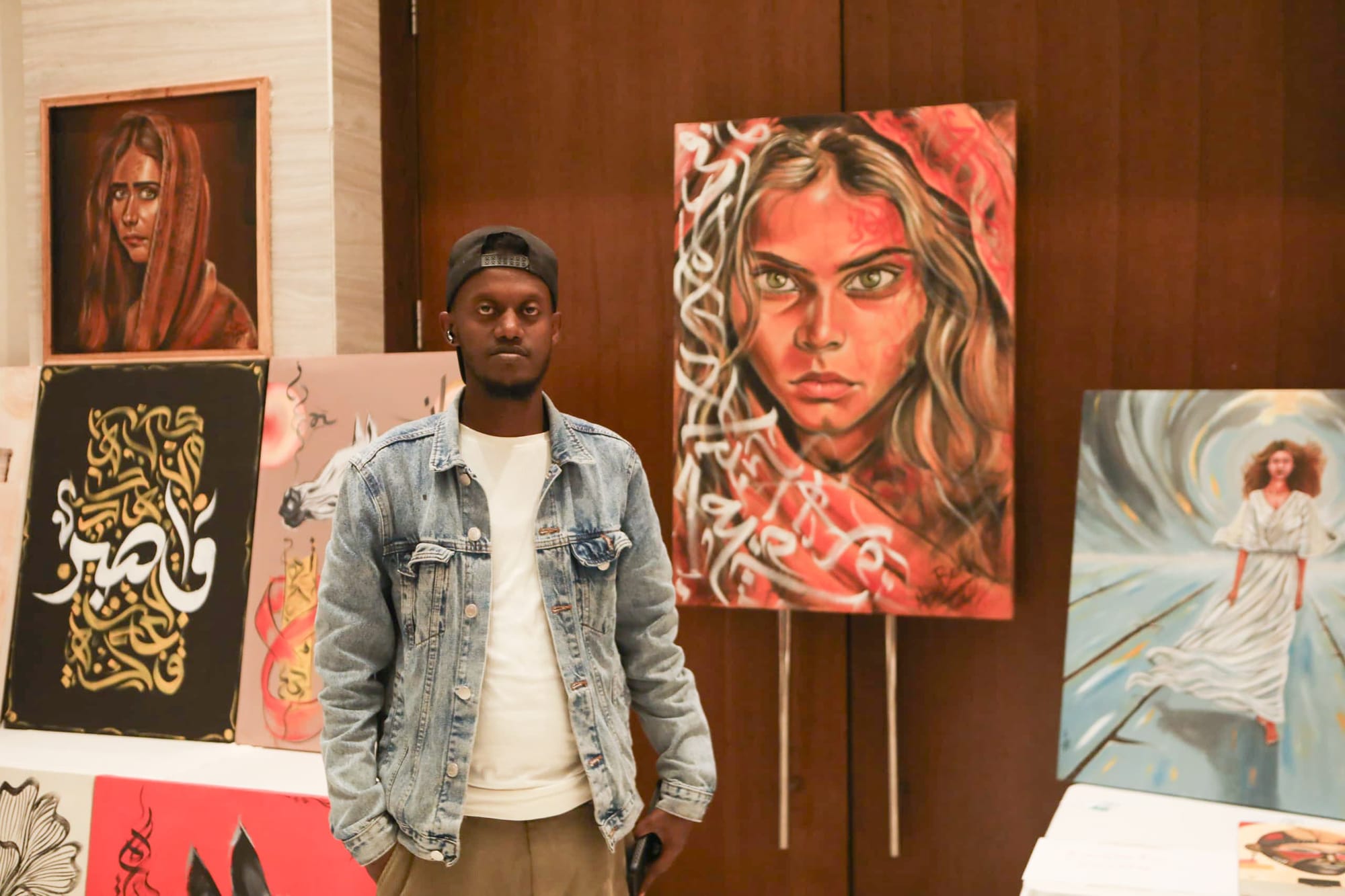
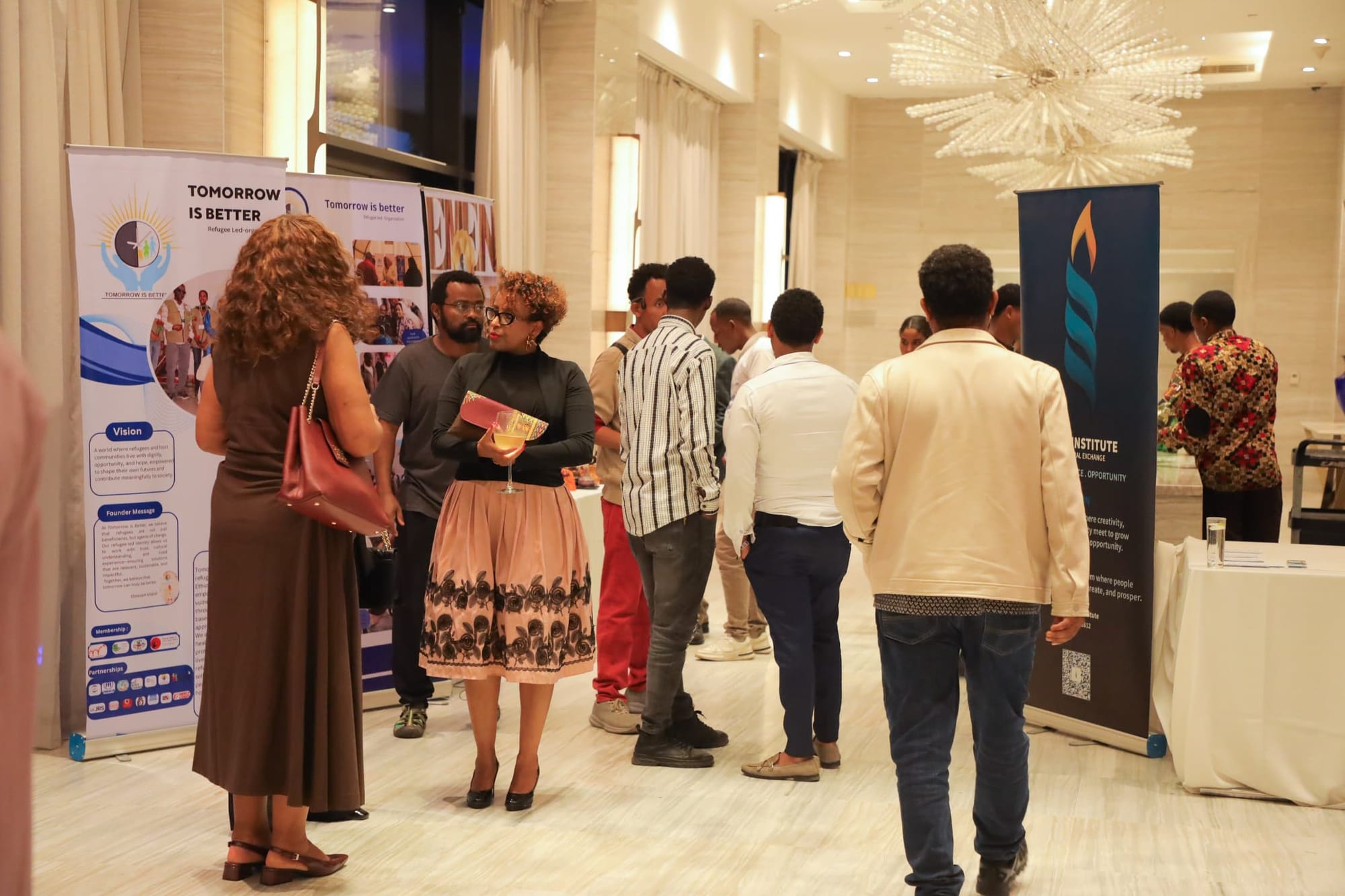
The event began with the arrival and reception of guests, creating an atmosphere of connection between diverse actors in the humanitarian and development space. In addition to musical performances, the event included an exhibition and a bazaar highlighting refugee entrepreneurship, creativity, and cultural exchange.
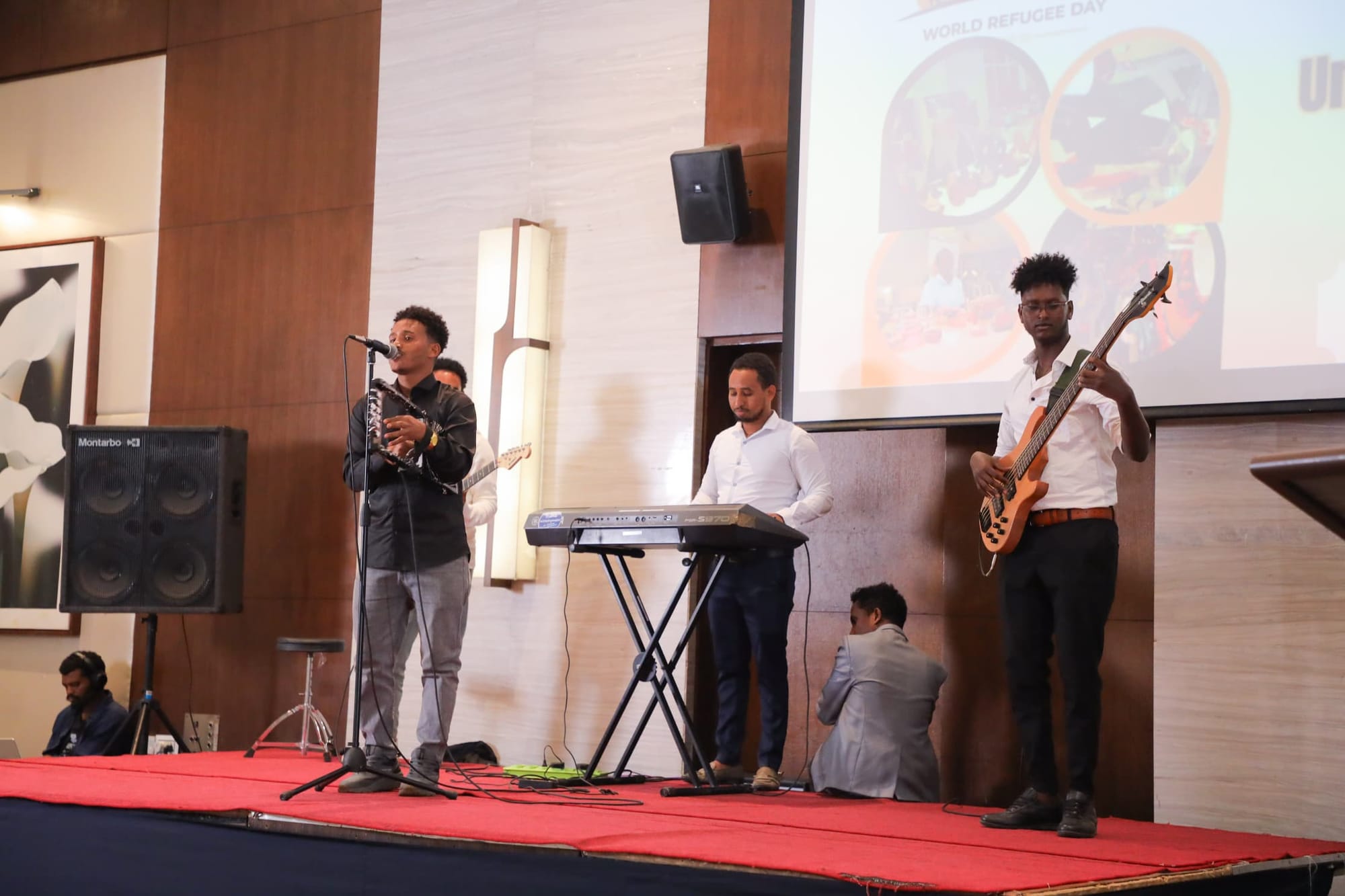
A live musical performance by a refugee-led group opened the program, showcasing cultural expression, resilience, and creativity within refugee communities. The performance set a reflective and emotional tone for the evening, emphasizing that displacement does not erase identity, talent, or dignity.
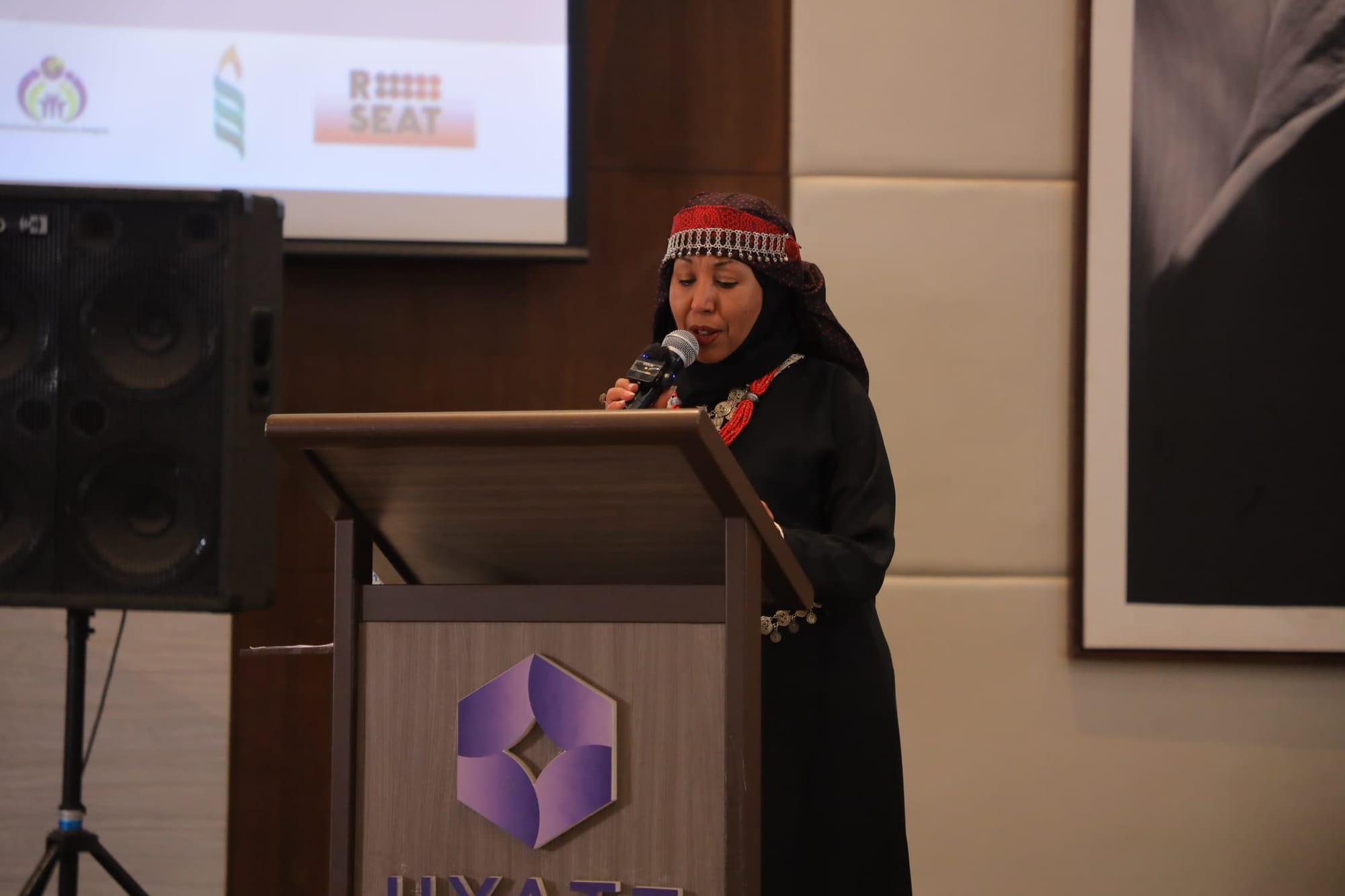
The official opening remarks were delivered by Ms. Shadia Abduljabar, Founder of Ethio Friends Foundation for Refugees, who highlighted the significance of World Refugee Day as a moment to reflect on both the challenges faced by refugees and their extraordinary resilience.
She emphasized that inclusion is not limited to service provision, but extends to participation, representation, and meaningful engagement in shaping the future of refugee communities.
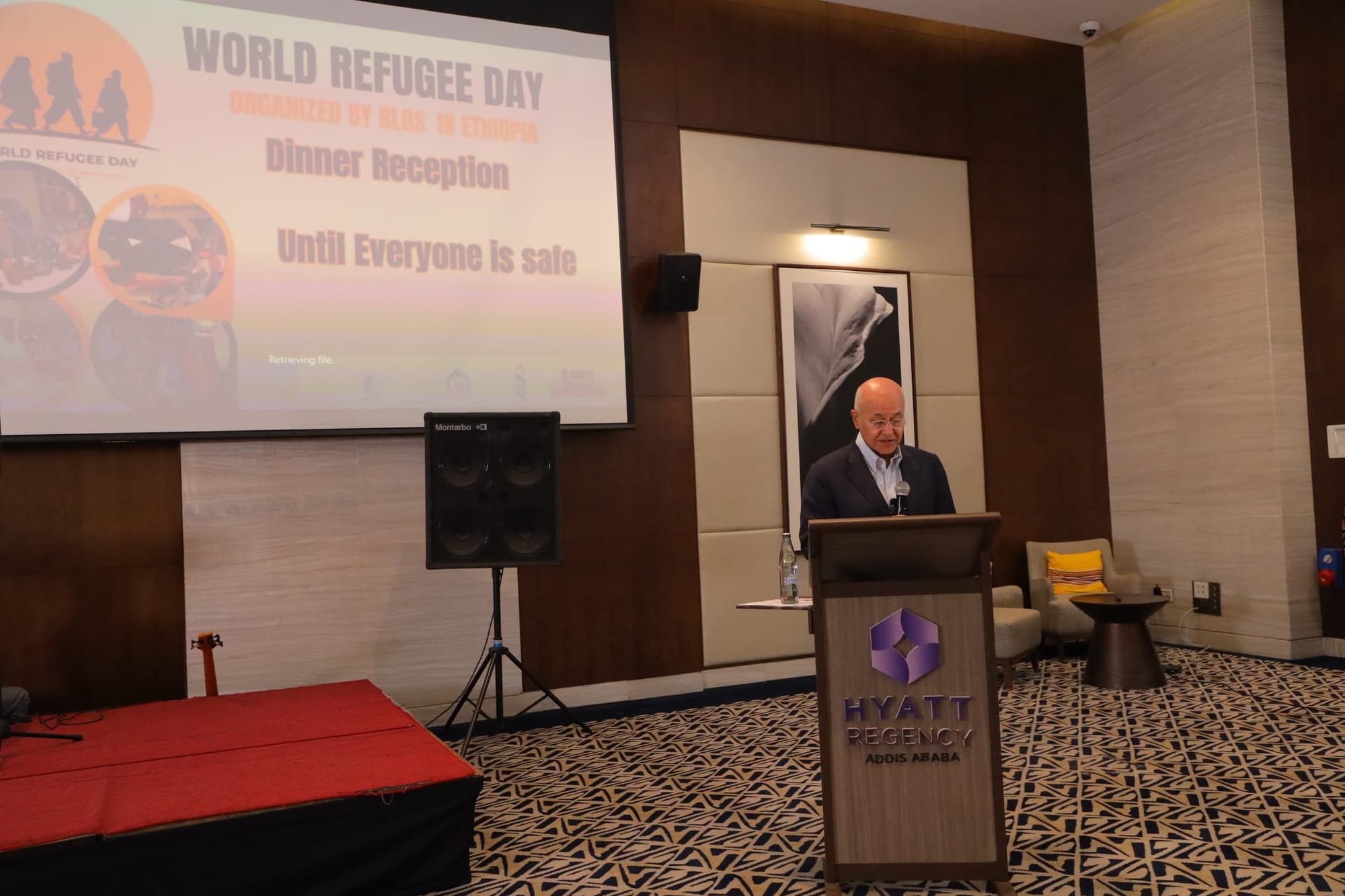
Keynote Address by the UNHCR High Commissioner, Mr. Barham Salih
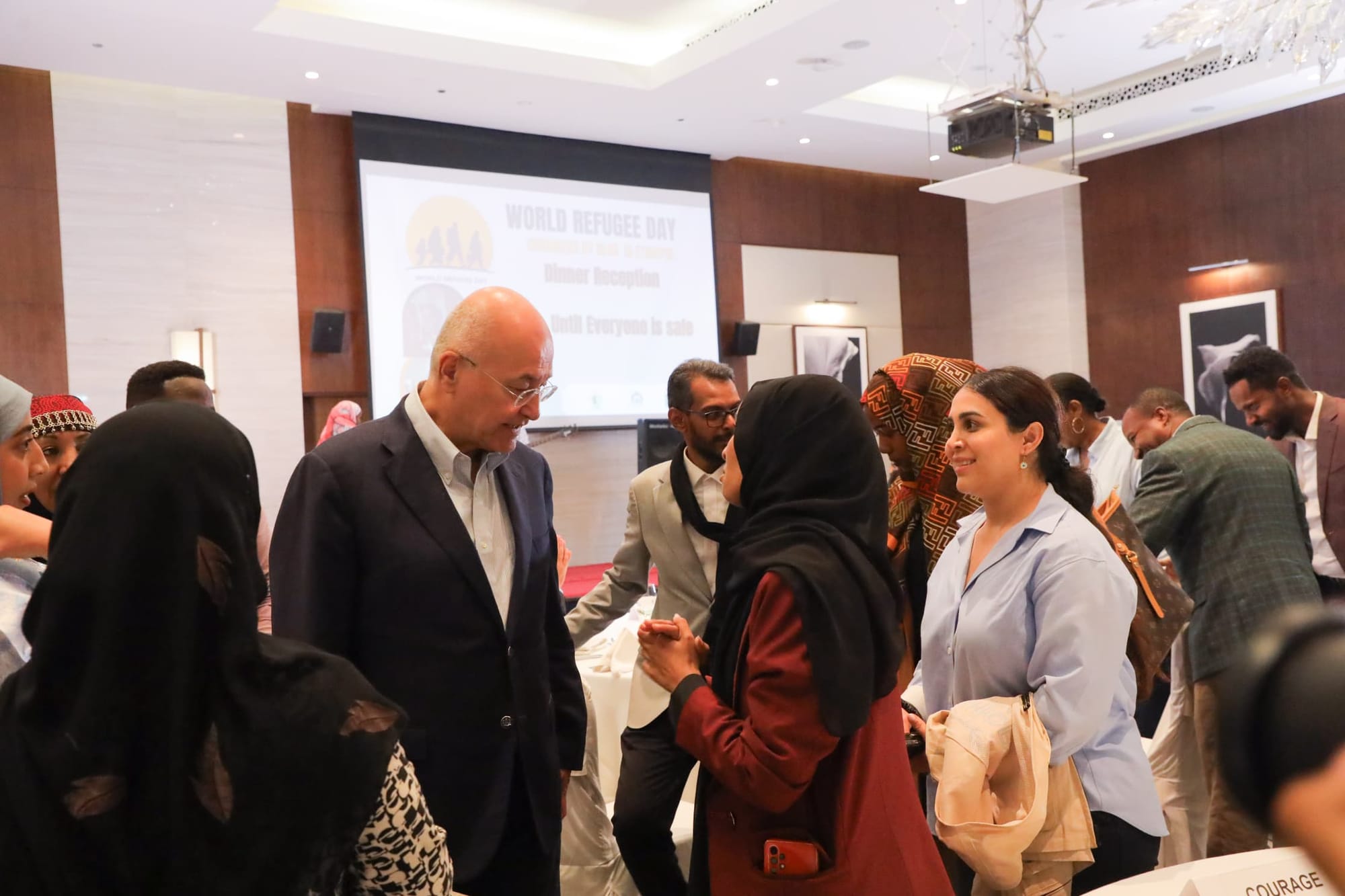
A key highlight of the evening was the participation of H.E. Barham Salih, ،who attended as the guest of honor and delivered the keynote address.
His presence carried particular significance, as he was not originally scheduled to attend the event, but chose to participate following engagement with refugee-led organizations.
He acknowledged this directly in his remarks, stating:
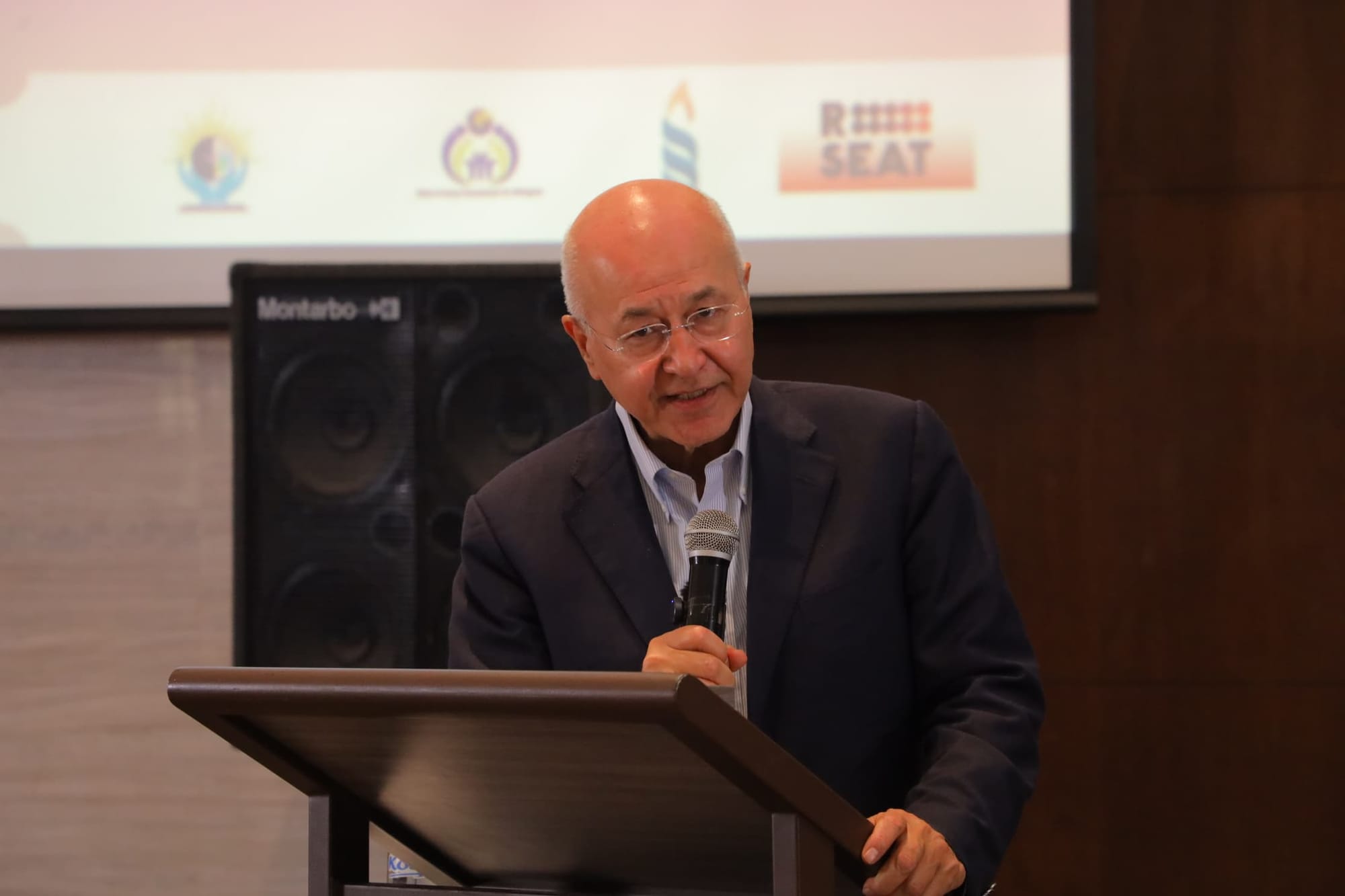
“I think this is the power of the RLOs because you made me come here, and I'm glad to be here.”
He used his speech to emphasize the importance of recognizing refugees not through the lens of displacement, but through their potential and contribution to society.
“Refugees should not be defined by displacement. Displacement should be a very temporary phenomenon, a very temporary condition.”
He further stressed the importance of shifting from temporary assistance models toward long-term solutions that enable refugees to become self-reliant, economically active, and socially integrated members of society.
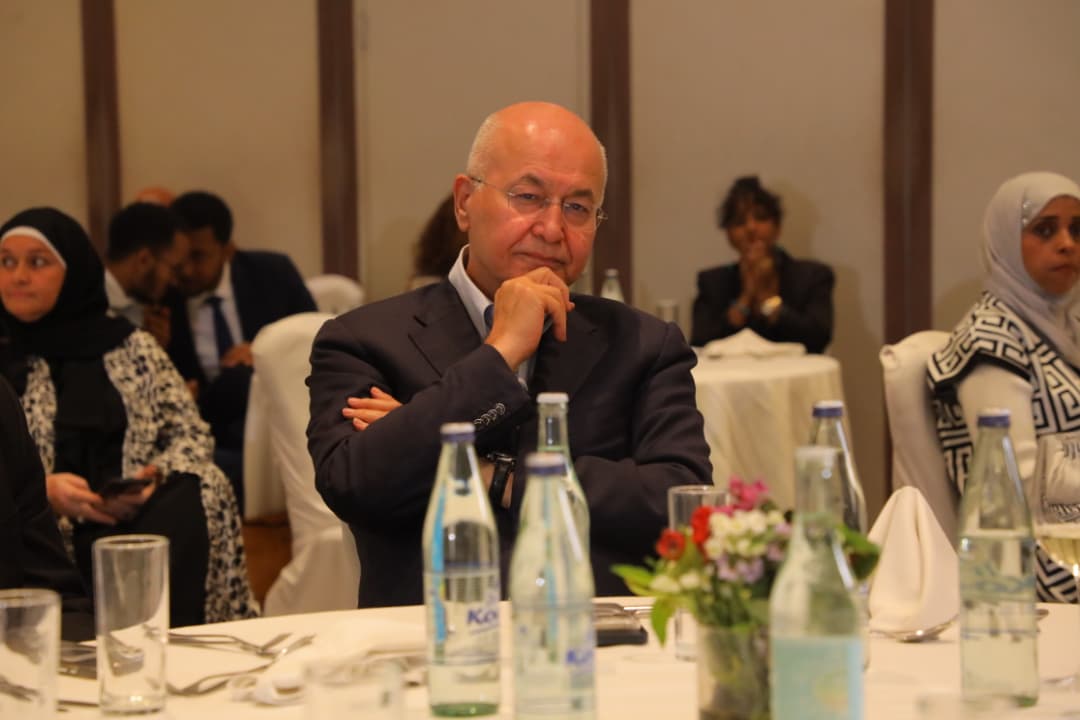
His remarks reinforced the growing global conversation around refugee agency and the role of refugee-led organizations in shaping policy and practice.
Ethiopia’s Evolving Approach to Refugee Inclusion
The discussions throughout the event reflected Ethiopia’s ongoing efforts to strengthen refugee inclusion through more coordinated and system-based approaches.
Participants highlighted the importance of moving away from fragmented interventions toward integrated frameworks that connect livelihoods, protection, services, identity systems, and institutional coordination.
This approach aligns with broader efforts to promote self-reliance and long-term solutions for refugees, while also supporting host communities in ways that strengthen social cohesion and shared development outcomes.
Makatet Framework and System-Based Inclusion
A key reference throughout discussions was the Makatet framework, which represents a shift toward a more coordinated national approach to refugee inclusion.
The framework connects multiple sectors, livelihoods, protection, services, partnerships, and institutional coordination into a unified system designed to improve efficiency and sustainability.
Rather than isolated interventions, Makatet promotes the idea that refugee inclusion requires integrated systems where responsibility is shared across institutions.
It reflects a critical understanding: sustainable inclusion cannot be achieved through fragmented efforts, but only through coordinated and mutually reinforcing systems.
UNHCR Perspective: Solidarity and Shared Responsibility
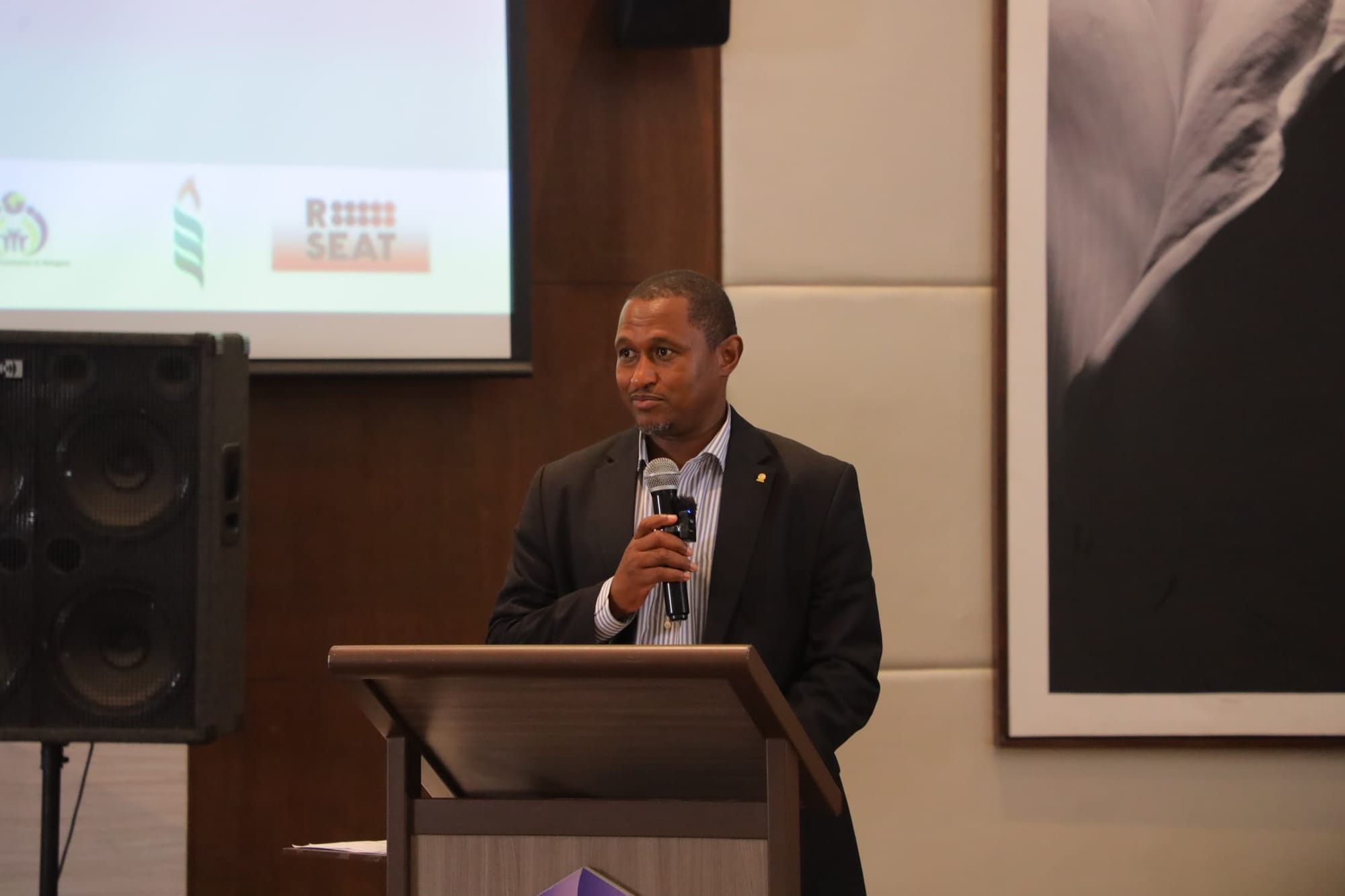
In his keynote address, Mr. Mamadou Dian Balde, UNHCR Regional Director for East and Horn of Africa and the Great Lakes, placed the discussion within both historical and global contexts.
He reminded participants that World Refugee Day has deep roots in African refugee protection history, noting that June 20 was originally African Refugee Day before becoming a global observance in 2000.
He emphasized that this evolution reflects Africa’s long-standing tradition of solidarity, generosity, and resilience in hosting displaced populations.
“It marks the generosity. It marks the solidarity. It also marks the resilience and the agency that refugees have.”
He called for greater global cooperation at a time when the international protection system faces increasing pressure: “It's time for all of us to work together.”
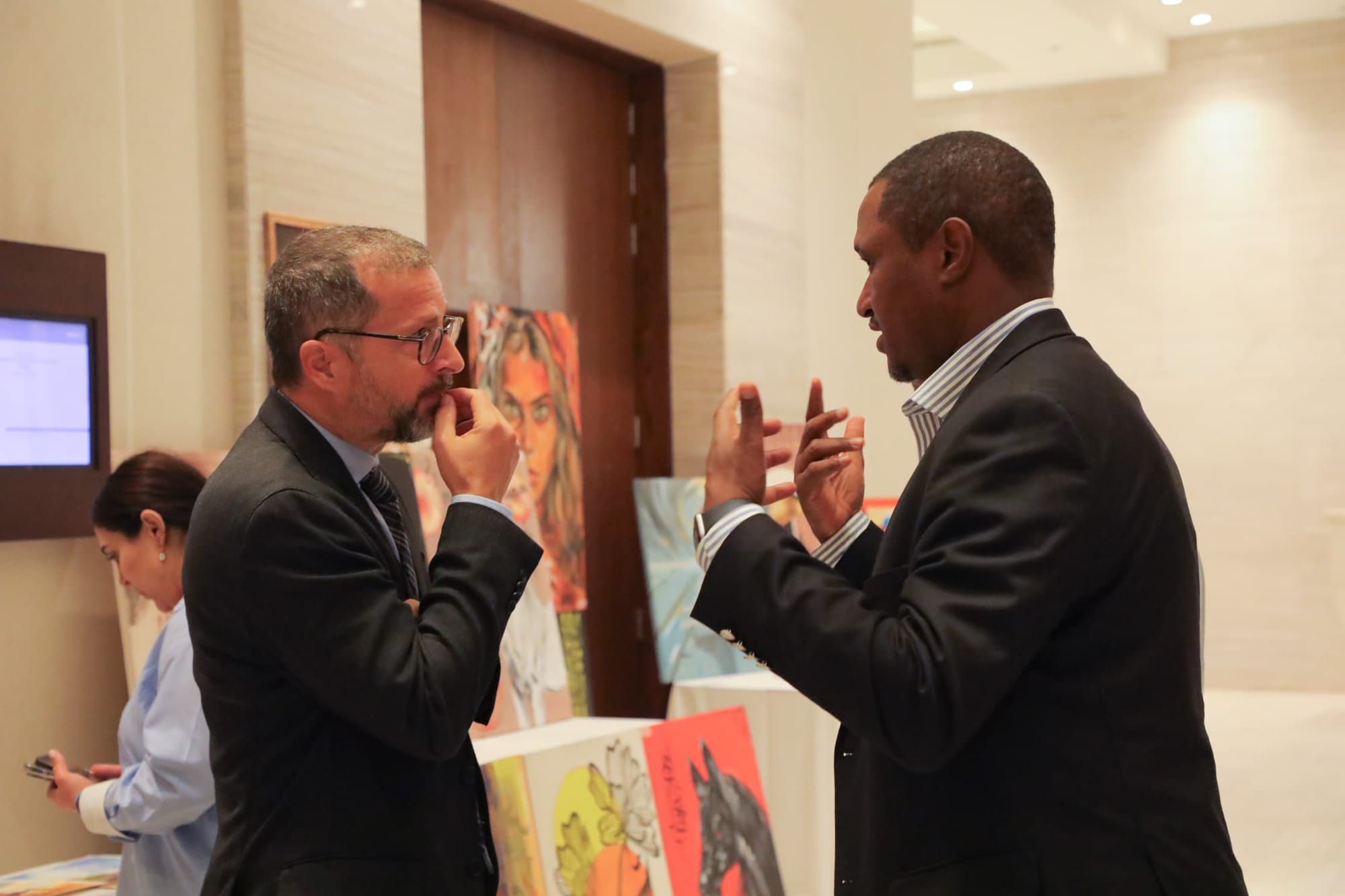
He stressed that effective responses require stronger coordination and complementarity among governments, humanitarian agencies, and development actors.
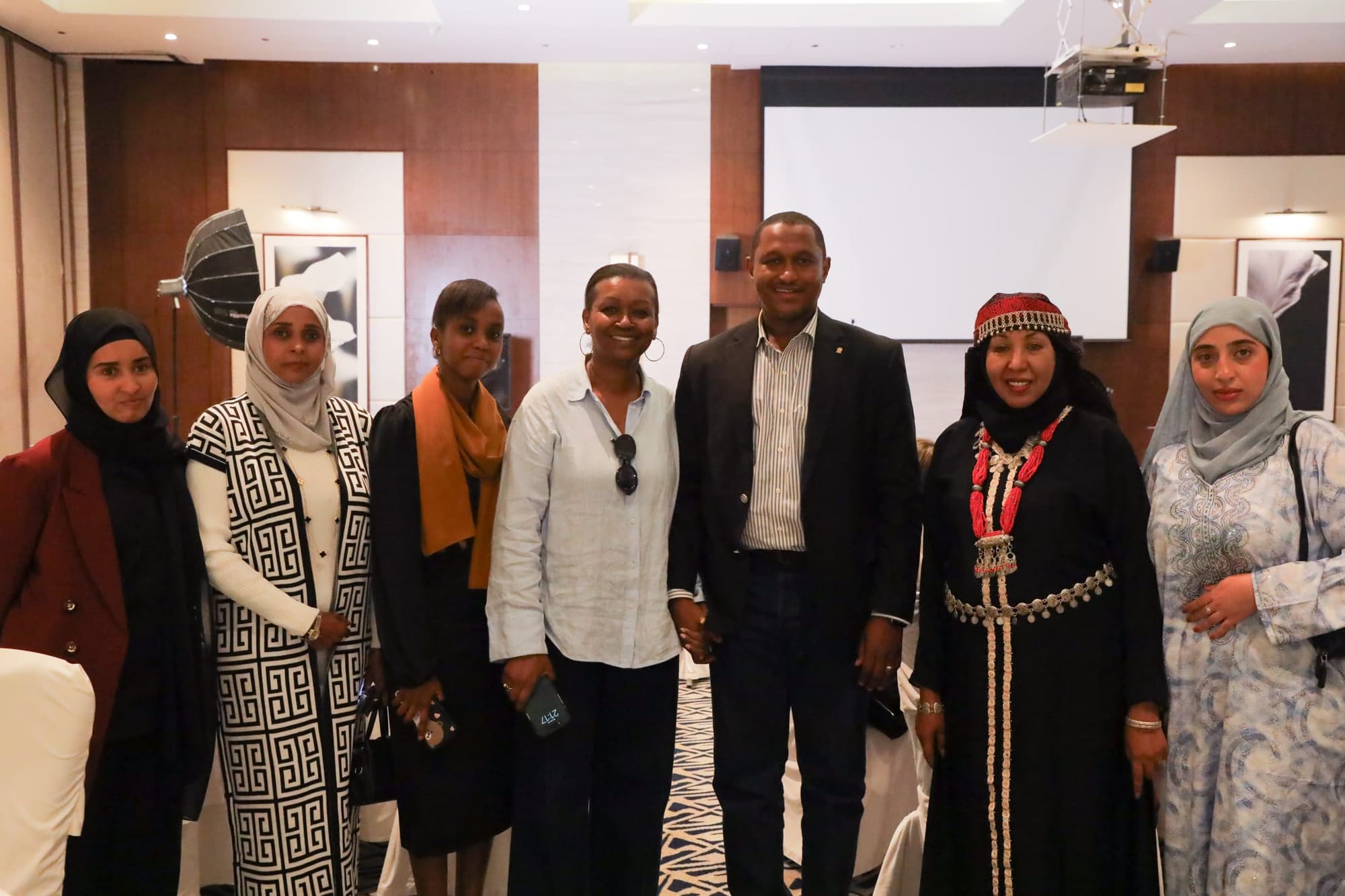
A central message of his speech was the importance of placing affected populations at the center of all interventions:
“It is critical that we put the communities, refugees, and host populations at the center of what we do.”
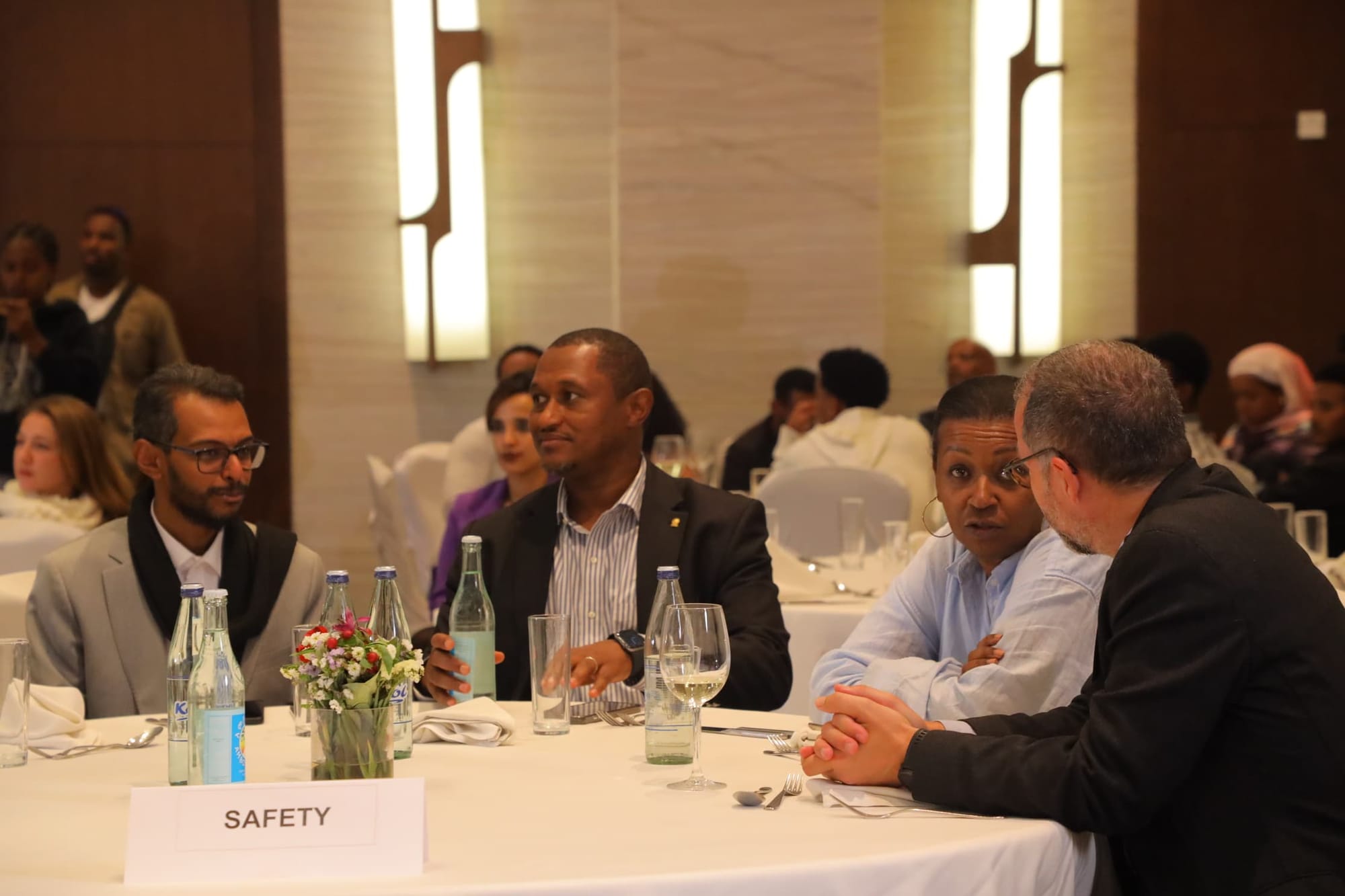
He concluded with a powerful reflection from a young refugee girl he met during a field visit, who emphasized that peace is essential because refugee status is not meant to last a lifetime, but rather to serve as a temporary protection mechanism that leads to durable solutions.
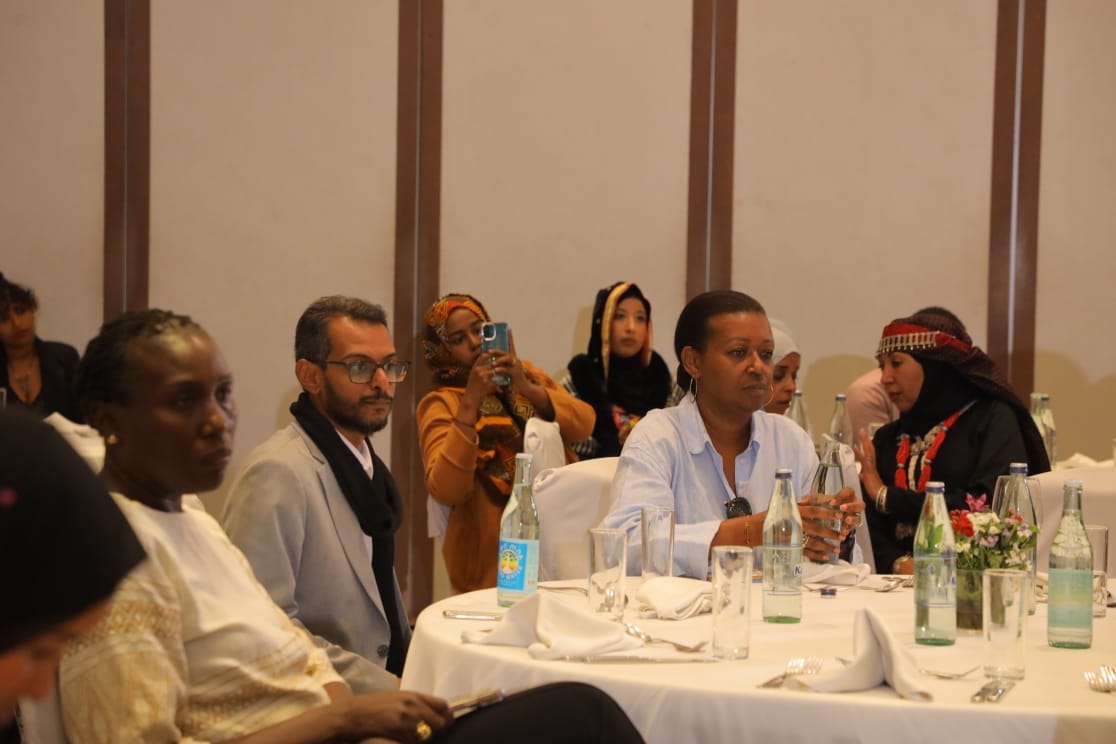
High-Level Participation and Institutional Presence
The event also brought together senior leadership from the United Nations High Commissioner for Refugees (UNHCR), including Mr. Mamadou Dian Balde, UNHCR Regional Director for East and the Horn of Africa and the Great Lakes Region; Ms. Aissatou Masseck Ndiaye, UNHCR Representative in Ethiopia; and Ms. Margaret Atieno, UNHCR Deputy Representative in Ethiopia. Their presence reflected a strong institutional commitment to advancing refugee inclusion, protection, and self-reliance across the region.
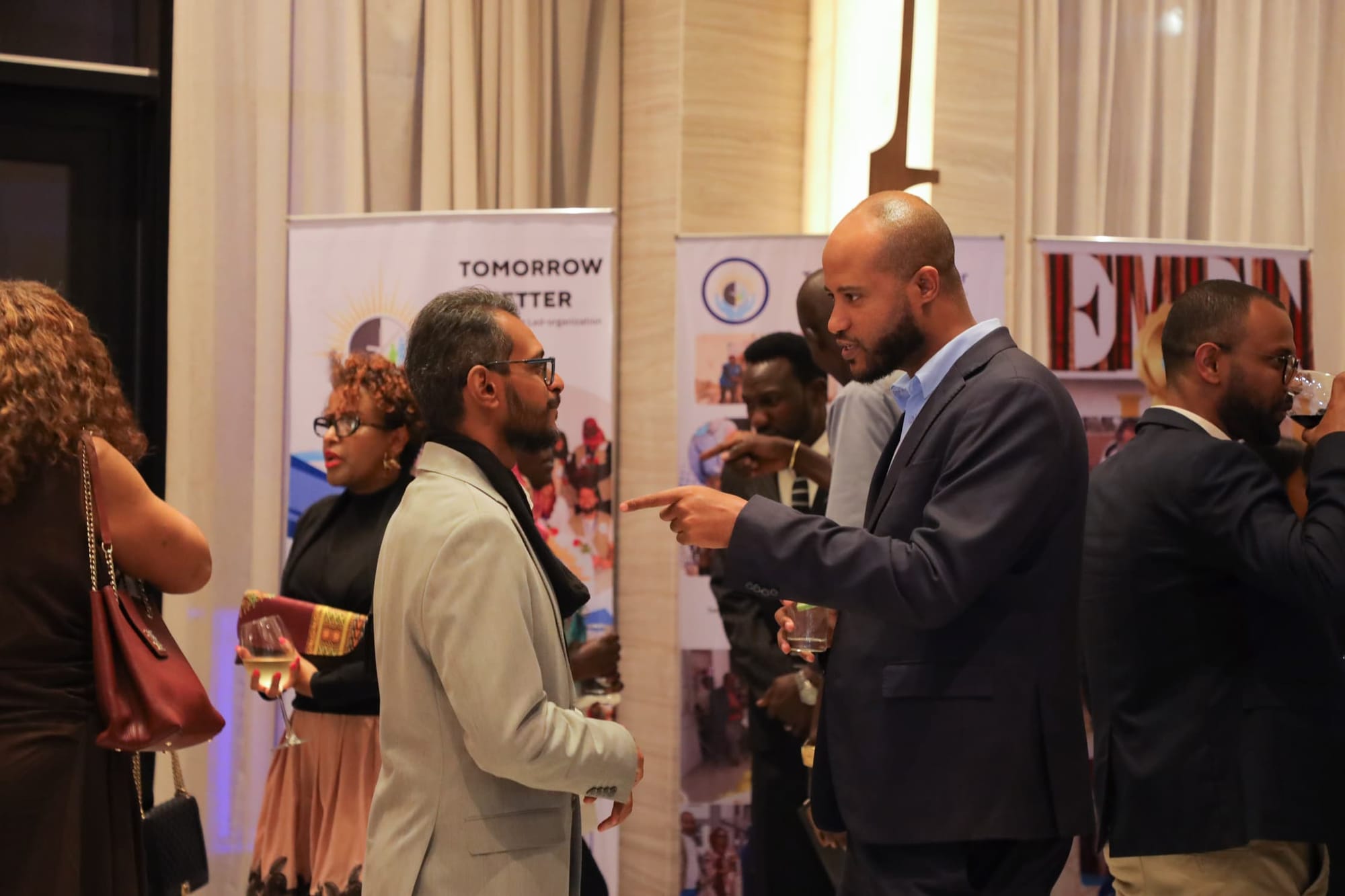
Their presence highlighted the importance of multi-stakeholder engagement in advancing refugee inclusion and strengthening cooperation between international institutions and local actors.
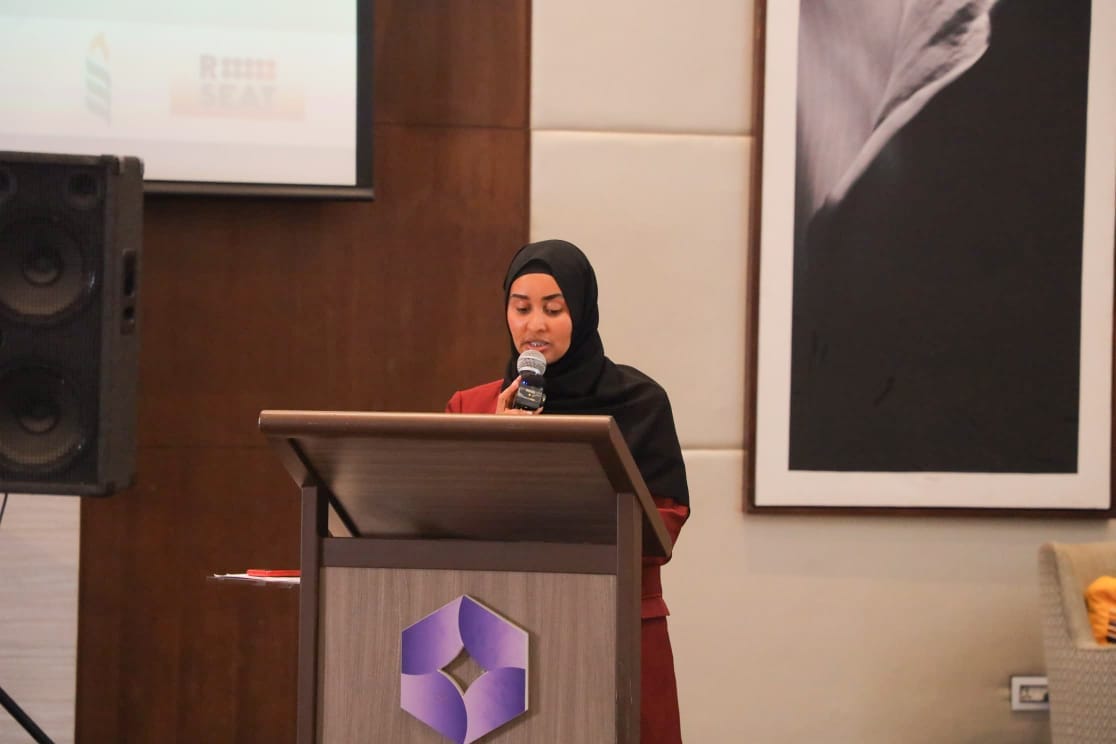
Closing Remarks: Leadership, Responsibility, and Shared Future
The event concluded with closing remarks delivered by Ms. Faduma Abukar, Project Manager at Shama Institute for Cultural Exchange, on behalf of the organizing partners.
She expressed gratitude to all participants and stakeholders, emphasizing that the success of the event reflected the strength of collaboration between refugee-led organizations, international partners, and institutional actors.
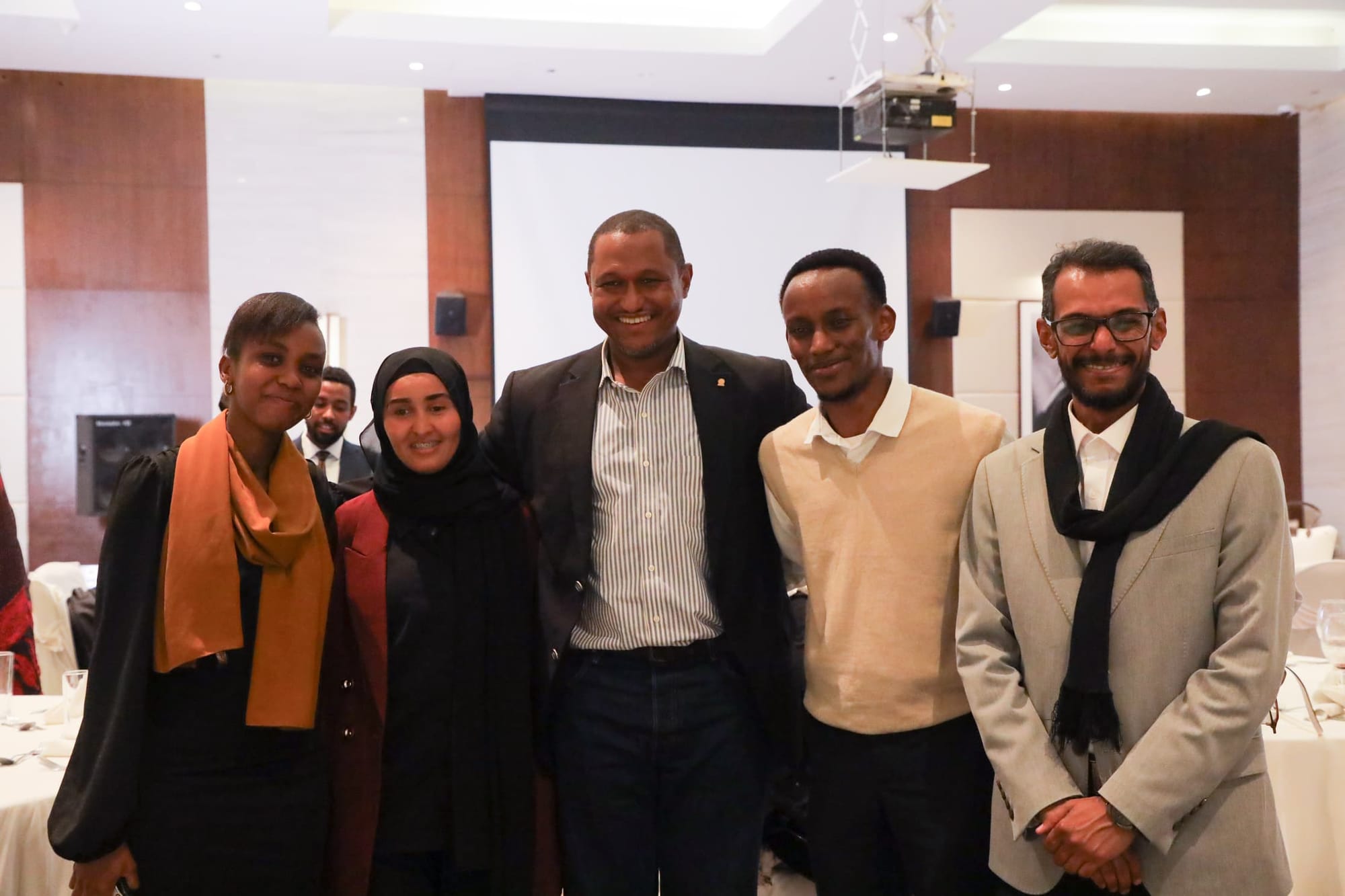
She highlighted that refugee empowerment is not a short-term intervention, but a long-term investment in human potential, dignity, and sustainable development.
The collaboration between the Shama Institute for Cultural Exchange, Ethio Friends Foundation for Refugees, Tomorrow Is Better (TiB), and R-SEAT was presented as a strong example of what can be achieved when refugee-led initiatives are trusted, supported, and included in decision-making spaces.
She emphasized that refugees are not asking for sympathy, but for opportunity, opportunity to learn, work, innovate, and contribute meaningfully to society.
Conclusion: A Shift Toward Shared Leadership and Inclusion
World Refugee Day 2026 in Addis Ababa delivered a clear and powerful message: sustainable solutions to forced displacement cannot be achieved through assistance alone, but require inclusion, partnership, and shared leadership.
The event demonstrated that refugee-led organizations are not only participants in humanitarian systems but essential actors in shaping them.
As global displacement challenges continue to grow, the Addis Ababa gathering served as a reminder that the future of refugee response must be rooted in dignity, opportunity, and collective responsibility.
Most importantly, it reaffirmed a simple yet powerful truth: refugees are not defined by displacement; they are defined by their potential, resilience, and capacity to contribute.
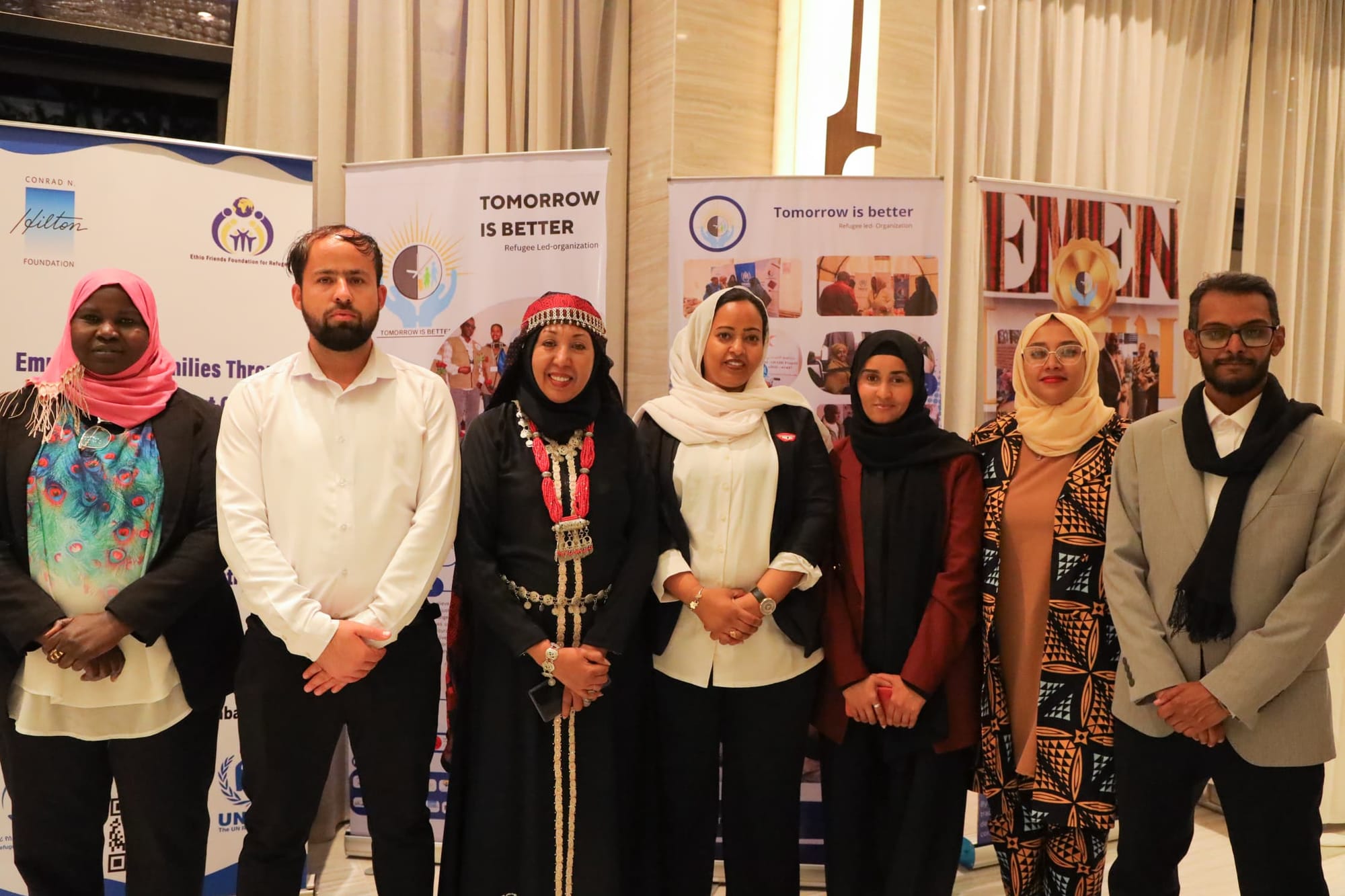
This event was successfully convened through the collective leadership of Shama Institute for Cultural Exchange, Ethio Friends Foundation for Refugees, and Tomorrow Is Better (TiB), in collaboration with the R-SEAT network.