World Refugee Day: Shama Institute for Cultural Exchange – Rethinking Refugees as a Force for the Future, Not Just a Story of Displacement
World Refugee Day 2026 focuses on refugee empowerment, inclusion, and resilience, with Shama Cultural Exchange supporting displaced communities toward a safer future
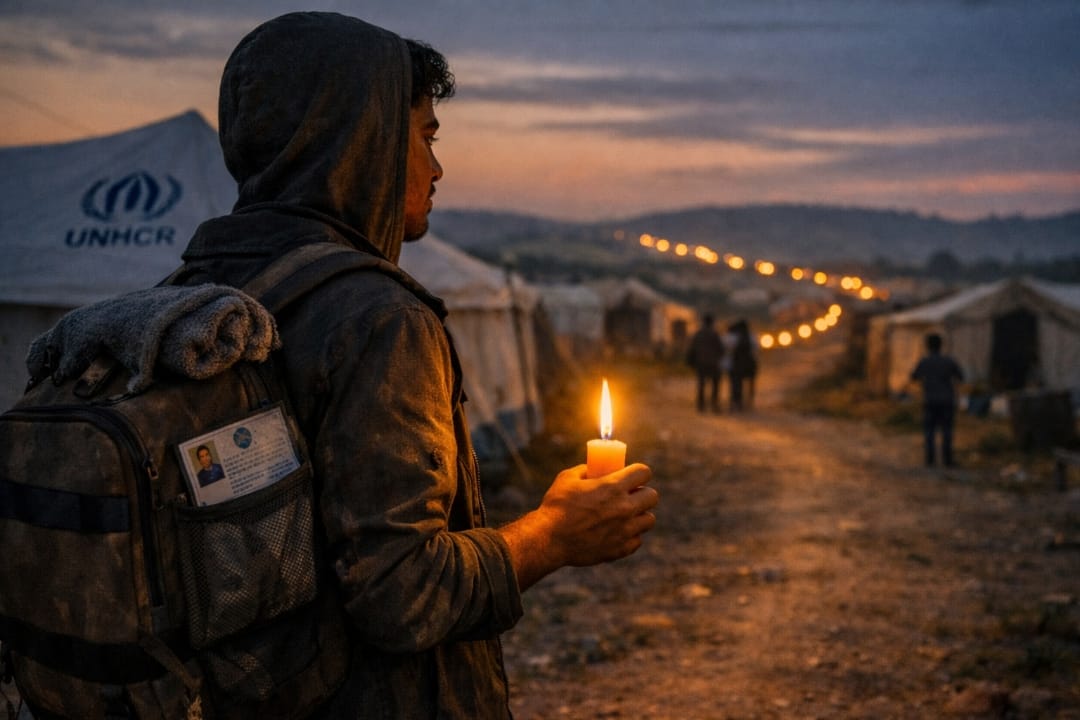
Every year on June 20, the world observes World Refugee Day, a day established by the United Nations to recognize millions of people who have been forced to flee their homes due to war, conflict, persecution, and human rights violations.
But this day is not only an annual observance, nor simply a reminder of global suffering. It is an opportunity to rethink how we understand displacement and the people who live through it.
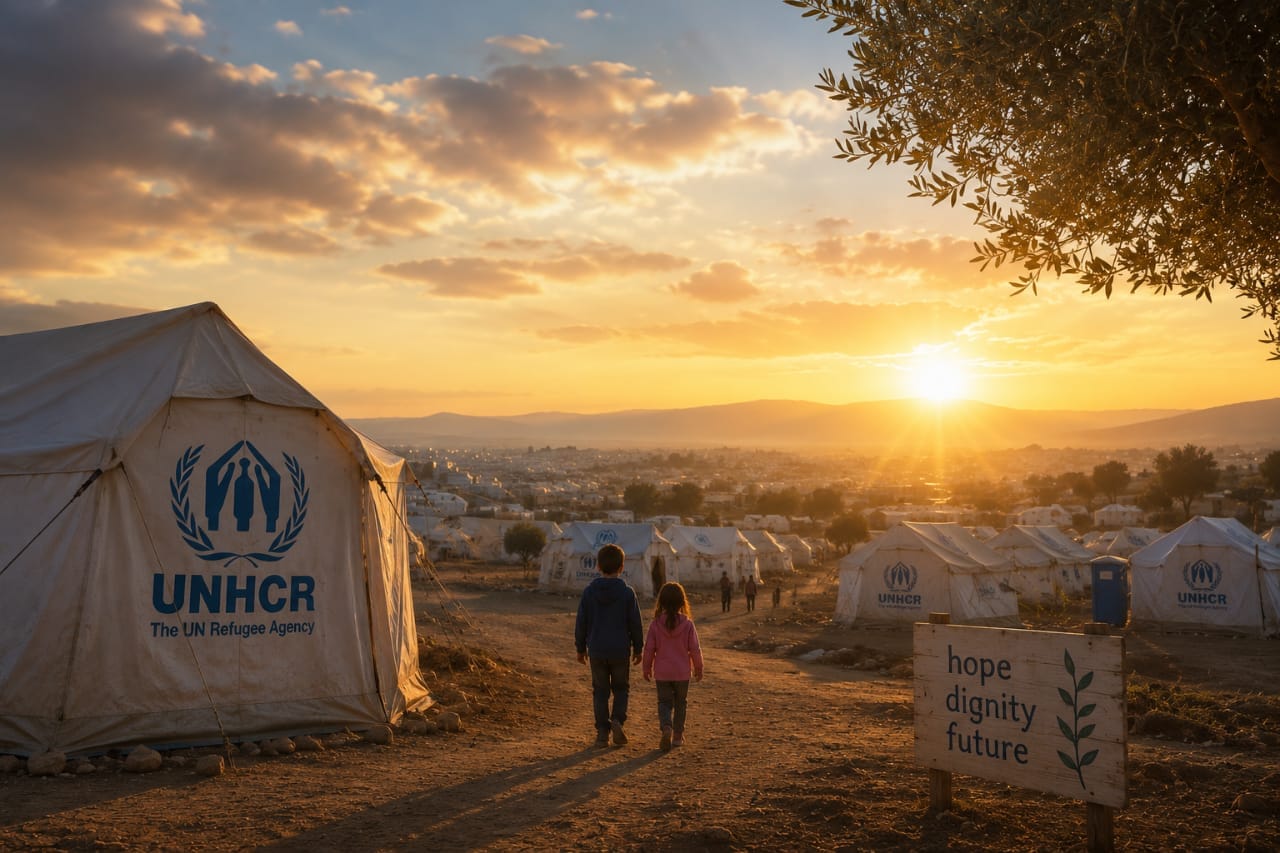
World Refugee Day was officially designated by the United Nations General Assembly in 2000 and was first observed in 2001, marking the 50th anniversary of the 1951 Refugee Convention. Since then, it has become a global platform to recognize the courage and resilience of refugees, and to reaffirm their right to protection, dignity, and opportunity wherever they are.
According to the United Nations High Commissioner for Refugees (UNHCR), more than 120 million people worldwide have been forcibly displaced in recent years.
Yet despite the importance of these figures in understanding the scale of the global challenge, they do not tell the full story.
What the Numbers Do Not Tell Us
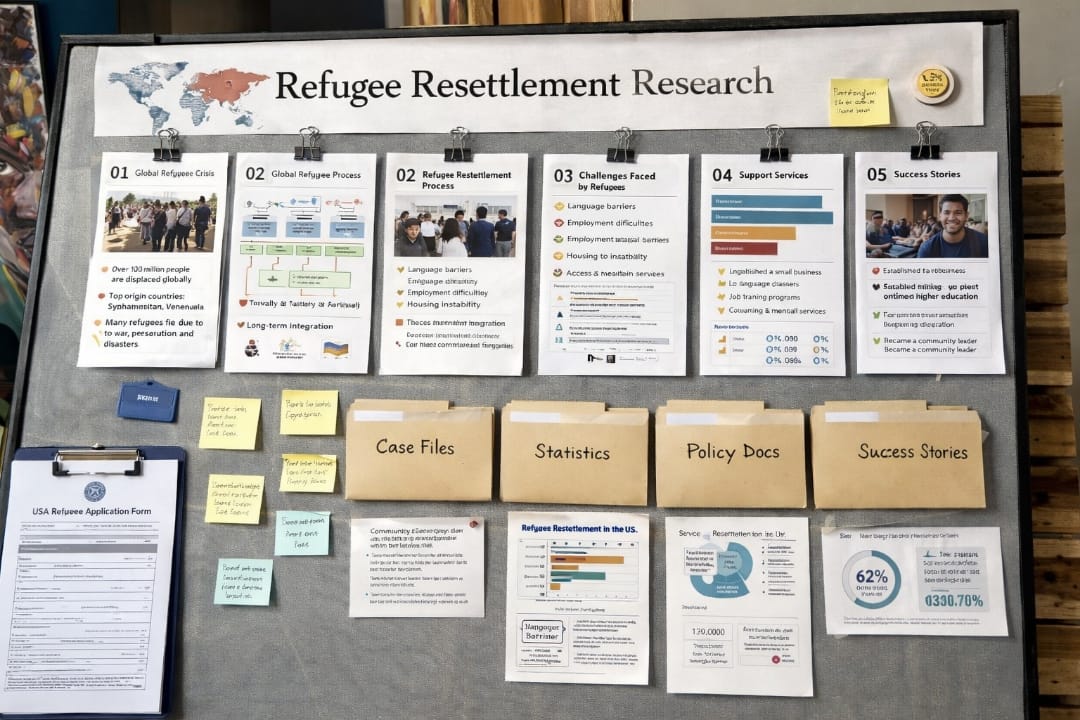
Statistics can tell us the scale of displacement, but they cannot tell us the scale of a human being.
They cannot measure resilience, determination, or the repeated attempts to start over.
They cannot see beyond a file, an identity card, or the label “refugee.”
Behind every number is a complete life. Behind every life is a person who cannot be reduced to the circumstances they have endured.
Too often, the greatest challenge is not what a person has lost, but being seen only through the lens of that loss.
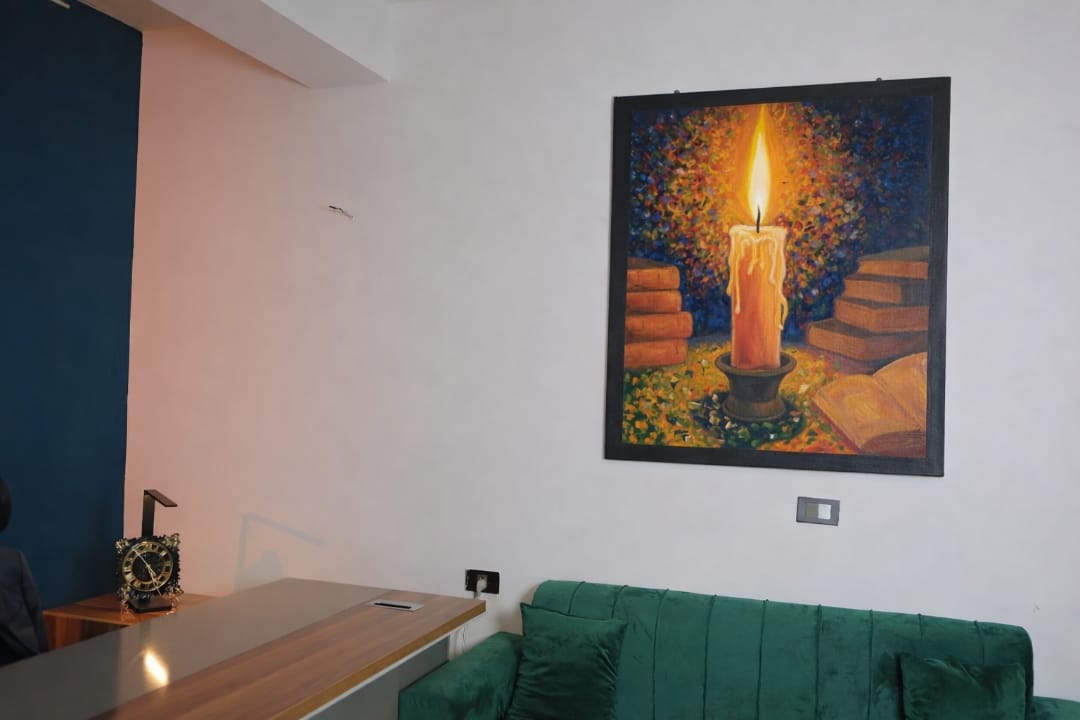
Shama’s Vision: From Need to Potential
At Shama Institute for Cultural Exchange, we do not see refugees as numbers in reports, temporary humanitarian cases, or passive recipients of assistance.
We see individuals with knowledge, experience, and the ability to learn, adapt, and rebuild.
We see people who were forced to begin again, but who never stopped moving forward.
At Shama, we do not define refugees by displacement alone, but by what they can become when opportunity is given.
We believe that people should not be defined only by what they need, but also by what they can contribute.
The Question That Drives US
How much human potential remains unseen because of the way we choose to look at refugees?
FROM Assistance to Empowerment
Humanitarian assistance has played a vital role in protecting millions of refugees around the world, and its importance cannot be overstated.
But protection is not the end of the story. How can refugees rebuild their futures? How can they continue their education? How can they develop their skills? How can they work, innovate, and participate in society?
At Shama, we believe the answers begin with opportunity.
A Conversation From Experience
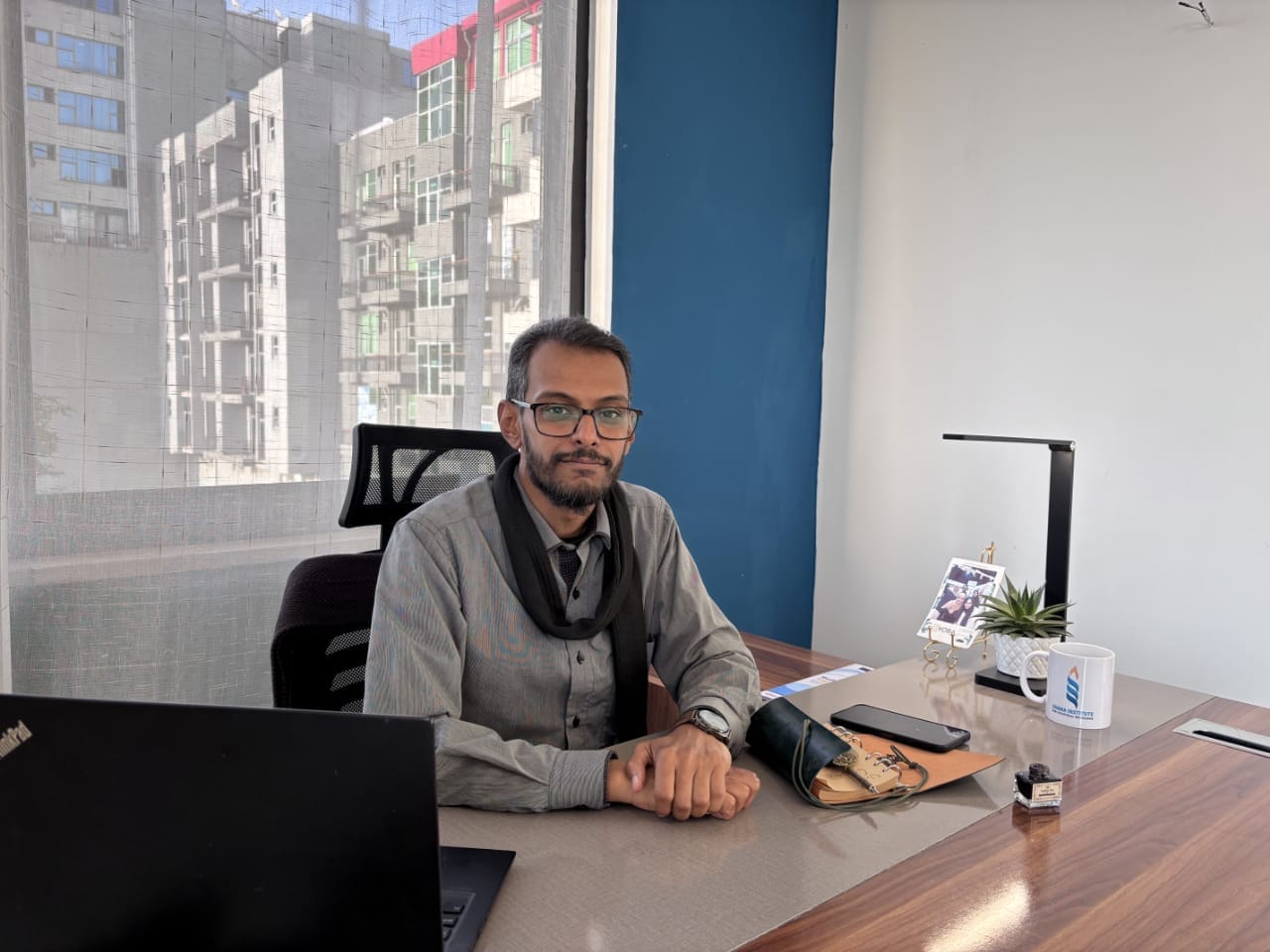
On this World Refugee Day, we open a different kind of conversation. A conversation with the Director of Shama Institute for Cultural Exchange, whose understanding of displacement is shaped by lived experience across different countries.
1) What is the difference between viewing a person as a human condition and viewing them as a force capable of creating change?
I believe the answer lies within this question itself. And I believe there is not much difference in this question. A human being, whether seen as a human condition or as a force capable of creating change, can, in fact, be capable of creating change. Because if I am seen as only a human condition or not seen at all, if I am stripped of my humanity, what remains? And if I am stripped of my strength, what remains? I believe both are one. A human should be seen as a complete being, as a whole entity: a human condition and a force capable of creating change at the same time.
2) How can a refugee preserve their dignity in a reality that constantly defines them through their needs?
I think that preserving dignity begins with rejecting the reduction of a human being to their needs only, in order to preserve their humanity; otherwise, one surrenders. I always say that loss happens when we say: we have stopped. Loss is when I stop. As long as I am still engaging, I have not declared defeat. I believe this is the formula for preserving dignity. As long as we do not accept this reduction, it is impossible to lose our dignity. I recall the words of Malik Bennabi, who said that a colonizer does not colonize a country unless its people are already willing to be colonized. Colonization, according to Malik Bennabi, the Algerian philosopher, begins from within. I believe this is what distinguishes a person who truly wants to preserve their dignity. If everything tries to strip me of my dignity but I still resist, then my dignity has not been taken from me, even if only in my heart. And that is the weakest form of faith.
3) Do you think the world sees refugees as they truly are, or as it imagines them?
I believe the answer to this question begins with asking: what kind of world are we talking about? Is it the civilized world? Is it the world that accepts the other? Is it the world that can put itself in the place of the other? Is it the world that wants to help? Is it the world that wants to control? Is it the world that wants to give opportunities? Or is it the world that wants to remain neutral? Or is it the world that fights? These are all different worlds, but in most cases, the world sees the refugee as it wants to see them, not as they truly are. We rarely ask refugees about their own definition of themselves and their view of themselves so that we can accept it, rely on it, and define them through it. Instead, we impose our assumptions and preconceptions on them.
4) Does displacement change a person’s identity or reveal parts of it?
I believe that displacement changes my identity, but it also refines it. I came to understand who I am, and also who I will not be. This was something very important for me. I no longer define myself by what I believe in; instead, my self-definition has become closer to what I will not believe in and what I will not give up on.
5) How does Shama define its own concept of refuge?
In Shama, we have previously defined our own concept of refuge, and I believe these are the core principles upon which Shamaa is built: dignity, resilience, and opportunity. A refugee comes with their dignity and seeks opportunity, and between these two elements, they must be able to survive. This is what we support. I cannot give dignity to someone who does not already have dignity, and I believe that opportunities already exist. What we can help each other with is the ability to survive, the ability to coexist, and the ability to achieve peace. Therefore, at Shama, we welcome anyone who wants to contribute something to themselves, to society, and to humanity. This is very important, as it also helps to change the world’s perception of refugees.
6) What is the biggest idea you believed in before displacement that changed after the experience?
The idea was that refugees cannot start over, and that refugees are vulnerable people who do not have the ability or the right to rebuild their lives or decide their own destiny. But when I lived the experience myself and tested these beliefs and ideas, I realized that they were only ideas. I am the one who can always decide what I want to become, and I can define my own future. Of course, there are many layers, challenges, systems, and many moments where access is not allowed. But in the end, a refugee can still find an opportunity or a space where they can maneuver and through which they can decide their own destiny.
7) What do you wish society would understand about refugees that it has not yet understood?
I always come back to this, and I do not want to generalize. In some societies, refugees are seen as a burden on the host community, or as people who take jobs, strain the economy, or take resources. This is the most common image. However, this perception is not always accurate. Refugees come as, I mean, a “prepared and formed treasure,” entering the host country with all their capacities, and accepting perhaps the minimum in order to be integrated into that society. As a result, they will contribute to that society, and they will always be grateful to it. What I want to convey is that societies do not always realize the level of gratitude refugees have toward host communities, and their willingness to contribute, even in small ways, to building prosperity and development. They will not hesitate to contribute in any way they can. But often, refugees are seen as people who come to exploit resources, take opportunities, or burden the economy. This is an inaccurate perception and does not reflect the full reality.
8) Is the biggest challenge facing refugees a lack of resources or the world’s perception of them?
As for the lack of resources, this is a global issue, not a refugee-specific one. Refugees are not the cause of resource shortages, nor can this problem be linked to them. A closer look at the global economy shows that the issue is much broader. In reality, it is unfair and unwise consumption that leads to resource scarcity, not the presence of refugees. The world’s perception of refugees is also a major challenge, and it depends on how they are viewed: Are they seen as people given the opportunity to be empowered, to become active contributors in society? Or are they seen as passive beneficiaries with no real contribution? Ultimately, this question is not only for refugees to answer, but also for those who caused displacement in the first place: Those who started wars, caused displacement, or contributed to climate change. Refugees, in the end, pay the price for something they did not cause or commit.
9) What is the most important thing a person loses when they become a refugee? And what do they discover?
The first and most important thing a refugee loses, I always say, is their dignity. Because in the moment a person is broken and becomes vulnerable, they feel they have lost their dignity due to their need for help. Needing help, although it is a basic human right, often comes in very difficult circumstances—after war, displacement, humanitarian crisis, or the loss of everything, which places a person in a state of vulnerability. At that point, accepting help may make them feel as if they are in a lower position, and this is what creates the feeling of losing dignity. I believe this is the first and greatest loss, and it becomes a continuous struggle to regain that dignity. As for what they discover about themselves, a person becomes more honest with themselves when they become a refugee, because in that moment, they can no longer deceive themselves or exaggerate who they are. They begin to see themselves as they truly are, clearly understanding their strengths and weaknesses, and reassessing their beliefs and everything they go through. They become deeply honest with themselves and do not let go of this truth until their situation as a refugee changes.
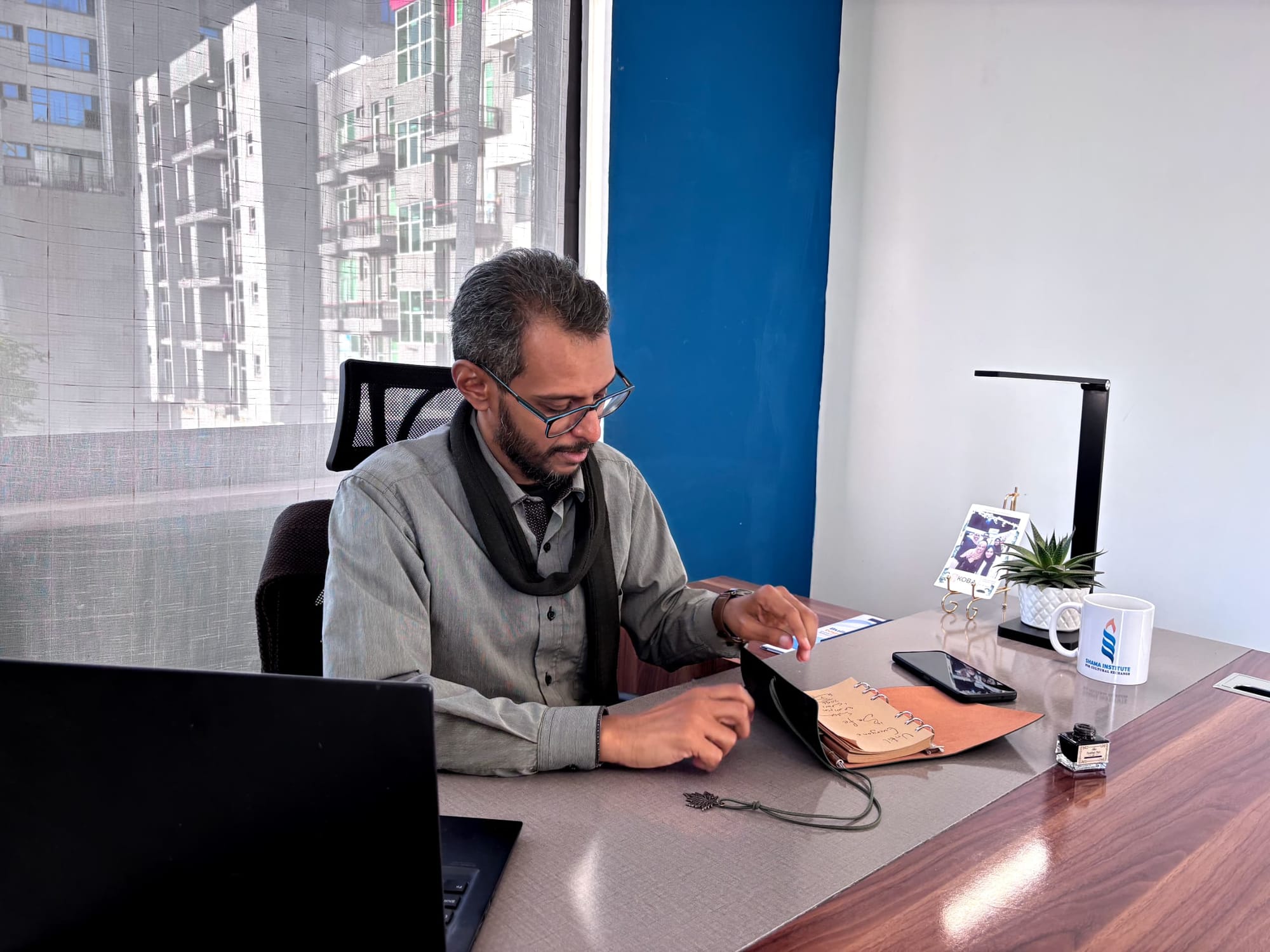
10) How has the experience of displacement changed your understanding of human beings and the ability to start over?
What I was able to do, or what I discovered I was capable of doing when I became a refugee, is that the impossible was only an idea or an illusion created in the mind. The experience of displacement pushed me beyond the limits of what I thought my abilities were, or what I had imagined them to be. I was able to go beyond these limits simply because I began to live a daily struggle for survival. The greatest challenge was not against the world, or against another person, or against anything external, but against myself. I am the only one who tells myself: stop here, or keep going. And until now, I have chosen to continue. I have not chosen to stop.
11) When did you first feel that you were more than just a refugee?
The moment I was officially declared a refugee, I felt that I was more than just a refugee. I had waited for the registration process for months, and when I finally received my refugee card, I looked at it for a long time. In that moment, I made a promise to myself not to be just another number added to refugee statistics and lists. From that day, I decided that this card would become a key to my life and my growth, not just a label that defines me.
12) If the world were to reduce refugees to one word, what is the untold story?
A treasure. Refugees are a treasure. The world needs to understand that this story has not yet been told. Refugees come into host communities as a treasure, and it is up to these communities to recognize this value and make use of it for their own benefit as well.
13) If we remove the word “refugee” from all documents and reports, how would these people be seen?
We are all human beings. I do not believe in borders, policies, or states. I believe we are humans created to live on this earth as one, nothing more and nothing less. These definitions and classifications are human-made. If the word “refugee” were removed, the real question would be: why was it created in the first place, and who defined it?
14) How does Shama’s view of refugees differ from the traditional perspective?
At Shamaa Institute for Cultural Exchange, we do not define refugees as refugees, but as ordinary human beings and normal people. We fully believe that the experience of displacement is a temporary condition, not an identity. My name, origin, humanity, and history are all known, while displacement is only a temporary circumstance in my life, and I do not accept being defined by it. Therefore, we do not have a problem with the word “refugee” when it describes a temporary situation, but it becomes unfair when it turns into a permanent identity for a person. From this perspective, our view at Shamaa does not differ from how we see any other human being.
15) Why does Shama emphasize empowerment and opportunities over aid?
Shama Instead for Cultural Exchange is, first and foremost, a for-profit company, but also a social enterprise with a clear mission and purpose. For this reason, empowerment and opportunities are at the core of Shamaa’s vision and message. Aid alone does not build character, does not create a future, and does not restore dignity, while empowerment and opportunities enable individuals to develop themselves, build their lives, and become self-reliant. Relying entirely on aid also places people in a constant state of dependency and vulnerability, as it can be interrupted at any time for different reasons. Empowerment, on the other hand, gives refugees the ability to take control of their own lives instead of remaining passive recipients, allowing them to build themselves and move forward toward survival and stability. Over time, they are no longer seen as dependent on aid, but as individuals capable of standing on their own, which also changes how the world perceives them.
16) When you hear the word “refugee,” what do you see?
When I hear this word, as I mentioned before, I see it as only a temporary condition. For me, however, it motivates me to work harder and to prove myself more, and to challenge the dominant narrative by placing the word “refugee” within a positive framework of leadership and initiative. A framework that makes people view refugees with respect for their situation, rather than pity.
This was not the end of the story, but the continuation of a path that is still unfolding every day.
The work continues, the questions continue, and the belief in dignity, opportunity, and human potential continues.
Between position and experience, and between responsibility and memory, this story remains larger than a single definition and broader than a single moment.
It is a story that is still being written.
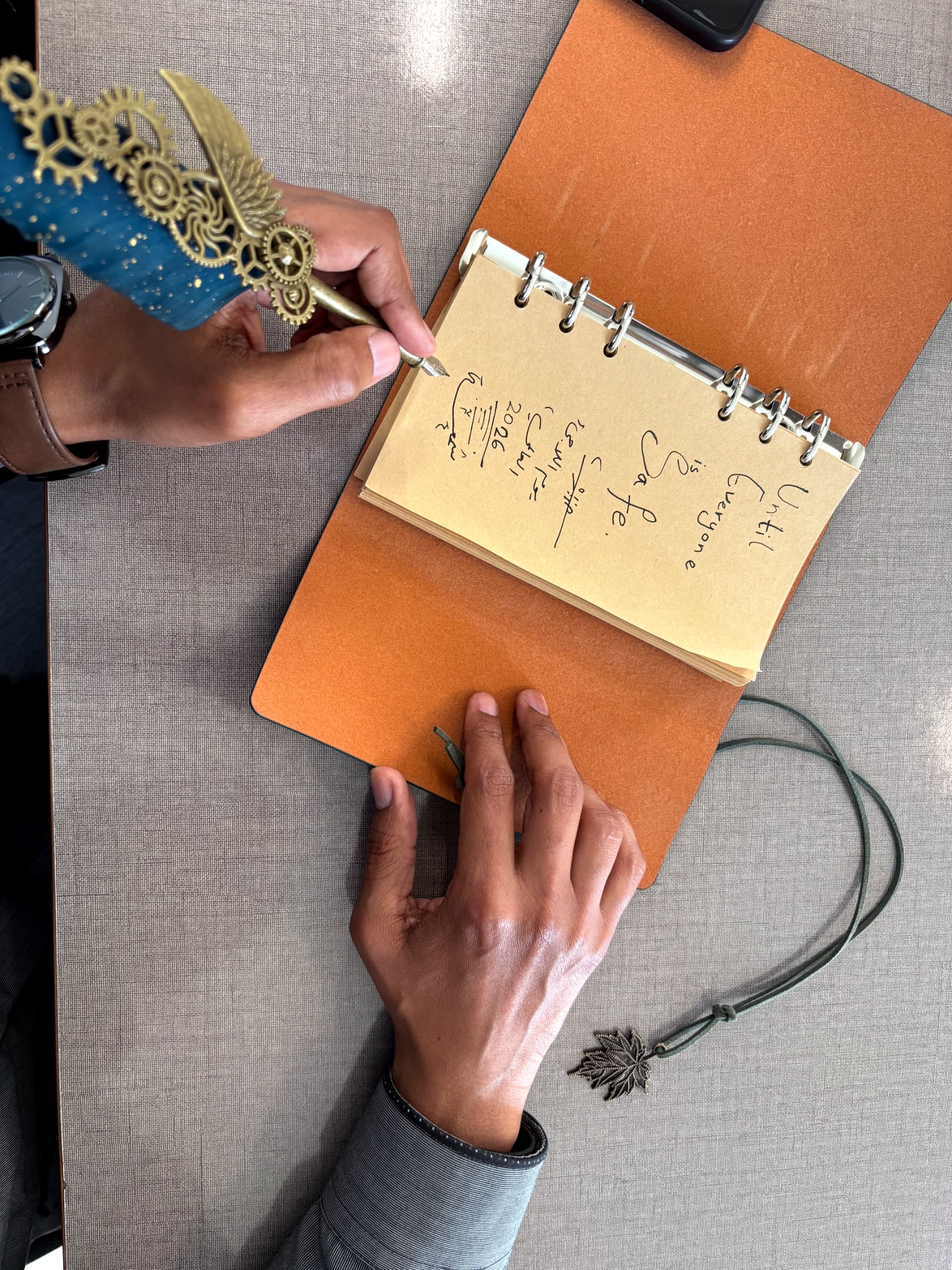
Final Reflection
On World Refugee Day, we do not celebrate a label. We recognize the person who continued despite interruption.
The person who has rebuilt their life more than once.
The person who chose to keep moving forward despite everything.