
Recognition Comes First: What I Took From Geneva
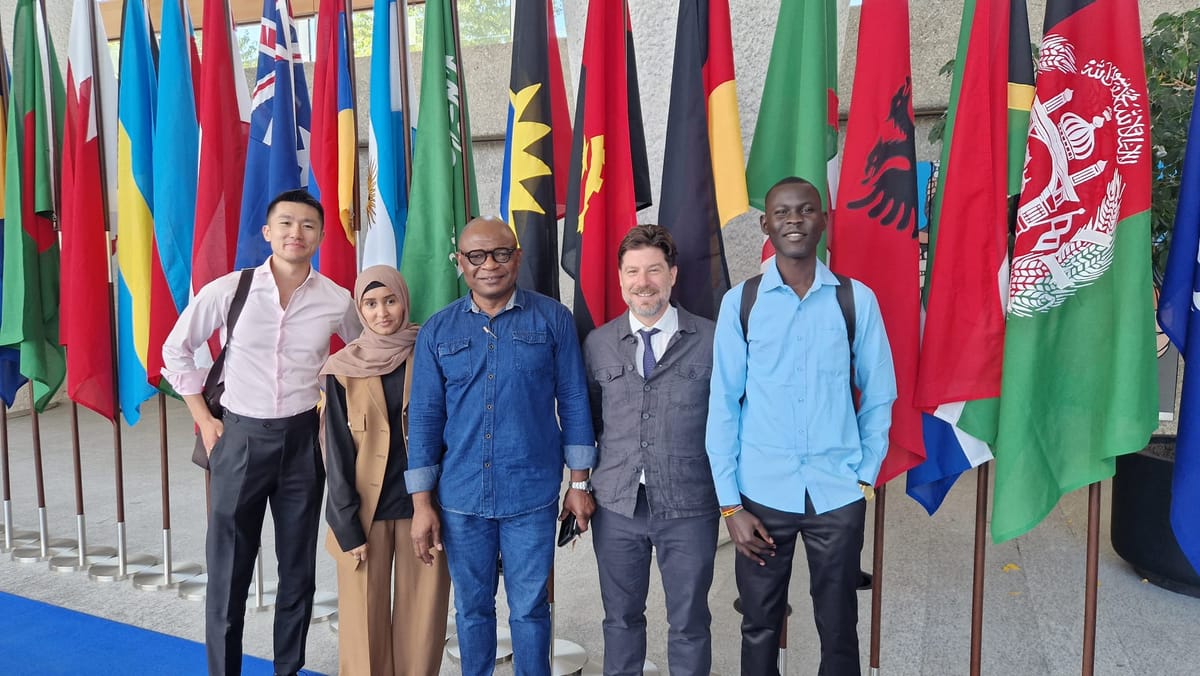
By Faduma Abukar Awes, Project Manager, Shama Institute for Cultural Exchange
Geneva, 6-10 September 2026
In early September, I joined the Independent Diplomat delegation in Geneva, representing Shama Institute, for a week of meetings with UNHCR, donor governments, the Ethiopian Mission, the International Labour Organization (ILO), the World Bank, and other partners.
On paper, the agenda covered different topics: funding, registration, travel documents, protection, and jobs. Looking back, though, many of these conversations returned to one question: Who gets recognized, and by whom?
For refugee-led organizations, recognition is not just about being invited into a room. It is about registering, accessing resources, influencing decisions, and contributing to the solutions that affect our communities.
Recognized as a partner, not only a recipient
On 7 September, I spoke at the FORCE4Refugees/ODI peer exchange on equitable and direct funding for refugee-led and local organizations.
The discussion focused on what prevents organizations like ours from accessing resources and participating as equal partners. In Ethiopia, these barriers include registration challenges, limited access to funding, and the capacity requirements organizations must meet before they can receive support.
I shared why funding needs to recognize the value of organizations rooted in the communities they serve. These organizations understand local realities, build relationships, and identify needs that larger institutions may not see.
In a later discussion with donor representatives from France, Germany, Sweden, and the United Kingdom, the question became even more practical: how can funding reach refugee-led groups in camps that are not yet registered?
I introduced Refugee Exchange Nexus (REN) as one way to support informal refugee-led groups through capacity building and to explore pathways toward registration. The idea is still developing, but the conversation reinforced the need to look beyond existing systems when those systems leave community initiatives without a clear route to participate.
Recognized by the systems we have to navigate
Registration came up again and again in my conversations in Geneva.
With the Ethiopian Mission, we discussed Makatet, Ethiopia's roadmap for the socio-economic inclusion of refugees and host communities, and the importance of ensuring that refugee-led organizations can contribute to its implementation.
My concern was straightforward: if refugee-led organizations are not included in conversations about priorities and financing, how can we expect their communities' needs to be reflected in the solutions?
Registration, recognition, and participation are connected. Organizations need a workable pathway to operate, but they also need a meaningful role in shaping the decisions that affect their communities.
For Shama, this is about creating an environment where refugee-led initiatives can move from informal community work toward more sustainable and recognized participation.
Recognized through documentation
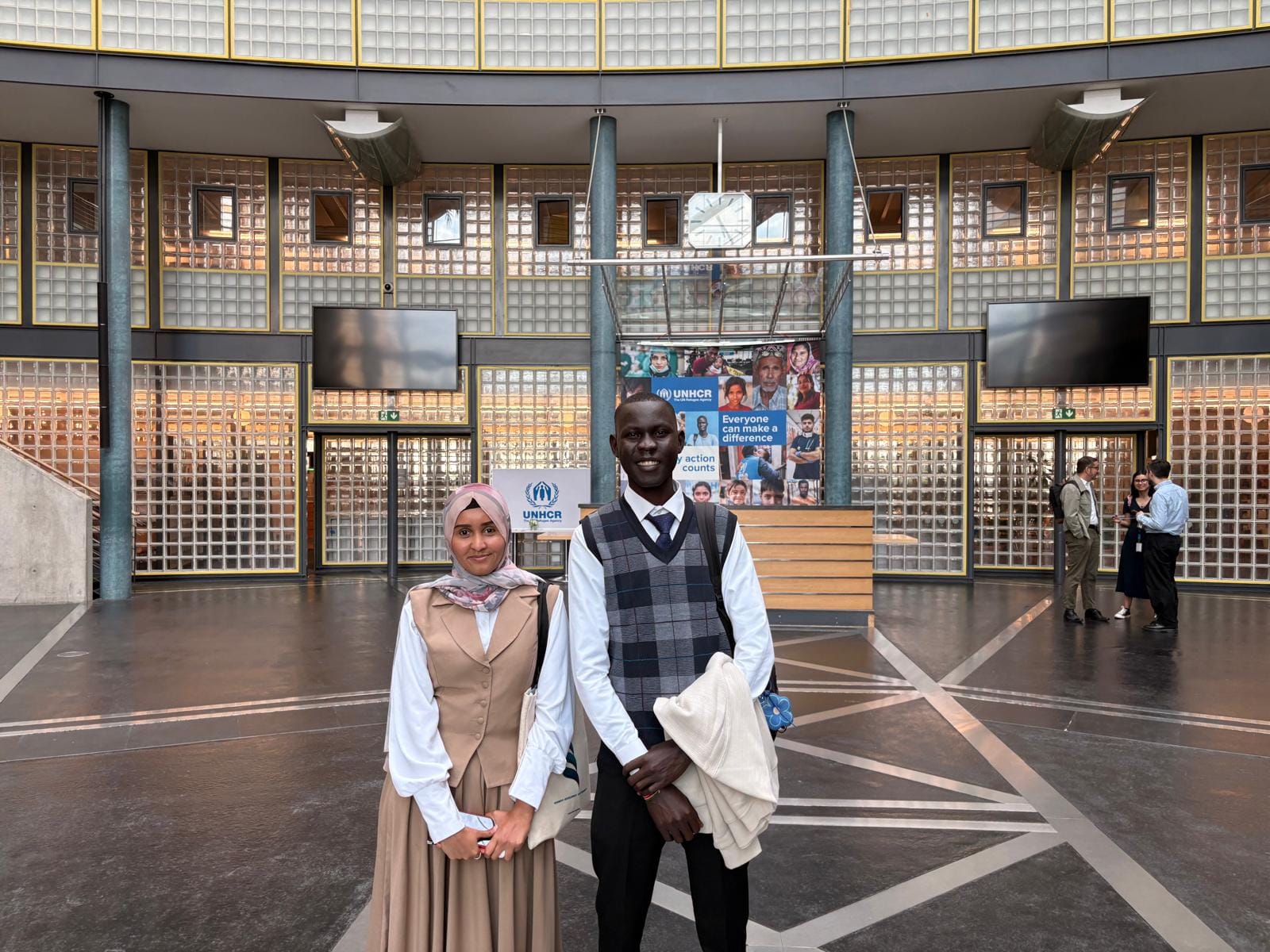
In meetings with UNHCR, I raised questions about refugee protection, self-reliance, and what happens as humanitarian services transition over time.
How will refugees continue to access essential services as systems change? How will accountability be maintained? And how can refugees keep communicating directly with the institutions responsible for their protection?
We also discussed the urgent need for machine-readable Convention Travel Documents (MRCTDs) for refugees in Ethiopia. Documentation is not simply paperwork. It can affect mobility and access to opportunities, and difficulties with travel documents can create significant barriers in people's lives.
These conversations reminded me that systems designed to protect people must also work in practice for the people who depend on them.
Financing is not the same as impact
In a meeting with the World Bank, we discussed financing, the role of government in program implementation, and how refugee perspectives can contribute to better outcomes for refugees and host communities.
I wanted to understand how programs are implemented on the ground and whether feedback from affected communities can help improve their effectiveness.
The discussion helped clarify the respective roles of financing institutions and governments. It also left me thinking about a question that matters beyond any single program: how do we ensure that resources committed to development translate into meaningful change in people's lives?
For me, sustainability cannot be measured only by the amount of money invested. We must also ask what changes, who benefits, and whether the people affected have a meaningful voice in the process.
Recognized as workers and entrepreneurs
My conversation with the ILO brought another important dimension into focus: access to work.
We discussed Shama's work on digital connectivity, online employment, gig work, entrepreneurship training, and refugee-led social enterprises.
For refugees who face barriers in traditional labor markets, digital opportunities can create alternative pathways to income and professional participation. But access to technology alone is not enough. People also need skills, reliable connectivity, access to markets, and opportunities to turn what they know into paid work.
We also discussed the importance of creating employment opportunities for both refugees and host communities. Sustainable economic inclusion must recognize the realities of both groups and create opportunities for both to take part in economic life.
The ILO shared information about an upcoming IT Park internship opportunity and its I-UPSHIFT project. We are following up with the relevant teams, and these opportunities may open useful areas for future collaboration.
For Shama, these conversations connect directly to our work: linking skills to opportunities and exploring how entrepreneurship and social enterprise can contribute to longer-term economic inclusion.
What happens next?
One of my biggest takeaways from Geneva was seeing how many different actors are open to contributing, partnering, and exploring solutions. Across the meetings, sustainability was a shared concern.
But partnership needs to go beyond good conversations. It requires follow-up, clear responsibilities, accessible systems, and a willingness to recognize the contribution that refugee-led organizations can make.
For Shama Institute, the next steps include continuing our advocacy for machine-readable CTDs, advancing work on refugee economic inclusion, and following up on opportunities in digital employment and entrepreneurship.
I returned from Geneva with new connections, questions, and areas to explore. Not every conversation produced an immediate solution, and some opportunities still require further discussion. But the meetings helped identify where collaboration may be possible and where more work is needed.
Recognition is where meaningful participation begins. Refugee-led initiatives should be recognized not only as communities in need of support, but also as partners capable of contributing knowledge, building solutions, and shaping the systems that affect their lives.
That is the kind of recognition Shama will continue working toward.